pouteria Care (Pouteria viridis)

Also known as: green sapota
pouteria

About pouteria

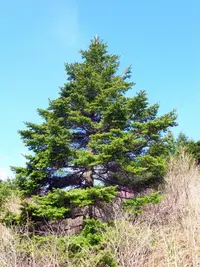
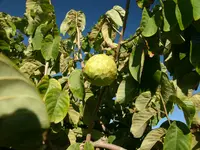
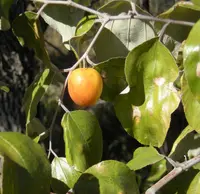
Pouteria viridis, often called green sapote, is a tropical evergreen fruit tree in the sapodilla family. It forms a dense, rounded canopy with glossy, medium to dark green leaves. Mature trees can become quite large and are usually grown outdoors in warm, frost-free climates.

This species is native to Central America and parts of Mexico, where it grows in humid, subtropical to tropical forests. The fruit is valued for its sweet, creamy flesh, which resembles that of mamey sapote. It can be moderately challenging to grow, mainly due to its need for consistent warmth, good light, and well-drained soil.

Gardeners who want to learn how to care for pouteria should focus on providing stable temperatures, protection from frost, and evenly moist but not waterlogged conditions.

Main Plant Requirements

Care Difficulty

Moderate Care

Light Preference

Full Sun

Water Requirements

Regular Water

Temperature Preference

Tropical / Frost Sensitive

Hardiness Zone

10–12

Soil Texture

Sandy, Loamy, Organic-rich

Soil pH

Acidic (5.5–6.5), Slightly acidic (6.5–7.0)

Soil Drainage

Moist but well-drained

Fertilization

Minimal (feed rarely)

Get Personalized Care Plan

Scan your plant to receive care tips personalized for your specific plant

Available on iOS and Android

How to Care for the pouteria

This tropical fruit tree needs bright, stable light to produce healthy growth and fruit.

  • Provide 6–8 hours of sun daily, with full morning sun and light afternoon shade in hot climates to reduce leaf scorch.
  • Tolerates light to medium partial shade, but heavy shade reduces flowering, fruit set, and overall vigor over time.
  • In summer, protect from intense 1–4 p.m. sun in very hot regions; in winter, maximize exposure by avoiding shading from buildings or taller trees.

This species prefers evenly moist, well-drained soil rather than cycles of drought and saturation.

  • Water when the top 3–5 cm of soil feels dry, aiming for deep soaking that reaches the root zone instead of frequent light sprinkling.
  • During hot, dry months, expect to irrigate more often, while in cooler or rainy seasons reduce watering to avoid standing water and root rot.
  • Signs of overwatering include yellowing leaves and soft new growth; dry, curling leaves and slow growth suggest Pouteria viridis is not receiving enough moisture.

This evergreen tree thrives in consistently warm, frost-free conditions typical of lowland tropics and warm subtropics.

  • Ideal growth occurs around 70–88°F (21–31°C), with stable warmth supporting flowering and fruit development.
  • Avoid temperatures below 45°F (7°C); light frost can burn foliage, and hard frost may kill young trees or unprotected branches.
  • Mature plants tolerate brief heat up to about 100°F (38°C) if soil moisture is adequate, but hot, dry winds increase stress and can cause leaf drop.

This species benefits from moderately high humidity, especially in dry climates.

  • Aim for 50–70% humidity to support steady growth and leaf health.
  • Tolerates brief dips to 30–40%, but sustained dry air can cause leaf edge browning and tip dieback.
  • Increase humidity with grouped plants, a nearby humidifier, or an evaporative tray rather than misting foliage directly.

Pouteria viridis prefers deep, well-drained, nutrient-rich soil that stays evenly moist without waterlogging.

  • Use a loamy mix with 40–50% organic matter (composted bark or compost) blended with coarse sand for structure.
  • Aim for slightly acidic to neutral pH around 6.0–7.0 to keep nutrients available and roots active.
  • Improve drainage and aeration by adding perlite or pumice so water moves through within a few seconds after watering.
  • Avoid heavy, compacted clay or mixes that stay soggy, which encourage root rot and poor root oxygenation.

This species can be grown in containers when given enough depth and stable support.

  • Choose a large, deep container to accommodate a strong taproot and reduce stress during dry spells.
  • Use a heavy, wide-based pot to keep the tall canopy stable in wind and prevent tipping.
  • Ensure drainage holes allow rapid outflow and elevate the pot so no water pools under the base after irrigation.

This tropical fruit tree benefits from modest, consistent feeding during warm-season growth.

  • Use a balanced granular or slow-release NPK fertilizer, or well-rotted compost, applied lightly around the drip line.
  • Feed outdoor Pouteria viridis every 2–3 months during the growing season, avoiding contact with the trunk.
  • Apply fertilizers at half the label strength for young or container trees to reduce salt stress.
  • Reduce or stop feeding in cool winter months when growth slows, resuming only once active growth restarts.

Thoughtful pruning keeps Pouteria viridis structurally sound and easier to manage for fruit production.

  • Carry out main pruning at the end of the dry or cool season, just before active growth resumes.
  • Remove dead, diseased, crossing, or inward-growing branches to improve airflow and light penetration.
  • Shorten overly vigorous shoots to maintain a strong central framework and stable tree height.
  • Use clean, sharp bypass pruners or a pruning saw, making smooth cuts just outside the branch collar.

This species is usually grown in the ground, so focus on careful transplanting of young trees.

  • Transplant in late spring or early summer once soil is warm and stable, avoiding extreme heat or drought.
  • Look for circling roots in nursery containers and slow, stunted growth as signs the plant is ready for a larger site.
  • Handle the root ball gently, loosen only the outer circling roots, and keep roots shaded and moist until planting.
  • Plant at the same depth as in the pot, water deeply, mulch 5–8 cm thick, and keep soil evenly moist to reduce transplant shock.

Propagation of Pouteria viridis is usually done by seed and sometimes by grafting to maintain cultivars.

  • Collect fresh, fully ripe fruits, clean seeds, and sow them promptly for best viability.
  • Germinate seeds in a warm medium at 75–85°F with consistent moisture and good drainage.
  • Provide bright, indirect light and shelter seedlings from strong sun and wind as they establish.
  • Use compatible rootstocks and clean grafting tools if grafting selected varieties for improved fruit quality or vigor.

This subtropical tree is sensitive to frost and benefits from targeted winter protection in cooler regions.

  • Avoid planting in locations that experience hard freezes; choose a warm, sheltered microclimate.
  • Mulch the root zone 5–10 cm deep, keeping mulch a few cm away from the trunk to limit rot risk.
  • Wrap young trunks with breathable horticultural fabric during cold snaps to reduce bark damage.
  • Move container plants indoors or into a heated greenhouse when temperatures approach 32°F.

Care Tips

Wind training support

In the first 2–3 years, stake young trees with a flexible tie and gradually loosen it so the trunk can move slightly in the wind, which encourages a stronger root system and sturdier main stem.


Forming a strong scaffold

Select 3–5 evenly spaced primary branches around the trunk when the tree is young and remove competing, steeply upright shoots, creating a balanced scaffold that resists limb breakage once crops become heavy.

Mulch for root stability

Apply a 5–8 cm layer of coarse organic mulch in a wide ring around the dripline, keeping it 10–15 cm away from the trunk, to stabilize soil moisture, moderate root temperature, and reduce mechanical damage from mowing equipment.

Flower and fruit thinning

On young or weak trees, remove a portion of flowers or small fruits by hand so the plant invests energy in root and canopy development instead of overbearing, which improves long‑term productivity when growing pouteria.

Preventing trunk sunscald

In hot, exposed sites, paint the lower trunk and main scaffold branches with a 1:1 mix of interior white latex paint and water to reflect excess sun and prevent bark cracking on the southwest side.

Common Pests and Diseases

Fruit borers

This pest tunnels into developing fruits, causing internal feeding damage, premature fruit drop, and contamination with frass (insect droppings). Symptoms include small entry holes, misshapen fruit, and larvae found inside when fruit is cut open.

Solution

Collect and destroy infested fruits, including fallen ones, to break the life cycle, and prune to keep the canopy open for better inspection. Use fine mesh fruit bagging or sleeves on young fruits where practical, and apply targeted Bacillus thuringiensis (Bt) or other labeled biological products to young fruit and foliage during egg-laying periods if infestations are recurring.

Scale insects

These insects attach firmly to twigs, leaves, and sometimes fruit, sucking sap and weakening the tree. Symptoms include yellowing leaves, sticky honeydew, and sooty mold growing on the sugary deposits.

Solution

Prune and discard heavily infested branches, then wash remaining foliage and stems with a strong water spray to dislodge soft scales. Follow with applications of horticultural oil, making sure to coat stems and leaf undersides thoroughly, and encourage or conserve natural predators such as lady beetles by avoiding broad-spectrum insecticides when possible.

Anthracnose

This disease causes dark, sunken spots on leaves, young shoots, flowers, and fruit, often enlarging and coalescing in humid weather. Symptoms include leaf blight, blossom blight, fruit lesions, and in severe cases dieback of young twigs.

Solution

Remove and destroy infected leaves and fruit from the tree and ground, and prune to improve airflow and reduce canopy humidity. In wet or humid regions, apply copper-based or other appropriate fungicides at the start of new flushes and before flowering, following label directions, and avoid overhead irrigation that keeps foliage wet for long periods as part of broader Pouteria viridis care.

Mites

These pests are tiny sap feeders that can cause fine stippling, bronzing, or dulling of leaves, and in heavy infestations may lead to leaf drop and reduced vigor. Symptoms include very fine webbing on young leaves and distorted new growth in hot, dry conditions.

Solution

Rinse foliage thoroughly with water, focusing on leaf undersides, to remove mites and webbing, and repeat several times at weekly intervals. In persistent cases, use insecticidal soap or a light horticultural oil applied in the early morning or late afternoon, and maintain regular irrigation and light misting of the canopy (where humidity allows) to reduce mite buildup.

Sooty mold

This disease is a secondary fungal growth that develops on honeydew excreted by sap-sucking insects like scale and mealybugs. Symptoms include black, sooty coating on leaves and fruit surfaces, which reduces photosynthesis and can affect fruit appearance and marketability.

Solution

Control the underlying honeydew-producing insects first using washing, pruning, and targeted treatments such as horticultural oil or insecticidal soap. After pest levels drop, gently wash affected leaves and fruits with water and a mild soap solution to remove fungal growth, and improve airflow and light penetration by thinning dense canopy areas.

Interesting Facts

Edible green-skin fruit

The fruit of this Central American tree has a thin green skin and yellow, avocado-like pulp that is eaten fresh or used in drinks and desserts in its native range.

Seasonally deciduous habit

Unlike many tropical fruit trees, this species can shed most or all of its leaves during a pronounced dry season, then flushes new foliage as rains return.

Late-flowering canopy tree

It develops into a tall canopy tree in lowland tropical forests and typically takes many years before first flowering and fruiting, which limits its spread beyond specialized growers.

Botan icon

Did you know?

In parts of Central America, its dense, fine-textured wood has been locally valued for small construction uses and tools, so in some areas older trees have been selectively cut for timber rather than managed primarily as a fruit crop.

FAQs about pouteria

Growth is moderate. Young trees usually add about 30–60 cm per year once established, faster in deep, fertile, consistently moist soil. Poor nutrition, cool temperatures, or drought slow extension growth and delay fruiting in this tropical species.

Grow Healthy Plants with Botan Care

Keep your plants happy and healthy with plant identification, disease detection, and easy care guidance.

Botan plant care app — identify plants on mobile

Explore More Plants