Wind-firm training
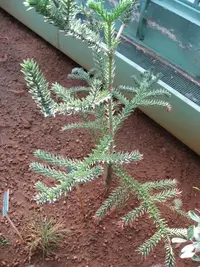
In the first 3–5 years, stake the young tree on the windward side and gradually loosen ties each season so it develops a strong, tapered trunk that resists storm damage later.

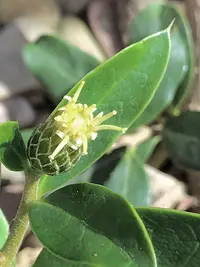
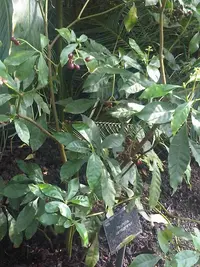
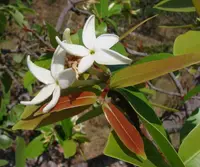
Trevo is a common name sometimes used for Archidasyphyllum diacanthoides, a broadleaf evergreen tree native to temperate rainforests of Chile and Argentina. It naturally forms a dense, rounded crown with stiff, glossy leaves and can reach substantial height in the ground. Bark and branches often show short, sharp spines, giving the tree a somewhat rugged appearance and making handling more difficult. In cultivation, it is grown mainly as an ornamental or collector’s tree in mild, frost-free climates. It prefers consistent moisture, well-drained soil, and light ranging from bright partial shade to gentle full sun, which shapes how to care for Trevo in gardens or large landscapes.

Care Difficulty
Moderate Care

Light Preference
Partial Shade

Water Requirements
Moderate Water

Temperature Preference
Warm Climate

Hardiness Zone
9–11

Soil Texture
Loamy, Silty, Organic-rich

Soil pH
Acidic (5.5–6.5), Slightly acidic (6.5–7.0)

Soil Drainage
Moist but well-drained

Fertilization
Minimal (feed rarely)
Scan your plant to receive care tips personalized for your specific plant
Available on iOS and Android
This species prefers bright, stable outdoor light with some protection from harsh midday sun.
This plant prefers evenly moist but not saturated soil, with adjustments for season and rainfall.
This species performs best in mild, frost-free climates with moderate seasonal variation.
This species handles a wide humidity range but grows best with moderately moist air.
Provide deep, well-structured soil that drains freely yet retains some moisture.
This large tree is generally not suitable for long-term container growing, except as a short-term juvenile specimen.
This slow-growing Chilean tree usually needs minimal feeding in the ground, especially in fertile soil.
Archidasyphyllum diacanthoides benefits from light structural pruning rather than heavy cutting.
This species is mainly grown in the ground and is best transplanted when young to reduce root disturbance.
Archidasyphyllum diacanthoides is usually propagated from seed and can be slow and challenging for beginners.
Established plants are reasonably cold hardy in mild to cool climates and need only modest winter attention.

Plant Health Check
Not sure what's wrong with your plant? Check your plant's health inside the app.
On older plants, the long paired spines along the stems can develop into short lateral branches, a feature that inspired the former genus name Trevo, meaning forked or branched. These spines help protect young shoots from browsing animals in its native forests of central and southern Chile.
This broadleaf tree remains evergreen yet tolerates regular winter snowfall and cold conditions in parts of the Andes and coastal ranges. Its tough, leathery leaves and dense crown reduce water loss and snow damage compared with many other evergreen shrubs and trees in the region.
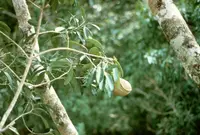
In its native range, the fleshy fruits are eaten by birds and other wildlife, which disperse the seeds through their droppings. This mutualistic relationship helps maintain forest structure and underlines the importance of Archidasyphyllum diacanthoides in local ecosystems.

Archidasyphyllum diacanthoides was long placed within the daisy family genus Dasyphyllum, and molecular studies that compared its DNA to related shrubs led botanists to move it into the separate genus Archidasyphyllum, highlighting how genetic evidence can reshape the understanding of South American forest trees.
Growth is moderate rather than fast. Young plants may add 20–40 cm per year in suitable outdoor conditions, then slow as the trunk thickens. Adequate light, deep soil, and consistent moisture strongly affect the growth rate.
Keep your plants happy and healthy with plant identification, disease detection, and easy care guidance.