Early structural training
While the plant is young, pinch back weak or crowded shoots and lightly stake the main leader so the tree develops a single, straight trunk suitable for long-term canopy formation.

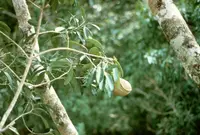
Aspidosperma desmanthum is a small to medium-sized tree from tropical South America, typically found in seasonally dry forests and savanna-type vegetation. It belongs to a group of hardwood trees valued mainly in ecological and forestry contexts rather than as common houseplants.
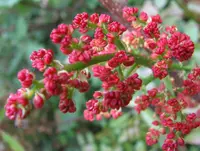
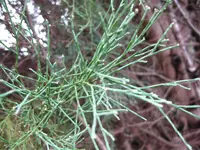
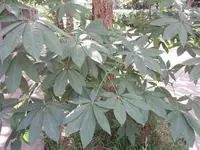
Its crown is usually narrow with simple, elongated leaves and small, inconspicuous flowers, followed by dry fruits that disperse flat seeds. Growth is relatively slow and the species expects warm temperatures and a pronounced dry season.
Because it is adapted to wild, open habitats, it can be demanding outside its native range and is rarely grown in regular gardens. Those who wish to learn how to care for Aspidosperma desmanthum should focus on well-drained, mineral-rich soil, strong light, and careful watering that avoids prolonged root wetness.

Care Difficulty
Moderate Care

Light Preference
Partial Shade

Water Requirements
Moderate Water

Temperature Preference
Warm Climate

Hardiness Zone
Unknown

Soil Texture
Loamy

Soil pH
Slightly acidic (6.5–7.0)

Soil Drainage
Well-drained

Fertilization
Minimal (feed rarely)
Scan your plant to receive care tips personalized for your specific plant
Available on iOS and Android
This species prefers bright, indirect light with some protection from harsh midday sun in most climates.
Water needs are moderate and closely tied to soil drainage and seasonal temperature.
Stable, warm conditions support reliable growth and reduce stress for this species.
This species benefits from moderately humid air but tolerates typical indoor conditions if not kept extremely dry.
Provide loose, well-drained, slightly acidic to neutral soil to support steady growth and root health.
This species can be grown in containers if the pot supports its woody root system and upright growth.
This species typically grows in nutrient-poor native soils and usually needs little or no fertilization once established.
Pruning needs for Aspidosperma desmanthum are modest and mainly corrective.
This tree is rarely kept long term in containers, so focus on careful outdoor transplanting of young plants.
Propagation of Aspidosperma desmanthum is usually done from seed rather than vegetative methods.
In frost-prone regions, young plants benefit from simple winter precautions, while mature trees tolerate brief light chills.

Plant Health Check
Not sure what's wrong with your plant? Check your plant's health inside the app.
This species naturally sheds its leaves during the dry season in its native South American habitats, functioning as a true deciduous tree within predominantly evergreen tropical forests.
The small, pale flowers are adapted for insect pollination, offering both nectar and scent cues that attract specific groups of nocturnal and crepuscular insects in its native range.
Growth is moderate for a tropical tree. Young plants usually add 20–40 cm per year under warm, stable conditions, then slow as the trunk thickens. Poor soil fertility, irregular moisture, and cool temperatures noticeably reduce annual extension growth.
Keep your plants happy and healthy with plant identification, disease detection, and easy care guidance.