Costus arabicus Care

Costus arabicus

About Costus arabicus

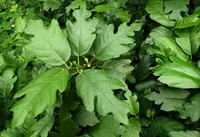
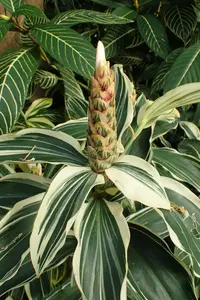
Costus arabicus is a tropical rhizomatous perennial from Central and South America, often grown as an ornamental foliage plant. It belongs to the spiral ginger group, forming upright canes with lush green leaves arranged in a graceful spiral along the stems.

In warm, humid conditions it can produce small, showy flowers from cone-like bracts, adding seasonal interest. Its main challenges are sensitivity to cold, low humidity, and prolonged dryness, which can quickly damage foliage.

For those learning how to care for Costus arabicus, it generally prefers bright filtered light, consistently moist but not waterlogged soil, and a sheltered, warm position that mimics understory rainforest conditions.

Main Plant Requirements

Care Difficulty

Moderate Care

Light Preference

Partial Shade

Water Requirements

Keep Soil Moist

Temperature Preference

Tropical / Frost Sensitive

Hardiness Zone

10–12

Soil Texture

Loamy, Organic-rich

Soil pH

Acidic (5.5–6.5), Slightly acidic (6.5–7.0)

Soil Drainage

Moist but well-drained

Fertilization

Light (every 4–6 weeks)

Get Personalized Care Plan

Scan your plant to receive care tips personalized for your specific plant

Available on iOS and Android

How to Care for the Costus arabicus

This tropical understory plant prefers bright, gentle light that mimics dappled forest shade.

  • Aim for 3–5 hours of bright, filtered light daily, such as morning sun through a sheer curtain or light under high, open shade outdoors.
  • Protect Costus arabicus from harsh midday and afternoon sun, which can cause leaf scorch, yellowing, and crispy brown patches along leaf edges.
  • In shadier spots it will survive but may grow leggy with fewer flowers; increase brightness in winter by moving it closer to windows or using supplemental diffuse light.

This species prefers consistently moist but not waterlogged soil, especially during active growth.

  • Water when the top 2–4 cm of soil feels dry, using enough water so it drains freely from the planting area or container.
  • Use a well-drained, organic-rich mix; signs of overwatering include limp, yellowing lower leaves and a sour smell from the soil.
  • In cooler months reduce frequency as growth slows; slight leaf curling and dull, dry-feeling foliage indicate the plant needs watering soon.

This tropical plant grows best in warm, stable temperatures with no exposure to frost.

  • Maintain 70–85°F (21–29°C) for strongest growth; it can tolerate short periods up to about 90°F (32°C) if soil moisture and humidity stay adequate.
  • Avoid temperatures below 55°F (13°C); growth slows under 60°F (16°C) and true frost can kill stems to the ground.
  • In regions with cool winters, treat it as a tender perennial, protecting rhizomes from freezing and resuming active care when nights stay above 60°F (16°C).

This species prefers consistently humid air and reacts quickly to dry conditions.

  • Aim for 60–80% humidity; use a room humidifier or humidity tray near the plant in heated or air-conditioned rooms.
  • Tolerates brief dips to 40–50%, but prolonged dry air causes brown leaf edges, curled tips, and slower growth.
  • Increase humidity by grouping plants, misting early in the day, and keeping Costus arabicus away from heating vents or strong drafts.

This species grows best in loose, organic-rich, steadily moist but well-drained soil.

  • Use a mix of roughly 50% peat or coco coir, 30% compost, and 20% perlite or pumice for structure and drainage.
  • Soil should be loamy, airy, and never compacted, so roots receive enough oxygen and excess water drains within a few minutes.
  • Aim for slightly acidic to neutral pH around 6.0–7.0, which supports nutrient uptake and healthy rhizome growth.
  • Avoid heavy garden clay, waterlogged sites, or pure sand, which either suffocate rhizomes or dry out too fast for Costus arabicus.

This species adapts well to container growing when the pot supports its tall, rhizomatous habit.

  • Choose a wide, moderately deep pot so rhizomes can spread horizontally without becoming crowded near the walls.
  • Use a heavy or weighted container that resists tipping as the stems gain height and foliage mass.
  • Ensure drainage holes are large and unobstructed so water exits quickly and the lower rhizomes do not sit in a saturated layer.

Healthy growth in Costus arabicus is supported by modest but consistent feeding during the warm growing season.

  • Use a balanced liquid fertilizer (around 10-10-10 or 20-20-20) diluted to 1/2 strength for container plants.
  • Feed every 4–6 weeks in spring and summer when shoots are actively elongating.
  • Pause or reduce feeding to 1 light application in late autumn if the plant slows or enters dormancy.
  • Incorporate a thin layer of compost or a slow-release fertilizer in spring for outdoor clumps.

Pruning helps maintain a tidy shape and encourages fresh canes and better flowering on Costus arabicus.

  • Carry out main pruning in late winter or early spring before strong new growth begins.
  • Remove dead, damaged, or weak stems at the base using clean, sharp pruners.
  • Thin out crowded canes to improve air movement and light penetration into the clump.
  • Cut back spent flowering stems to just above a healthy node to redirect energy to new shoots.

Container-grown Costus arabicus benefits from occasional repotting or division to prevent crowding and stress.

  • Check for roots circling the pot, pushing out of drainage holes, or declining vigor as signs it needs a larger container.
  • Plan repotting or transplanting for spring, every 2–3 years, when active growth supports quicker recovery.
  • Move the plant only 1 pot size up, using a loose, well-drained mix and keeping the rhizomes at the same depth.
  • Water thoroughly after repotting, keep in bright shade for 5–7 days, and avoid heavy fertilizer until new growth appears.

Propagation of Costus arabicus is commonly done by division or stem cuttings during warm, stable weather.

  • Divide clumps in late spring, separating rhizomes with at least 1–2 healthy shoots and replanting promptly.
  • Take 10–15 cm stem cuttings with 2–3 nodes, removing lower leaves to reduce moisture loss.
  • Place cuttings in a moist, well-drained medium at 70–80°F with high humidity and bright, indirect light.
  • Keep the medium just slightly moist and avoid waterlogging to prevent rot while roots form.

Cold sensitivity means winter care is important for Costus arabicus in regions with frost or freezing temperatures.

  • In the ground, add 5–8 cm of mulch over the root zone in late autumn to buffer temperature swings.
  • In areas below 40°F, grow in containers and move plants indoors or to a heated greenhouse before frost.
  • Provide bright, indirect light indoors and keep temperatures above 55°F, with slightly reduced watering during the cool season.

Care Tips

Rotate container regularly

Turn the pot 90° every 2–3 weeks so the shoot grows upright rather than leaning strongly toward the light, which helps keep the spiral stem evenly formed and stable.

Support tall stems

Once stems reach 45–60 cm, insert a slim stake at the edge of the pot and loosely tie the cane with soft ties to prevent wind or handling damage to the succulent stem tissue.

Refresh older canes

At the end of the warm season, remove 1–2 of the oldest, woody canes at the base to open the clump, improve air movement, and direct energy into new vigorous shoots.

Surface root protection

Add a thin layer (1–2 cm) of fine bark or coco husk chips over the soil surface to protect shallow roots from drying, but keep the mulch a small distance from the stems to reduce rot risk.

Monitor rhizome spread

When repotting, check the rhizomes and trim away any dead, mushy, or circling sections with a clean knife, which keeps the plant compact and encourages healthy new growth when growing Costus arabicus.

Common Pests and Diseases

Spiral ginger aphids

These insects feed on tender shoots and leaf undersides, causing curling, distortion, and sticky honeydew that can lead to sooty mold on Costus shoots.

Solution

Prune and discard heavily infested shoot tips, then wash remaining stems and leaves with a strong stream of water to dislodge aphids. Follow with applications of insecticidal soap or neem oil every 5–7 days until new growth appears clean, and avoid excess nitrogen fertilizer that encourages soft, aphid-prone growth.

Spider mites

This pest thrives in hot, dry conditions and causes fine stippling, yellowing, and a dull, dusty look on Costus leaves, sometimes with fine webbing between stems and foliage.

Solution

Increase humidity around the plant, then rinse leaves thoroughly (top and underside) with lukewarm water to remove mites. Repeat washes and, if needed, use insecticidal soap or horticultural oil on both sides of the leaves, ensuring good coverage and better airflow around the plant to reduce stress.

Mealybugs

These insects appear as white, cottony clusters in leaf axils, on stems, and near rhizome bases, sucking sap and weakening the plant over time.

Solution

Remove visible mealybugs with a cotton swab dipped in 70% isopropyl alcohol, and trim heavily infested stems if practical. Follow up with repeated applications of neem oil or insecticidal soap, checking leaf axils and around the base of the stems regularly until no new insects appear.

Leaf spot (fungal)

This disease causes brown to dark purple spots or blotches on Costus leaves, sometimes with yellow halos, which can coalesce and lead to premature leaf drop in humid conditions.

Solution

Remove and discard affected leaves, avoid overhead watering, and water early in the day so foliage dries quickly. Improve spacing and airflow, then apply a copper-based or chlorothalonil fungicide labeled for ornamental foliage plants if new spots continue to develop.

Bacterial soft rot

Symptoms include water-soaked, mushy areas at the base of stems or rhizomes, often with a foul odor and rapid collapse of affected canes in overly wet, warm conditions.

Solution

Cut out and discard all mushy stems and rhizome sections, sterilizing tools between cuts, and reduce watering so the soil stays moist but not saturated. Improve drainage, remove any standing water around the pot or planting area, and avoid splashing water onto stems to limit spread, which is central to reliable Costus arabicus care instructions.

Interesting Facts

Spiraled Pseudostem Structure

The leafy shoot of Costus arabicus is not a true stem but a pseudostem formed by tightly overlapping leaf sheaths that create a distinctive spiral arrangement around the central axis.

Specialized Ant Associations

In its native range, Costus arabicus supports protective ants that nest in leaf bases and feed on nectar from extra-floral nectaries, an adaptation that helps reduce herbivore damage.

Understory Shade Adaptation

This species is naturally adapted to warm, shaded tropical forest understories and shows shade-tolerant photosynthesis, performing best under filtered light rather than full sun.

Botan icon

Did you know?

Costus arabicus can spread to form dense colonies through short, creeping rhizomes, allowing it to stabilize moist soil on slopes and stream banks in tropical forests, where it often acts as a living ground cover layer beneath taller vegetation.

FAQs about Costus arabicus

Lack of blooms usually comes from insufficient maturity, low light intensity, or nutrient imbalance. Ensure a full growing season, stable warmth, and modest feeding. Avoid heavy pruning of young shoots where flower spikes normally form.

Grow Healthy Plants with Botan Care

Keep your plants happy and healthy with plant identification, disease detection, and easy care guidance.

Botan plant care app — identify plants on mobile

Explore More Plants