barrelclover Care (Medicago truncatula)

Also known as: Barrel medic, Strong-spined Medick
barrelclover

About barrelclover

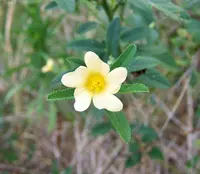
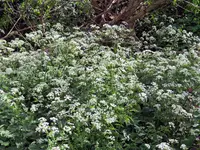
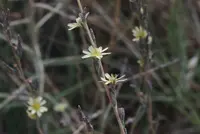
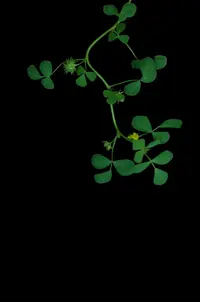
Barrelclover (Medicago truncatula) is a small, annual legume often used in research and as a forage or cover crop. It forms low, branching mounds with trifoliate leaves and small yellow flowers that mature into distinctive barrel-shaped seed pods.

The species is native to the Mediterranean region but is cultivated and naturalized in many mild-climate areas. It is valued for its ability to fix nitrogen in the soil, which improves soil fertility and makes it relatively undemanding once established.

It typically prefers full sun, well-drained soil, and moderate moisture. Gardeners who learn how to care for barrelclover usually find it straightforward to grow in suitable climates.

Main Plant Requirements

Care Difficulty

Easy Care

Light Preference

Full Sun

Water Requirements

Moderate Water

Temperature Preference

Cool Climate

Hardiness Zone

6–9

Soil Texture

Sandy, Loamy

Soil pH

Slightly acidic (6.5–7.0), Slightly alkaline (7.0–7.5)

Soil Drainage

Well-drained

Fertilization

Minimal (feed rarely)

Get Personalized Care Plan

Scan your plant to receive care tips personalized for your specific plant

Available on iOS and Android

How to Care for the barrelclover

This annual legume prefers bright, open sites to fuel fast growth and flowering.

  • Provide full sun for 6–8 hours daily; morning and midday sun support compact growth and abundant blooms in barrelclover fields.
  • Tolerates light partial shade (3–4 hours direct sun) but stems may stretch and flowering can decline when shaded by taller crops or structures.
  • Avoid prolonged, intense heat with reflected sun; in hot summers, slight afternoon shade reduces leaf scorch and moisture stress, especially on shallow, dry soils.

This species prefers evenly moist but not saturated soil, with brief dry periods between waterings.

  • In the ground, water deeply only when the top 3–5 cm of soil are dry; leaves that droop midday but recover by evening indicate mild drought stress rather than an emergency.
  • Choose well-drained, sandy or loamy soil; standing water, a sour smell, or yellowing lower leaves often signal overwatering and root stress in Medicago truncatula.
  • During cool or rainy seasons, reduce or skip irrigation; in hot, windy periods, check soil more often and water when it feels dry and crumbly rather than cool and compact.

This plant grows best in mild, temperate conditions and dislikes both hard frost and extreme heat.

  • Aim for active growth in 60–75°F (16–24°C); cool spring and fall conditions favor strong roots, nodulation, and steady foliage production.
  • Tolerates light frost down to about 28°F (-2°C) for short periods, but repeated freezes below 25°F (-4°C) can damage shoots and reduce stand density.
  • In hot regions, growth slows above 86°F (30°C); combine adequate soil moisture with slight afternoon shade and avoid reflective surfaces that raise canopy temperature.

Medicago truncatula tolerates a wide humidity range and usually does not need special humidity management.

Medicago truncatula prefers light, well-drained mineral soils that do not stay wet after rain or watering.

  • Use a sandy or sandy-loam mix with modest organic matter, such as 70% sandy topsoil and 30% compost.
  • Aim for slightly alkaline to neutral pH around 6.8–7.5, avoiding highly acidic substrates.
  • Improve drainage and aeration by blending in coarse sand or fine gravel rather than peat-heavy materials.
  • Avoid compacted, heavy clay soils or any mix that forms puddles or remains sticky for more than a few hours.

This species can be grown in containers, mainly for study or short-term display rather than long-term ornamental use.

  • Choose a wide, shallow container to match its relatively modest root depth and spreading habit.
  • Use a rigid pot material such as plastic or ceramic to keep the root zone from drying out too rapidly in sun and wind.
  • Place the container where it is protected from being knocked over, since the spreading foliage can make the pot unstable in strong wind.

Medicago truncatula typically needs modest feeding because it fixes atmospheric nitrogen through root nodules.

  • Use a light application of compost or a low-rate balanced NPK fertilizer (around 5-5-5) if soil is poor or plants look pale.
  • Feed during active spring–summer growth only, every 6–8 weeks in cropped or container situations.
  • Dilute liquid fertilizer to 1/2–1/4 strength to avoid excess nitrogen and overly lush, weak growth.
  • Avoid fertilizing in late fall and winter, as growth slows and nutrients are less effectively used.

Pruning Medicago truncatula is mainly done to maintain a compact shape and encourage healthy regrowth.

  • Trim lightly after flowering or at the end of the growing season to reduce legginess and keep plants low and dense.
  • Remove dead, damaged, or diseased stems with clean, sharp scissors or small hand pruners to limit pathogen spread.
  • Thin crowded, crossing shoots to improve air flow and light penetration, which supports healthier foliage and flowering.
  • Avoid cutting back into very old, woody bases; focus on green, actively growing stems for best recovery.

This species is more often field-grown than potted, so focus on gentle transplanting rather than frequent repotting.

  • Transplant seedlings when they have 2–3 true leaves, before roots tangle or circle the plug or cell.
  • Choose early spring or early fall, when conditions are cool and moist, to limit transplant shock and water stress.
  • Handle root systems carefully, disturbing them as little as possible; keep the existing soil plug intact around the roots.
  • Water thoroughly after planting, then keep soil evenly moist for 1–2 weeks while new roots establish in the surrounding soil.

Medicago truncatula is most commonly propagated from seeds for research, forage, or cover cropping.

  • Sow fresh or stored seed in early spring or late summer into a well-drained, fine-textured seedbed or tray mix.
  • Lightly scarify hard seed coats by rubbing between sandpaper sheets to improve and synchronize germination.
  • Keep the top 0.5–1 cm of substrate evenly moist and in bright light at 60–70°F until seedlings emerge.
  • Space or thin young plants promptly to reduce competition and encourage sturdy, branching growth.

In mild to moderately cold climates, barrelclover is fairly frost tolerant and usually needs minimal winter care.

  • In regions with freezing winters, allow top growth to die back naturally while root crowns overwinter in soil.
  • Apply a light 2–5 cm mulch over the root zone in exposed sites to moderate soil temperature swings.
  • For container plants in colder areas, move pots to a sheltered, unheated space to prevent repeated freeze–thaw of the root ball.

Care Tips

Inoculate With Rhizobia

Before sowing, coat seeds with the appropriate Sinorhizobium/Ensifer inoculant so the roots form efficient nitrogen-fixing nodules and the plants establish faster in low-fertility soils.

Use Nurse Grass

Oversow a light, temporary cover of fine turf grass around young plants to reduce erosion and competition from aggressive weeds while Medicago plants establish their own groundcover.

Controlled Grazing Or Mowing

If grown outdoors as a cover or forage, use light grazing or high-cut mowing to encourage dense, low growth and timely regrowth, avoiding close cutting that removes too much leaf area.

Monitor For Self-Seeding

Allow some seed pods to mature if you want a self-renewing stand, but remove or collect pods from edges and paths to prevent unwanted spread beyond the intended area when growing barrelclover.

Rotate Planting Sites

Change planting areas every 2–3 years in small plots to reduce buildup of soil-borne pests or diseases and to take advantage of the residual nitrogen left for subsequent crops.

Common Pests and Diseases

Pea aphids

This pest is a small, soft-bodied insect that feeds on sap from young shoots, leaves, and flower stalks, causing curling and stunted growth. Symptoms include sticky honeydew and sometimes sooty mold on infested foliage.

Solution

Rinse plants with a firm stream of water to dislodge aphids, and remove heavily infested shoot tips. For recurring outbreaks, use insecticidal soap or a ready-to-use neem oil spray, applied in the early morning or evening and repeated as needed according to label directions.

Sitona weevils

These insects are small gray-brown weevils whose adults chew notches in leaf margins, while larvae feed on root nodules and fine roots, reducing nitrogen fixation and plant vigor. Symptoms include scalloped leaves above ground and poor growth despite adequate care.

Solution

Hand-pick adult weevils in the evening when they are more active, and remove nearby legume weeds that can host them. In outdoor plantings, encourage natural predators such as ground beetles by maintaining mulch and avoiding broad-spectrum insecticides; in small containers, discarding heavily infested soil and repotting can break the life cycle.

Powdery mildew

This disease produces white, powdery fungal growth on leaves and stems, leading to yellowing and premature leaf drop in dense stands or in humid, still air. Symptoms include a dusty coating that rubs off on fingers.

Solution

Increase air movement around plants, avoid overhead watering, and promptly remove and discard heavily infected leaves. In persistent cases, apply a sulfur-based fungicide or a potassium bicarbonate product labeled for powdery mildew, following label instructions and avoiding use during very hot weather.

Downy mildew

This disease causes pale, yellow to light-green patches on upper leaf surfaces and gray-violet downy growth on the undersides, often during cool, moist conditions. Symptoms include distorted leaves and overall stunting in severe cases.

Solution

Reduce leaf wetness by watering at the soil level and spacing plants to improve airflow, and remove affected foliage to limit spore spread. For valuable outdoor plantings, apply a copper-based or phosphonate fungicide labeled for downy mildew preventively when cool, humid weather is forecast, rotating products if multiple treatments are needed.

Rhizoctonia crown and root rot

This disease is caused by soilborne fungi that attack crowns and roots, leading to reddish-brown lesions, crown constriction, wilting, and plant collapse, especially in poorly drained or compacted soils. Symptoms include patches of stunted or dead plants in beds or trays.

Solution

Use well-draining, clean potting media, avoid overwatering, and discard severely affected plants and surrounding soil to reduce inoculum. For outdoor plantings, improve drainage, avoid planting in the same spot repeatedly, and consider a labeled biological fungicide containing Trichoderma or Bacillus species as a preventive soil drench when trying to grow Medicago truncatula in disease-prone beds.

Interesting Facts

Model legume species

This small annual is the primary model plant for legume biology, widely used to study how legumes interact with microbes, fix nitrogen, and form root nodules at the genetic and molecular levels.

Fast genetic studies

It has a compact genome, short life cycle, and produces many seeds, which makes it unusually convenient for laboratory experiments and for linking specific genes to traits such as nodule formation and root architecture.

Rhizobium partnership

Its roots form highly specialized nodules with Sinorhizobium (Ensifer) bacteria, where the plant provides sugars and, in return, receives biologically fixed nitrogen that reduces the need for external nitrogen fertilizer.

Botan icon

Did you know?

This species was one of the first legumes to have its genome fully sequenced, providing a reference framework that accelerated research on crop legumes such as alfalfa, peas, and soybeans.

FAQs about barrelclover

This species is very attractive to bees and other small pollinators, especially when in full bloom. The flowers provide nectar and pollen, so it can support local pollinator populations in gardens, meadows, and trial plots.

Grow Healthy Plants with Botan Care

Keep your plants happy and healthy with plant identification, disease detection, and easy care guidance.

Botan plant care app — identify plants on mobile

Explore More Plants