Dormancy scheduling
After foliage yellows and dries, stop watering completely, move the pot to a dry, bright, cool spot, and record the date so you can reliably give the bulbs a 3–4 month dry rest each year.

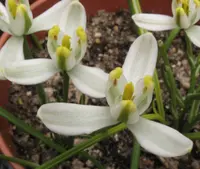
Albuca humilis is a small bulb-forming succulent from South Africa, adapted to dry, open habitats with a distinct winter-growing and summer-dormant cycle. It typically forms low rosettes of narrow, sometimes slightly curled leaves, and sends up slender flower stalks with delicate nodding blooms. The plant stays compact and is well suited to pots, windowsills, and small indoor collections, provided it receives enough light and a clear dry rest period in summer. It is valued by collectors but can be grown by patient beginners who learn how to care for Albuca humilis, especially understanding its dormancy rhythm and need for very free-draining soil.

Care Difficulty
Moderate Care

Light Preference
Full Sun

Water Requirements
Low Water

Temperature Preference
Warm Climate

Hardiness Zone
9–11

Soil Texture
Sandy, Loamy, Rocky

Soil pH
Slightly acidic (6.5–7.0), Neutral (7.0)

Soil Drainage
Well-drained

Fertilization
Minimal (feed rarely)
Scan your plant to receive care tips personalized for your specific plant
Available on iOS and Android
This small South African bulb prefers bright sun with some protection during the hottest hours.
This drought-tolerant bulb needs careful, seasonal watering that matches its growth cycle.
This species prefers mild, dry conditions and dislikes both hard frost and extreme heat with wet soil.
This bulbous succulent tolerates a wide humidity range and rarely needs special adjustment indoors.
Albuca humilis prefers very fast-draining, sandy soil that mimics arid habitats.
This small geophyte is well suited to container growing for precise control of drainage and watering.
This small South African bulb grows well with light, seasonal feeding rather than heavy fertilization.
Pruning needs are minimal and focus on keeping the bulb clean and disease free.
This compact bulb prefers slightly snug pots and infrequent disturbance.
New plants are produced mainly by seed and occasionally by offsets forming around mature bulbs.
This bulb is not very frost tolerant and benefits from dry, cool winter rest in many climates.

Plant Health Check
Not sure what's wrong with your plant? Check your plant's health inside the app.
This species is a true winter-grower from the winter-rainfall regions of South Africa, producing leaves and flowers during the cool, wet season and going completely dormant in the hot, dry summer months.
In the wild, it is typically found on exposed sandstone or rocky slopes near the South African coast, where its small bulbs anchor in shallow crevices with very fast-draining, often nutrient-poor soils.
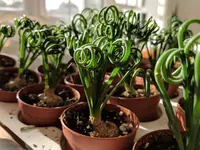
Its narrow, linear leaves may form gentle spirals or slight twists under high light and dry air, a growth pattern that is much less pronounced than in related species like Albuca spiralis but still distinctive on close inspection.

The species was first described in 1897 by the German botanist Rudolf Schlechter from material collected in the Western Cape, and its epithet humilis refers to its low, modest stature compared with other Albuca species.
Yellowing often appears when the bulb is entering dormancy after the growing or flowering season, which is normal. Persistent yellow leaves outside dormancy usually indicate overwatering, poor drainage, or exhausted potting mix that needs refreshing and better aeration.
Keep your plants happy and healthy with plant identification, disease detection, and easy care guidance.