Mark Dormant Clumps
After foliage dies back, place small, durable labels where each clump grows so you avoid disturbing the bulbs when digging or replanting nearby perennials in summer and fall.

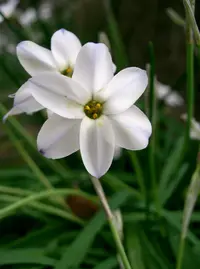
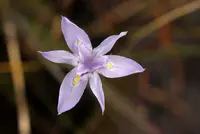
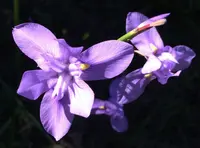
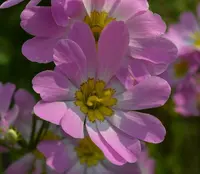
Spring starflower, Ipheion uniflorum, is a small bulbous perennial grown mainly for its early spring star-shaped flowers. It forms low clumps of narrow, grass-like foliage with blooms in pale blue, white, or soft violet tones.
This plant is native to open, grassy areas of Argentina and Uruguay, where it experiences mild, bright winters and drier summers. It naturalizes easily in suitable climates, spreading slowly to form carpets.
Spring starflower is generally easy to grow, which suits beginner gardeners who want to learn how to care for spring starflower without complex routines. It prefers well-drained soil, moderate moisture, and a spot with good light for reliable flowering.

Care Difficulty
Easy Care

Light Preference
Full Sun

Water Requirements
Low Water

Temperature Preference
Cold Hardy

Hardiness Zone
5–9

Soil Texture
Sandy, Loamy, Organic-rich

Soil pH
Slightly acidic (6.5–7.0), Neutral (7.0)

Soil Drainage
Well-drained

Fertilization
Minimal (feed rarely)
Scan your plant to receive care tips personalized for your specific plant
Available on iOS and Android
This small bulb prefers bright outdoor exposure with cool, gentle sun during its growing season.
This bulb prefers evenly moist, well-drained soil only during its active growing period.
This hardy bulb thrives in cool to mild climates with distinct seasonal temperature changes.
Humidity is rarely a concern for spring starflower, which handles typical outdoor levels well.
Ipheion uniflorum prefers loose, well-aerated soil that drains quickly yet does not dry out instantly.
This species is well suited to container growing outdoors on patios, balconies, or doorstep displays.
Ipheion uniflorum needs only light feeding to maintain healthy flowering and foliage.
Ipheion uniflorum requires minimal pruning, mainly to keep clumps tidy and healthy.
This small bulb is usually grown in the ground, with transplanting only needed every few years to manage crowding.
Ipheion uniflorum is most commonly propagated by bulb division, with seeds used less often.
In most temperate climates, Ipheion uniflorum is cold hardy and needs very little winter care.

Plant Health Check
Not sure what's wrong with your plant? Check your plant's health inside the app.
The flowers have six pointed tepals that form a regular star, and under magnification the veins on each tepal show a distinct bluish line that helps separate this species from similar small spring bulbs.
When the narrow leaves are crushed, they release a clear onion- or garlic-like smell, reflecting the plant’s close relationship to members of the onion family (Amaryllidaceae, formerly placed in Alliaceae).
This species spreads slowly by both seed and small bulb offsets, allowing it to form long-lived, low spring carpets in lawns and borders where mowing is delayed until the foliage has died back.

The species is native to grasslands of Uruguay and Argentina and has been widely naturalized in gardens across temperate regions, leading some floras to treat it as an established part of the spring bulb flora in places far from its original range.
Lack of blooms often comes from too little sun, overcrowded bulbs, or depleted nutrients. Ensure full or partial sun, divide congested clumps every few years, and apply a light, balanced bulb fertilizer right after flowering each spring.
Keep your plants happy and healthy with plant identification, disease detection, and easy care guidance.