Moraea stricta Care

About Moraea stricta

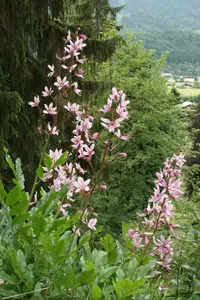
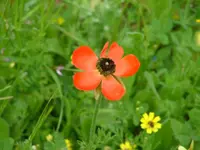
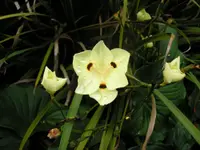
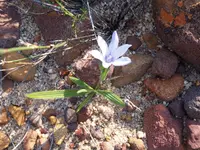
Moraea stricta is a small corm-forming perennial from the iris family, producing slender leaves and delicate, short-lived flowers on thin, upright stems. Its blooms often appear in cool seasons, giving brief but striking displays in suitable climates.

This species is native to South Africa, where it grows in open, often rocky or grassy habitats with seasonal rainfall. It suits growers who enjoy bulbs and corms that follow a distinct rest and growth cycle.

Moraea stricta generally prefers bright light, well-drained gritty or sandy soil, and careful watering that avoids prolonged wet conditions around the corm. Understanding this cycle is central to successful care for Moraea stricta.

Main Plant Requirements

Care Difficulty

Moderate Care

Light Preference

Full Sun

Water Requirements

Moderate Water

Temperature Preference

Warm Climate

Hardiness Zone

9–11

Soil Texture

Sandy, Loamy, Organic-rich

Soil pH

Slightly acidic (6.5–7.0), Neutral (7.0)

Soil Drainage

Well-drained

Fertilization

Minimal (feed rarely)

Get Personalized Care Plan

Scan your plant to receive care tips personalized for your specific plant

Available on iOS and Android

How to Care for the Moraea stricta

This bulb prefers bright, open light similar to a sunny meadow habitat.

  • Provide 6–8 hours of direct sun in cool or mild climates; in hotter regions, give full morning sun with light afternoon shade to prevent scorching.
  • Moraea stricta tolerates light, shifting shade for part of the day, but flowering is best when it receives at least 4–5 hours of unfiltered sun.
  • In winter-dormant periods, full exposure is acceptable, while in late spring–summer, monitor for leaf tip burn as a sign of excessive heat or reflected sun.

This species needs a clear wet–dry rhythm that matches its bulb and seasonal growth cycle.

  • During active growth, water when the top 3–5 cm of soil feel dry, then soak thoroughly so water drains out quickly, avoiding puddling around the bulbs.
  • Ensure sharply drained, gritty soil; persistent moisture, a swampy smell, or yellowing, soft leaves indicate overwatering and potential bulb rot.
  • In summer dormancy, reduce watering to very light, infrequent sips or keep soil almost dry, watching for shriveling bulbs or collapsed foliage as signs of past drought stress.

This plant grows best in mild, Mediterranean-type conditions with cool, wet winters and drier, warm summers.

  • Active growth is strongest around 55–70°F (13–21°C), with stable cool nights that support healthy leaf and flower development.
  • The bulbs tolerate brief dips near 28–30°F (-2–-1°C) if soil is well drained, but repeated hard frosts below 25°F (-4°C) can damage or kill them.
  • In hot spells above 90°F (32°C), growth may stall; provide air circulation and avoid heat-reflecting surfaces, especially while foliage is still green and active.

This species tolerates typical indoor humidity but performs best in slightly dry air.

  • Aim for 30–50% humidity, similar to most heated or air‑conditioned homes.
  • Dry tips or folding, papery foliage can signal prolonged exposure to very humid, stagnant air.
  • Provide strong air movement with a fan and avoid placing pots near humidifiers or steamy kitchens.

Moraea stricta grows best in sharply drained, mineral-lean soil that mimics its native rocky habitats.

  • Use a mix of roughly 50–60% coarse sand or grit, 20–30% loam, and 10–20% compost for modest nutrients.
  • Ensure very fast drainage; water should exit the pot within seconds rather than pooling on the surface.
  • Target a slightly acidic to neutral pH around 6.0–7.0 to support nutrient uptake without stressing the corms.
  • Avoid heavy clay, peat-heavy blends, or compacted ground that stay wet, and incorporate extra grit to improve aeration.

This species is suitable for container growing when the pot and medium are set up to drain very quickly.

  • Choose a tall, relatively narrow pot so corms sit deep with at least 10–15 cm of free root space below the drainage holes.
  • Select unglazed terracotta to increase evaporation from the sides and reduce the risk of corm rot after watering.
  • Raise the container on pot feet or bricks so drainage holes never sit in a saucer of retained water.

This bulb benefits from modest feeding during active growth but resents heavy fertilization.

  • Use a balanced, low-strength liquid fertilizer (around 10-10-10) at 1/2–1/4 label strength for Moraea stricta in spring and early summer.
  • Apply every 3–4 weeks while leaves are green and the plant is actively growing.
  • Stop feeding once foliage begins to yellow and the plant enters dormancy.
  • Avoid rich compost or frequent slow-release pellets, which can cause soft, weak growth and rot-prone bulbs.

Pruning needs are minimal and focus on hygiene rather than shaping.

  • In late spring or early summer, cut back only dead or yellowing leaves at their base once they have fully dried.
  • Remove damaged or diseased foliage promptly with clean, sharp scissors to limit pathogen spread.
  • Avoid cutting green, healthy leaves, as this reduces photosynthesis and weakens flowering.
  • Do not attempt to shape Moraea stricta; its natural growth habit and flowering are best left intact.

This bulb prefers to remain undisturbed and is usually transplanted only when necessary.

  • Check containers every 3–4 years; congested clumps, roots emerging from drainage holes, or reduced flowering indicate it is time to move or divide.
  • Transplant or repot in late summer to early fall, after the foliage has died back and bulbs are dormant.
  • Lift bulbs gently, keep the tunic (outer skin) intact, and replant at the same depth in sharply drained soil to limit root stress.
  • Water lightly after replanting, then allow the soil to dry between waterings while new roots establish.

Propagation is commonly done from bulbs and seeds, though plants from seed take longer to flower.

  • Divide offsets from the main bulb in late summer or early fall when the plant is fully dormant.
  • Replant divisions into very well-drained soil, spacing them so bulbs do not touch, and water sparingly until growth resumes.
  • Sow fresh seeds in fall in a gritty, free-draining mix, keeping temperatures around 55–65°F for gradual germination.
  • Maintain consistent, light moisture for seeds, but avoid waterlogging, which leads to rot and poor Moraea stricta plant care outcomes.

This species is not fully hardy in colder climates and benefits from thoughtful winter preparation.

  • In regions colder than USDA zone 8, lift bulbs in fall after foliage dies and store them dry, cool, and frost-free.
  • In mild climates, apply a 5–8 cm layer of dry mulch over the planting area to insulate the bulbs.
  • For container plants in cooler areas, move pots into a sheltered, frost-free space with bright light and minimal watering.

Care Tips

Summer dry rest

After flowering, reduce irrigation sharply and keep corms almost dry for 8–10 weeks to mimic the natural dry summer dormancy and improve next season’s bloom quality.

Corm lifting schedule

In regions with wet or very cold winters, lift corms once foliage yellows, dry them in a shaded, airy place for 7–10 days, then store them in labeled paper bags with a little dry vermiculite at 50–59°F.

Staggered planting

Plant corms in 2–3 small batches spaced 2 weeks apart at the start of the growing season to extend the overall flowering window and reduce the risk of losing all blooms to a single bad weather event.

Targeted pest scouting

Inspect the narrow leaves and flower stems every 7–10 days during active growth for aphids and thrips, and rinse or spot-treat early infestations before they weaken the corms.

Pot rotation strategy

If using containers, grow Moraea stricta in removable nursery pots set inside decorative cachepots so pots can be rotated easily for uniform growth and moved under cover quickly during heavy rain or unexpected frost.

Common Pests and Diseases

Bulb mites

These pests feed on damaged or stressed corms, leading to poor sprouting, stunted growth, and rotting tissue in Moraea stricta. Symptoms include soft, discolored corms and weak or distorted new shoots.

Solution

Discard severely infested corms, and for mild cases, trim out soft tissue and allow corms to dry in a warm, airy place for several days before replanting. Store replacement corms in clean, dry substrate, and use fresh, well-drained potting mix; a hot-water soak of dormant corms at 114–118°F for 30–40 minutes, followed by thorough drying, can reduce mite populations without chemical treatment.

Iris borer-type larvae

These insects are caterpillar-like larvae that tunnel into Moraea corms and basal stems, causing sudden yellowing or collapse of the foliage. This damage often invites secondary fungal infections and can wipe out small clumps.

Solution

Lift and inspect corms if foliage yellows or collapses unexpectedly, cutting away tunnels and any soft, brown tissue, then dusting cuts lightly with sulfur or another dry fungicide. Destroy affected plant debris, avoid replanting into heavily infested soil, and use fine mesh or fleece over emerging foliage in spring to reduce egg-laying by adult moths in outdoor plantings.

Fusarium corm rot

This disease attacks corm tissue, causing reddish-brown discoloration, dry or slightly soft rot, and failure of corms to sprout or produce healthy foliage. Symptoms include stunted plants, yellowing leaves, and corms with a dry ring or patch of brown tissue when cut open.

Solution

Remove and destroy all affected corms and any obviously discolored offsets, and avoid reusing contaminated soil or pots. Plant only firm, clean corms into sterile, very well-drained mix, avoid overwatering during dormancy, and rotate storage or planting locations so the same soil does not receive Moraea stricta year after year.

Botrytis leaf and flower blight

This disease thrives in cool, humid conditions and affects leaves and flowers, causing tan to brown spots, collapsed petals, and sometimes gray, fuzzy mold on dying tissue. Symptoms include premature flower drop and general decline in ornamental quality.

Solution

Promptly remove and discard affected leaves and spent flowers, and improve air movement by spacing pots and avoiding overhead watering. Keep foliage dry when possible, water early in the day, and in high-risk climates consider a preventative application of a labeled ornamental fungicide at bud emergence according to product directions for growing Moraea stricta.

Interesting Facts

Cape winter grower

Moraea stricta is native to the winter-rainfall regions of South Africa’s Western Cape and naturally grows during the cool, wet season, then becomes dormant in the hot, dry summer.

Slender iris-like flowers

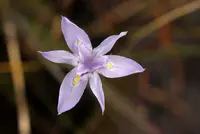
The species produces narrow, iris-like blue to violet flowers on tall, thin stems, with each bloom typically lasting only a short time but appearing in succession over the flowering season.

Corm-based survival strategy

It survives seasonal drought using an underground corm, a swollen stem base that stores water and nutrients, allowing the plant to resprout reliably each winter.

FAQs about Moraea stricta

Lack of flowering usually comes from insufficient dormancy, overcrowded corms, or inadequate light in the growing season. Allow a dry rest, avoid heavy feeding with high nitrogen, and divide congested clumps every few years to restore blooms.

Grow Healthy Plants with Botan Care

Keep your plants happy and healthy with plant identification, disease detection, and easy care guidance.

Botan plant care app — identify plants on mobile

Explore More Plants