Lift And Divide
Every 3–4 years, lift the corms in late summer dormancy, discard any soft or shriveled ones, and replant only the firm, healthy corms at the recommended depth to keep flowering strong and prevent overcrowding.

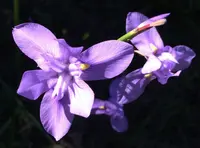
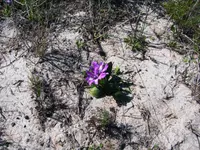
Blue-tulip, Moraea polystachya, is a small cormous perennial from the iris family that produces slender stems topped with delicate, starry violet-blue flowers. Its blooms appear in succession, giving a light, airy look rather than a solid mass of color. In nature it grows in open, sunny habitats of South Africa, where soils are generally well drained and seasons are marked by distinct wet and dry periods.
The plant has a rest phase when its foliage dies back, which means it needs a clear dry dormancy and can be lost if kept constantly wet. Gardeners who learn how to care for blue-tulip often find it rewarding but not completely beginner-proof.

Care Difficulty
Moderate Care

Light Preference
Full Sun

Water Requirements
Moderate Water

Temperature Preference
Warm Climate

Hardiness Zone
8–10

Soil Texture
Sandy, Loamy, Organic-rich

Soil pH
Slightly acidic (6.5–7.0), Neutral (7.0)

Soil Drainage
Well-drained

Fertilization
Minimal (feed rarely)
Scan your plant to receive care tips personalized for your specific plant
Available on iOS and Android
Moraea polystachya prefers bright, open conditions that mimic a sunny, Mediterranean-type climate.
This bulbous plant prefers a distinct wet-dry rhythm that follows its natural winter-growing cycle.
This species thrives in mild, Mediterranean-type climates with cool, moist winters and warm, dry summers.
Moraea polystachya handles a wide humidity range but prefers moderately dry air.
This species needs light, fast-draining soil to protect the corms from rot.
This species is well suited to container growing outdoors in mild climates.
Moraea polystachya benefits from modest, targeted feeding during its active growing season.
Moraea polystachya needs only light pruning to stay tidy and flower well.
This bulbous species prefers minimal disturbance, so repotting or transplanting should be infrequent and carefully timed.
Moraea polystachya is commonly propagated by bulb division and, less often, by seed.
Winter care depends strongly on local climate, as this species dislikes hard freezing.

Plant Health Check
Not sure what's wrong with your plant? Check your plant's health inside the app.
This species often flowers in late summer to autumn and can rebloom for several consecutive years from the same underground corm, provided it experiences a dry rest period in winter.
In its native South African habitats, flowering is closely linked to seasonal rainfall, with the plant responding to moisture and cooler temperatures by sending up slender stems topped with multiple purple-blue blooms.
Each star-like flower typically lasts only a day or two, but the branched stems bear many buds, so the plant can stay in bloom for several weeks during its active season.

In parts of South Africa, this species often appears as a spontaneous garden volunteer because its corms and seeds persist quietly in the soil seed bank and re-emerge when soil disturbance and favorable seasonal rains coincide.
Lack of flowering usually comes from insufficient winter dormancy, bulbs planted too shallow, or nutrient depletion after several seasons. Allow a cool, dry rest, avoid disturbing the bulbs, and feed lightly with a low-nitrogen bulb fertilizer after growth starts.
Keep your plants happy and healthy with plant identification, disease detection, and easy care guidance.