Mediterranean tapeweed Care (Posidonia oceanica)

Also known as: Neptune Grass, Species code: Po
Mediterranean tapeweed

About Mediterranean tapeweed

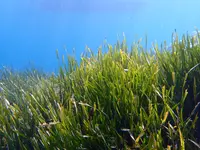
Mediterranean tapeweed, Posidonia oceanica, is a marine flowering plant that forms dense underwater meadows in clear, shallow coastal waters. It is not a typical aquarium or pond plant but a true seagrass adapted to life fully submerged in seawater.

Its ribbon-like leaves grow in thick clumps from creeping rhizomes, creating stable, long-lived beds that can persist for centuries. These meadows provide habitat, stabilize sediment, and improve water clarity.

Because it requires strong light, clean saline water, and stable substrates, it is difficult to maintain outside its natural Mediterranean habitat. Only advanced marine setups should attempt to care for Mediterranean tapeweed.

Main Plant Requirements

Care Difficulty

Hard Care

Light Preference

Full Sun

Water Requirements

Aquatic

Temperature Preference

Cool Climate

Hardiness Zone

Unknown

Soil Texture

Sandy, Silty, Organic-rich

Soil pH

Neutral (7.0), Slightly alkaline (7.0–7.5)

Soil Drainage

Waterlogged tolerant

Fertilization

Minimal (feed rarely)

Get Personalized Care Plan

Scan your plant to receive care tips personalized for your specific plant

Available on iOS and Android

How to Care for the Mediterranean tapeweed

This marine seagrass needs strong natural light in shallow, clear water for healthy growth.

  • Provide full sun for 8–12 hours daily in water shallower than 20–30 ft so light reaches the leaves effectively.
  • Mediterranean tapeweed tolerates slight turbidity or partial shade, but dense shade or deeper, cloudy water leads to elongated, weak shoots and reduced meadow density.
  • Avoid sudden shading from docks or boats; in winter at higher latitudes, reduced daylength slows growth, so preserving the clearest possible water is critical.

This species is fully aquatic and depends on stable, clean, well-oxygenated seawater rather than soil moisture control.

  • Maintain consistent submersion in saline water with marine-level salinity; any exposure of rhizomes to air or freshwater pulses stresses the plant.
  • Ensure gentle, continuous water movement so leaves stay clean of silt; heavy sediment deposition smothers shoots and rhizomes.
  • Signs of stress similar to overwatering in terrestrial plants include yellowing, slimy or decaying leaves when organic pollution, stagnation, or low oxygen levels are present around Posidonia oceanica meadows.

This seagrass thrives in mild, stable seawater temperatures and reacts poorly to extremes.

  • Optimal growth occurs around 59–77°F (15–25°C), matching typical surface conditions in its native Mediterranean range.
  • Short exposures down to about 46–50°F (8–10°C) are tolerated, but prolonged cold or near-freezing events slow metabolism and can cause shoot loss.
  • Heat above 82–86°F (28–30°C), especially when combined with low water movement, increases stress, encourages disease, and may lead to meadow decline over warm seasons.

This marine seagrass demands fully submerged, water-saturated conditions rather than air humidity control.

This species grows rooted in submerged coastal sand, so the substrate must stay loose, mineral, and well-aerated under water.

  • Use clean, coarse marine sand with some fine gravel to provide stable yet permeable rooting conditions for Posidonia oceanica.
  • Aim for mildly alkaline conditions, typically pH 7.5–8.5, matching natural Mediterranean coastal seawater chemistry.
  • Avoid silty, muddy, or compacted substrates that trap anaerobic zones and encourage root rot under low-oxygen conditions.
  • In artificial setups, keep substrate depth around 10–20 cm to anchor rhizomes while still allowing water flow through the sand layer.

This seagrass is not suitable for conventional container growing, as it requires stable marine conditions in open seabeds rather than pots.

Posidonia oceanica is a marine seagrass that generally does not need additional fertilization in a balanced, low-pollution aquarium or restoration setting.

  • If nutrients are clearly deficient, use a very weak, balanced NPK aquatic fertilizer at 1⁄4 strength, guided by water testing.
  • Apply only during active growth in warmer months, then stop in winter or dormancy periods.
  • Avoid slow-release granules directly in marine sand; they can create local toxicity and algae blooms.
  • Rely mainly on stable bioload, moderate fish waste, and natural sediment nutrients when caring for Mediterranean tapeweed.

Pruning Posidonia oceanica is minimal and mainly relates to managing dead or detached leaves in controlled systems.

  • Carry out light pruning at the end of the main growing season or after storm damage in restoration sites.
  • Remove only dead, decaying, or severely damaged blades; leave healthy shoots to maintain photosynthesis and habitat structure.
  • Use sharp, clean scissors or knives to cut above the rhizome, avoiding injury to buried horizontal stems.
  • Limited pruning maintains water flow around leaves but heavy cutting weakens the meadow and slows recovery.

This seagrass is almost never repotted and is instead transplanted carefully in marine restoration or specialized aquaria.

  • Transplant when plants show crowded rhizomes, shading each other heavily, or when growth declines due to exhausted substrate patches.
  • Best timing is late spring to early summer, when water temperatures are stable and new root growth is strong.
  • Plan on infrequent moves, typically many years apart, because each transplant stresses the rhizome network.
  • To reduce root stress, lift whole rhizome sections with attached sediment, keep them submerged in seawater, and replant at the original depth and orientation.

Posidonia oceanica is rarely propagated by hobbyists and is usually handled only in scientific or conservation projects.

  • Most propagation relies on vegetative division of rhizomes rather than seeds, which germinate poorly in captivity.
  • The best season is late spring to early summer, when plants actively extend rhizomes and establish roots.
  • Select healthy shoots with firm, green leaves and intact rhizome segments carrying multiple root bundles.
  • Replant divisions into clean marine sand at the same depth, stabilize with pins or mesh, and maintain stable salinity, light, and low-sediment movement for rooting.

In native Mediterranean waters, this seagrass tolerates typical winter conditions and usually needs no special care outdoors.

  • In outdoor marine systems, ensure water temperature stays within the species’ tolerated range, avoiding prolonged exposure to very cold spells.
  • For tanks in cooler climates, use a reliable heater and monitor temperature with a calibrated thermometer.
  • Indoor marine displays mainly need consistent salinity, gentle water movement, and stable light during winter months.

Care Tips

Anchor Securely

Use biodegradable sandbags or stone-filled mesh bags to pin rhizomes and young shoots to the seabed so the plant can root before wave and current action dislodges them.

Stabilize Substrate

Before planting, level shifting sand and, if needed, add a 3–5 cm layer of coarser material or shell grit to reduce scouring around the rhizomes and help the meadow establish.

Plan Patch Layout

Install planting units in staggered clusters rather than straight rows, spacing them 30–50 cm apart to reduce erosion between plants and promote faster lateral meadow expansion.

Monitor Epiphytes

Inspect leaves regularly for heavy algal or invertebrate growth and, in small restoration plots, gently remove excess epiphytes by hand to maintain light penetration to the leaf surface.

Record Site Conditions

Log water depth, clarity, temperature, and current strength through the year, then use these records to adjust future planting times and locations for more reliable success when growing Mediterranean tapeweed.

Common Pests and Diseases

Wasting disease

This disease causes large necrotic (dead) patches on leaves, leading to thinning meadows and reduced shoot density. Symptoms include brown or black lesions that start on older leaves and can extend toward the base.

Solution

Management focuses on improving environmental conditions rather than direct treatment: limit physical disturbance, reduce nutrient and pollution inputs, and avoid anchoring or dredging near meadows so remaining healthy shoots can recover and recolonize affected areas.

Fungal leaf spots

This disease creates localized brown, dark, or translucent spots on blades, sometimes surrounded by a yellow halo. Symptoms include premature leaf breakage and increased leaf fragility under wave action.

Solution

To manage, minimize organic pollution and sediment loading, avoid mechanical damage during research or restoration activities, and remove heavily damaged leaves during scientific sampling so that remaining tissue can maintain photosynthesis and support rhizome reserves.

Epiphytic algal overgrowth

This condition occurs when filamentous or crust-forming algae heavily colonize leaf surfaces, reducing light reaching the plant. Symptoms include a fuzzy or encrusted coating that can change leaf color from green to brownish or reddish tones.

Solution

Reducing nutrient enrichment and turbidity is key so natural grazers can control algal biomass; establishing or protecting herbivorous fish and invertebrate populations helps keep algal cover low and supports growing Mediterranean tapeweed in healthier, clearer water.

Boring polychaete damage

These invertebrates tunnel into rhizomes and roots, weakening structural support and reducing nutrient storage. Symptoms include fragile rhizomes that snap easily, localized decay, and increased meadow erosion in disturbed areas.

Solution

To limit damage, reduce stressors that predispose plants to infestation, such as sediment disturbance, anchoring, and coastal construction, and prioritize protection of intact, dense meadows where healthy plants and sediments are more resistant to boring activity.

Interesting Facts

Ancient underwater meadows

This Mediterranean seagrass forms dense underwater meadows that can persist for thousands of years, building thick layers of dead rhizomes and leaves known as matte, which stabilize coastal sediments.

Powerful carbon sink

Its meadows trap and store large amounts of organic carbon within the matte and surrounding sediments, making them important blue carbon ecosystems that help reduce CO₂ in coastal waters.

Foundation of biodiversity

The leaf canopy, rhizomes, and accumulated matte provide habitat, nursery areas, and shelter for many Mediterranean fish, invertebrates, and algae, greatly increasing local biodiversity.

Botan icon

Did you know?

Some meadows of this species have been dated to be several thousand years old, making them among the longest-living clonal organisms known in the marine environment.

FAQs about Mediterranean tapeweed

Growth is relatively slow for a seagrass. Horizontal rhizomes may extend only a few cm per year, forming dense meadows over decades rather than seasons. Growth rate depends strongly on light levels, water clarity, nutrients, and disturbance.

Grow Healthy Plants with Botan Care

Keep your plants happy and healthy with plant identification, disease detection, and easy care guidance.

Botan plant care app — identify plants on mobile

Explore More Plants