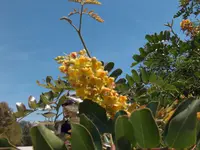
Acropogon bullatus Care

Acropogon bullatus

About Acropogon bullatus

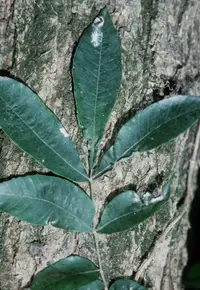
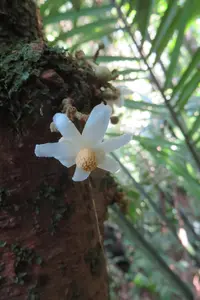
Acropogon bullatus is a lesser-known small tree or large shrub from New Caledonia, valued mainly by collectors and botanical gardens. It typically has textured, bullate leaves that give the foliage a crinkled, sculpted look and create a dense, ornamental canopy.

In its native habitat, it grows in warm, humid forest conditions, often with good air movement and consistent moisture. It can be slow to establish and is somewhat sensitive to cold and water stress, which makes how to care for Acropogon bullatus slightly more demanding than many common houseplants.

Given the right protected, frost-free environment, it responds well to bright filtered light, evenly moist but well-drained soil, and stable conditions without sudden environmental changes.

Main Plant Requirements

Care Difficulty

Moderate Care

Light Preference

Partial Shade

Water Requirements

Moderate Water

Temperature Preference

Warm Climate

Hardiness Zone

Unknown

Soil Texture

Loamy, Sandy, Organic-rich

Soil pH

Acidic (5.5–6.5), Slightly acidic (6.5–7.0)

Soil Drainage

Moist but well-drained

Fertilization

Minimal (feed rarely)

Get Personalized Care Plan

Scan your plant to receive care tips personalized for your specific plant

Available on iOS and Android

How to Care for the Acropogon bullatus

This species prefers bright, mild sun that mimics an open forest edge.

  • Provide 4–6 hours of morning sun with light shade or dappled light from midday onward to protect the foliage.
  • Allow light to medium partial shade; growth becomes sparser and flowering may decrease if daily light falls below about 3–4 hours.
  • In hot summers, shield Acropogon bullatus from harsh afternoon sun to prevent leaf scorch, especially during heatwaves.

This shrub prefers consistently moist but not saturated soil.

  • Water when the top 3–5 cm of soil feels dry, aiming for even moisture around the root zone rather than deep drying cycles.
  • Use well-drained soil or a sloped site so excess water runs off; persistent puddling or a sour smell indicates overwatering and root stress.
  • In cooler months, reduce watering as growth slows, watching for drooping, curling leaves or dry, brittle tips as signs of underwatering.

Stable mild to warm conditions suit this species best.

  • Aim for 65–80°F (18–27°C) during active growth, which supports steady leaf and shoot development.
  • Protect from cold below 40°F (4°C); light frost can damage young tissues, and repeated freezes may kill stems or the whole plant.
  • During heat above 90°F (32°C), increase shade and soil moisture, as prolonged extreme heat combines with strong sun to cause leaf scorch and stress.

This species prefers moderate to high humidity and reacts if air stays very dry.

  • Aim for 50–70% humidity, with consistent levels more important than brief fluctuations.
  • Tolerates short periods around 40%, but leaf edges may brown or curl and growth may slow under prolonged dry air.
  • Increase humidity with a nearby water tray, grouping plants, or a room humidifier rather than misting leaves directly.

This shrub prefers deep, well-drained, moisture-retentive soil with plenty of organic matter.

  • Use a loamy mix combining roughly 50% composted organic matter, 30% garden soil, and 20% coarse sand or fine grit for structure and drainage.
  • Soil should drain freely within a few minutes after watering yet stay evenly moist, never waterlogged or compacted.
  • Aim for slightly acidic to neutral pH, around 6.0–7.0, avoiding highly alkaline or saline conditions that restrict nutrient uptake.
  • Improve aeration by incorporating coarse sand, fine bark, or perlite through the top 15–20 cm where roots actively grow.

This species can be grown in large containers if the pot supports its size and moisture needs.

  • Choose a deep, heavy container that resists tipping as the shrub gains height and canopy mass.
  • Select a pot material with moderate moisture retention, such as thick-walled terracotta or glazed ceramic, to buffer rapid drying.
  • Ensure multiple wide drainage holes so excess water exits quickly and does not pool around the woody root base.

This species grows in relatively poor soils and usually needs only light feeding in cultivation.

  • Use a balanced, slow-release fertilizer or well-rotted compost mixed into the topsoil at the start of spring.
  • Feed container-grown Acropogon bullatus every 6–8 weeks during active growth with a balanced liquid fertilizer diluted to 1/2 strength.
  • Skip or greatly reduce feeding in winter or any cool dormant period to prevent soft, weak growth.
  • Always water before and after applying fertilizer to limit root burn and improve nutrient uptake.

Pruning is mainly used to maintain structure and remove weak growth rather than to control size strongly.

  • Carry out light pruning in late winter or early spring before vigorous new growth begins.
  • Remove dead, diseased, or crossing branches first to improve airflow and reduce disease risk.
  • Thin crowded interior shoots to open the canopy and maintain a balanced, natural outline.
  • Use clean, sharp bypass pruners or loppers, making angled cuts just above healthy buds or branch collars.

This plant is more often grown in the ground, but young container plants or nursery stock may need careful transplanting.

  • Plan major transplanting for early spring or early autumn, when temperatures are mild and soil moisture is reliable.
  • Look for signs such as roots circling the pot, water running off quickly, or slowed growth as cues for shifting to a larger container or planting site.
  • Move up only 1–2 pot sizes or into a hole twice the root ball width, keeping the root flare at soil level.
  • Handle the root ball gently, loosening only the outer roots, then water deeply and shade temporarily to reduce stress.

Propagation of Acropogon bullatus is usually done by seed and semi-ripe cuttings in controlled conditions.

  • Collect ripe seed and sow in a free-draining, slightly acidic mix, keeping temperatures around 68–75°F and moisture even.
  • Take semi-ripe stem cuttings in late spring to summer, using 8–12 cm pieces with several nodes.
  • Dip cut ends in rooting hormone, then place in a humid, warm environment with bright, indirect light.
  • Maintain consistent moisture without waterlogging to support root formation over several weeks or months.

This species prefers mild, frost-free climates and benefits from some winter protection in colder regions.

  • In areas near freezing, apply a 5–8 cm mulch layer around the root zone, keeping it slightly away from the trunk.
  • Shelter young plants from cold winds using windbreaks or planting near a protected wall.
  • Move container plants indoors or into a cool greenhouse before temperatures drop below 40°F.

Care Tips

Shelter From Wind

Site plants where taller shrubs, walls, or windbreak fencing reduce strong, drying winds that can shred the large, bullate leaves and increase water loss.

Early Structural Staking

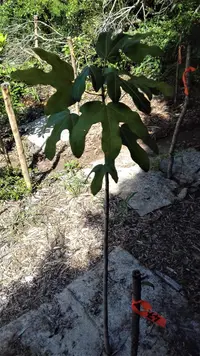
Install 2–3 sturdy stakes and soft ties when the plant is still juvenile to guide a single main framework and prevent wind rock at the root collar as the shrub gains height.

Mulch Root Zone

Maintain a 5–8 cm ring of bark or wood chip mulch over the root zone, keeping it 5 cm away from the stem, to buffer soil temperature and reduce surface drying without encouraging rot at the base.

Seasonal Hardening Off

If plants are container-grown, gradually acclimate them to cooler outdoor conditions over 10–14 days in autumn so new growth toughens and is less likely to be damaged by the first cold snaps when growing Acropogon bullatus.

Preventive Pest Monitoring

Inspect the undersides of leaves and young shoots every 1–2 weeks during active growth and remove any early aphid or scale colonies with a strong water spray or horticultural soap before populations build up.

Common Pests and Diseases

Scale insects

These insects attach to young stems and leaf veins, sucking sap and causing yellowing, reduced growth, and sticky honeydew on foliage. Symptoms include sooty mold growth on the honeydew and a general decline in vigor.

Solution

Prune heavily infested twigs, then wipe remaining colonies with cotton pads dipped in isopropyl alcohol or insecticidal soap. For larger specimens, apply a horticultural oil spray to thoroughly coat stems and leaf undersides, repeating every 7–14 days until no new scale is seen.

Myrtle rust

This disease causes small yellow spots on young leaves and shoots that develop into bright yellow to orange pustules which release powdery spores. Symptoms include leaf distortion, premature leaf drop, and dieback of new growth.

Solution

Remove and dispose of affected leaves and shoot tips promptly, and avoid overhead watering to keep foliage dry. Improve spacing and airflow around plants, and in regions where the disease is present, consider preventive fungicide sprays labeled for myrtle rust at the first sign of spotting on new growth.

Leaf spot

This disease produces irregular brown or dark purple spots on older leaves, sometimes with yellow halos. Symptoms include gradual thinning of the canopy as damaged leaves yellow and fall prematurely.

Solution

Trim off the most affected leaves and any dead twigs, and discard them rather than composting. Reduce leaf wetness by watering at soil level, increase airflow, and if spotting continues, use a copper-based fungicide according to label directions during warm, humid periods.

Stem canker

This disease causes sunken, discolored lesions on woody stems and branches, often at previous pruning cuts or injury sites. Symptoms include wilting or dieback of shoots above the cankered area and poor overall growth.

Solution

Cut out affected stems at least 10–15 cm below visible damage into healthy wood, disinfecting pruning tools between cuts with alcohol or a bleach solution. After pruning, keep the plant well watered but not waterlogged and avoid mechanical injury to bark so new cankers are less likely to develop.

Interesting Facts

New Caledonia endemic

This species occurs naturally only in New Caledonia, where it is part of the highly distinctive flora that evolved on the archipelago’s ancient ultramafic and other specialized substrates.

Bullate leaf surface

The leaves have a strongly blistered (bullate) texture between the veins, which increases surface sculpturing and may influence how water and light interact with the leaf.

Mallow family member

This tree belongs to Malvaceae, the mallow family, and shares family traits such as alternate leaves and a distinctive floral structure, although its overall appearance is quite different from common ornamentals in the group.

FAQs about Acropogon bullatus

Growth is moderate. In suitable outdoor conditions, this shrub or small tree typically adds 20–40 cm of height per year. Young plants establish slowly at first, then speed up once roots are well developed and soil moisture is consistent.

Grow Healthy Plants with Botan Care

Keep your plants happy and healthy with plant identification, disease detection, and easy care guidance.

Botan plant care app — identify plants on mobile

Explore More Plants