


Wind exposure hardening
In the first 1–2 years, gradually expose young plants to stronger wind by removing temporary windbreaks over several weeks so stems and roots strengthen without being rocked loose in storms.

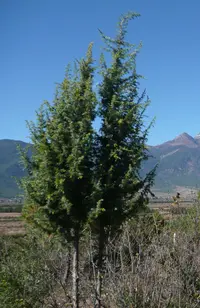
Formosan juniper, Juniperus formosana, is an evergreen conifer that typically grows as a dense shrub or small tree with fine, scale-like foliage. Its branching habit can be irregular and picturesque, making it useful for shaping, bonsai, or as a structural landscape plant.
This species is native to Taiwan and nearby regions in East Asia, where it grows on slopes and rocky areas. It is generally tough and wind tolerant, but slow growth and sensitivity to poor drainage can make it less forgiving for beginners.
In cultivation, it prefers full sun, well-drained soil, and modest moisture. Understanding these basic needs makes it easier to care for Formosan Juniper successfully over the long term.

Care Difficulty
Moderate Care

Light Preference
Full Sun

Water Requirements
Low Water

Temperature Preference
Cold Hardy

Hardiness Zone
6–9

Soil Texture
Sandy, Loamy, Rocky

Soil pH
Acidic (5.5–6.5), Slightly acidic (6.5–7.0)

Soil Drainage
Well-drained

Fertilization
Minimal (feed rarely)
Scan your plant to receive care tips personalized for your specific plant
Available on iOS and Android
This species prefers bright outdoor conditions with strong light for dense, healthy foliage.
Juniperus formosana prefers dry to moderately moist soil and is sensitive to standing water.
This juniper is a hardy outdoor shrub that tolerates a broad range of temperatures once established.
This species tolerates a wide humidity range and rarely needs special humidity management indoors or outdoors.
Juniperus formosana prefers mineral, sharply drained soil that prevents prolonged root wetness.
This juniper is suitable for long-term container growing when given a stable, well-drained setup.
This juniper prefers lean conditions, so use fertilizer sparingly and focus on steady, moderate growth.
Pruning helps maintain structure and health without forcing heavy regrowth on Juniperus formosana.
This species is usually grown in the ground, so focus on careful transplanting and minimal root disturbance.
Propagation of Juniperus formosana is typically done from semi-hardwood cuttings rather than seed in home settings.
This juniper is generally cold hardy in suitable climates and often needs only minimal winter attention.

Plant Health Check
Not sure what's wrong with your plant? Check your plant's health inside the app.
This species is native to Taiwan, where it grows on sunny, rocky slopes and ridges from low hills up into montane areas, often helping stabilize shallow, erosion‑prone soils.
In the wild it ranges from a low, sprawling shrub to a small tree with a single trunk, and horticulturists use this natural variability to train it into bonsai, windbreaks, or clipped hedges.
Young shoots often carry sharp, needle-like juvenile leaves, while mature branches bear scale-like adult foliage, so a single plant can show both leaf forms at the same time.

In parts of East Asia, this species has a long history in classical bonsai and penjing, where its naturally twisted trunks and fine branching structure are valued for creating miniature landscapes that resemble wind-sculpted coastal cliffs.
This species has a slow to moderate growth rate, usually adding around 10–20 cm per year under good conditions. Growth is slower in poor soil, exposed windy sites, or when newly transplanted and establishing roots.
Keep your plants happy and healthy with plant identification, disease detection, and easy care guidance.


myrobalan
Terminalia bellirica
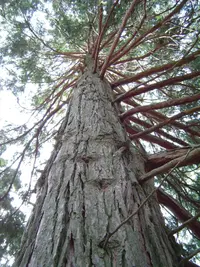
California Incense-cedar
Calocedrus decurrens
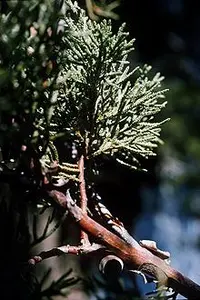
Alligator Juniper
Juniperus deppeana
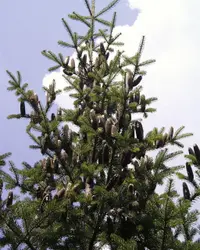
Balsam Fir
Abies balsamea

Blue Rug Juniper
Juniperus horizontalis 'Wiltonii'

East African doum palm
Hyphaene compressa
Hinoki Cypress
Chamaecyparis obtusa 'Nana Gracilis'
Horned Gardenia
Gardenia cornuta