sand sagebrush Care (Artemisia filifolia)

sand sagebrush

About sand sagebrush

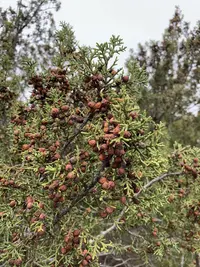
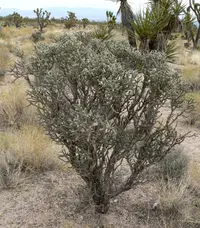
Sand sagebrush, Artemisia filifolia, is a woody shrub native to dry prairies and sandy plains of central and western North America. It is a key species in many semi-arid ecosystems.

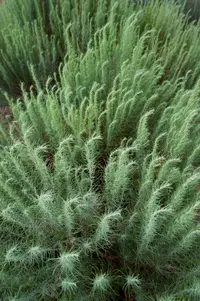
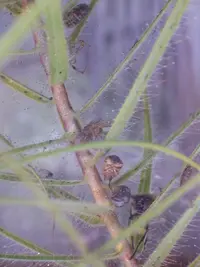
The plant forms loose, airy mounds with many slender branches and fine, thread-like gray-green leaves that give it a soft, feathery look. Mature plants often develop a rounded, open habit that tolerates strong wind and intense sun.

Artemisia filifolia is adapted to drought, poor sandy soils, and high light, which makes it relatively easy to grow if kept dry and well-drained. Those conditions guide how to care for sand sagebrush in gardens or restoration plantings.

Main Plant Requirements

Care Difficulty

Easy Care

Light Preference

Full Sun

Water Requirements

Low Water

Temperature Preference

Cold Hardy

Hardiness Zone

4–9

Soil Texture

Sandy, Loamy, Rocky

Soil pH

Neutral (7.0), Slightly alkaline (7.0–7.5)

Soil Drainage

Well-drained

Fertilization

Minimal (feed rarely)

Get Personalized Care Plan

Scan your plant to receive care tips personalized for your specific plant

Available on iOS and Android

How to Care for the sand sagebrush

This species thrives in open, bright conditions that mimic its native plains and desert edges.

  • Provide full sun for 6–10 hours daily; sand sagebrush develops its best form and aroma in unobstructed light.
  • Plant where it receives strong morning to midafternoon sun; light dappled shade after 3–4 p.m. is acceptable in very hot regions.
  • In too much shade, stems stretch and thin; in extremely reflected heat, foliage may scorch, so allow some distance from south-facing walls or pavement.

Artemisia filifolia is highly drought tolerant and prefers infrequent, deep watering over light, frequent applications.

  • Allow the top 5–8 cm of soil to dry completely before watering; in the ground, this often means long dry intervals once established.
  • Use fast-draining, sandy or gravelly soil so water does not pool; prolonged soggy conditions cause root rot and gray, collapsing stems.
  • In summer drought, a slow, deep soak only when foliage dulls or lower leaves crisp is sufficient; reduce or stop supplemental water in cool or rainy seasons.

This shrub is adapted to wide temperature swings typical of semi-arid and prairie climates.

  • Optimal active growth occurs around 65–85°F (18–29°C), though it continues to perform well in slightly cooler or hotter periods.
  • Mature plants tolerate winter lows near -20°F (-29°C) with dry soil; brief colder snaps are usually survived in well-drained sites.
  • In summer, it handles heat above 95°F (35°C) if soil stays dry to slightly dry; avoid humid, poorly ventilated spots that trap hot, stagnant air.

Humidity is rarely a concern for Artemisia filifolia, which is adapted to very dry air.

Artemisia filifolia thrives in very fast-draining, lean soils that mimic sandy prairie or desert conditions.

  • Use a sandy or gritty mix, such as 60–70% coarse sand or grit blended with 30–40% standard potting mix.
  • Ensure sharp drainage so water never pools; raised beds or mounded planting areas help excess water run off.
  • Aim for neutral to slightly alkaline pH around 6.8–8.0, avoiding highly acidic conditions that can weaken roots.
  • Do not add heavy compost or peat in large amounts, as dense organic matter reduces aeration and promotes root rot.

This species can grow in containers if the setup prioritizes drainage and root aeration.

  • Choose a deep, heavy pot to balance the woody, spreading top growth and prevent tipping in strong wind.
  • Use a very gritty mix in outdoor pots, and elevate the container on feet so drainage holes never sit in standing water.
  • Select unglazed clay if possible, as its porous walls allow faster moisture loss that suits this drought-adapted shrub.

This drought-adapted shrub needs only light feeding, so focus on maintaining lean, well-drained soil for sand sagebrush.

  • Apply a small amount of balanced slow-release fertilizer (around 10-10-10) in early spring if growth appears weak.
  • Use compost sparingly as a surface dressing; avoid rich, high-nitrogen inputs that encourage floppy, weak stems.
  • Feed at most once per growing season; skip fertilization for plants already thriving in native, sandy soils.
  • Do not fertilize in fall or winter, and always err on the side of weaker doses than the label recommends.

Pruning Artemisia filifolia is mainly done to maintain shape and remove damaged growth rather than to control size aggressively.

  • Schedule light pruning for late winter or very early spring before new growth starts.
  • Cut out dead, broken, or crossing stems with clean, sharp bypass pruners to reduce disease risk.
  • Thin crowded interior branches to improve airflow while keeping the plant’s natural, airy form.
  • Avoid cutting back into old, woody stems that lack green buds, as these may not resprout.

Transplanting Artemisia filifolia is done infrequently, since it prefers to stay undisturbed once established.

  • Look for signs such as roots circling the pot, water running straight through, or noticeably slowed growth in containers.
  • Plan any transplanting for early spring or very early fall, allowing cooler temperatures and moisture to support root recovery.
  • Expect to transplant only every few years in containers; in the ground, move plants only when truly necessary.
  • Reduce stress by watering deeply the day before, handling the root ball gently, and planting into loose, sharply drained soil at the same depth.

New Artemisia filifolia plants are most often produced from semi-ripe cuttings or seed under suitable conditions.

  • Take semi-ripe stem cuttings in late spring to summer, using non-flowering shoots 8–10 cm long.
  • Remove lower leaves, dip the base in rooting hormone, and place cuttings in a very sandy, well-drained mix under bright, indirect light.
  • Keep the medium just barely moist and provide mild bottom warmth (around 70°F) to encourage rooting.
  • Sow seeds in late fall or very early spring on the surface of sandy soil, only lightly covering to allow light exposure.

Artemisia filifolia is generally cold hardy and needs minimal winter care in most temperate regions.

  • Tolerates substantial frost once established, especially in dry, well-drained soils.
  • Apply a light, gritty mulch around the root zone in late fall in colder climates, avoiding mulch piled against stems.
  • Keep container plants in an unheated but sheltered spot or move them indoors to a bright, cool place to prevent root freezing.

Care Tips

Site preparation

Before planting, strip away turf and cultivate a wide, shallow area 30–60 cm across so the root zone is loose and stone-free, which helps this deep-rooted shrub establish quickly in sandy or gravelly soils.

Establishment watering taper

In the first growing season, water lightly but regularly, then deliberately extend the interval between waterings over 2–3 months so the roots are trained to seek deeper moisture and the plant becomes long-term drought tolerant.

Wind exposure use

Place plants where they receive good air movement, as consistent wind reduces fungal issues, strengthens stems, and mimics the open-prairie conditions this species is adapted to.

Minimal mulch strategy

If mulch is needed for weed control, use a very thin layer (0.5–1 cm) of coarse gravel or decomposed granite around, not against, the crown so the base stays dry and well aerated.

Companion spacing

When growing sand sagebrush in mixed dry borders, leave at least 45–60 cm of open space around each plant to reduce competition, maintain good airflow, and keep the fine foliage from being shaded or crowded by more vigorous neighbors.

Common Pests and Diseases

Artemisia leaf miner

This pest creates winding, pale tunnels inside leaves that can cause cosmetic damage and premature leaf drop in stressed plants. Symptoms include thin, serpentine trails and blotchy patches on the narrow foliage.

Solution

Remove and dispose of heavily mined shoots to break the life cycle, and encourage natural predators by avoiding broad-spectrum insecticides. For persistent issues on young plantings, spot-treat new growth with a horticultural oil or spinosad product, applied according to label directions during active larval periods.

Aphids

These insects cluster on soft new growth and stems, sucking sap and sometimes causing leaf curling, yellowing, and sticky honeydew deposits. On sand sagebrush, infestations typically occur on tender spring growth or irrigated landscape plants rather than wild, drought-stressed specimens.

Solution

Spray affected stems with a firm stream of water to dislodge colonies, repeating every few days as needed. If populations remain high, use insecticidal soap or a light horticultural oil, applied in the early morning or evening to avoid leaf scorch, and reduce excess fertilization that encourages lush, aphid-prone growth.

Powdery mildew

This disease produces a white to gray powdery coating on leaves and young stems, most often when plants grow in humid, shaded, or overcrowded conditions that differ from their native dry habitats. Symptoms include dulled foliage color and, in heavier infections, distorted or stunted new growth.

Solution

Improve air circulation and sun exposure by thinning nearby plants and avoiding overhead irrigation, especially late in the day. Prune out and dispose of heavily infected stems, and if needed apply a sulfur-based or potassium bicarbonate fungicide labeled for powdery mildew at the first signs of infection, following label instructions carefully.

Rust

This disease appears as small orange to brown pustules on the undersides of leaves, sometimes accompanied by yellowing on the upper surface. Symptoms include early leaf drop on stressed or densely planted shrubs, particularly where humidity remains high around the foliage.

Solution

Remove and discard affected leaves and any heavily infected stems to reduce spore levels, and avoid wetting the foliage during irrigation. Increase spacing and airflow around plants; for recurring problems, use a labeled rust fungicide on new growth early in the season, rotating products if treatments are repeated.

Spider mites

These pests thrive on sand sagebrush in hot, dry, dusty conditions, causing fine stippling, bronzing, and a dull, dry appearance to the foliage. Symptoms include very fine webbing on branch tips and leaf clusters when populations are high.

Solution

Rinse foliage thoroughly with water to remove dust and knock back mite numbers, focusing on the undersides of leaves and interior branches. In persistent cases, apply a horticultural oil or insecticidal soap labeled for mites, and reduce plant stress by avoiding unnecessary pruning or overfertilizing, which both can increase susceptibility.

Interesting Facts

Sand‑anchoring shrub

This shrub’s deep, fibrous root system is highly specialized for stabilizing loose, shifting sand in Great Plains dune fields, making it a key structural species in many dune and sand‑sage prairie ecosystems.

Semi‑evergreen desert foliage

In much of its range, sand sagebrush holds its fine, threadlike leaves through winter rather than dropping them completely, which helps it continue photosynthesis during mild cold periods and provides year‑round cover for wildlife.

Wildlife habitat cornerstone

Sand sagebrush forms low, open thickets that offer critical nesting and protective cover for species such as lesser prairie‑chicken and numerous small mammals and reptiles, especially in landscapes where taller shrubs and trees are scarce.

Botan icon

Did you know?

In parts of the southern Great Plains, extensive shrublands dominated by this single species are recognized as a distinct plant community called sand sagebrush prairie, considered one of the characteristic ecosystems of active and stabilized sand dune regions.

FAQs about sand sagebrush

Lack of flowers usually comes from too much water, rich fertilizer, or shade. This species needs lean, well-drained soil, abundant light, and minimal feeding. Avoid heavy pruning in late spring, which can remove developing flower buds.

Grow Healthy Plants with Botan Care

Keep your plants happy and healthy with plant identification, disease detection, and easy care guidance.

Botan plant care app — identify plants on mobile

Explore More Plants