Sucker Management
Inspect the base each spring and remove unwanted root suckers with clean, sharp pruners at soil level to prevent the shrub from spreading beyond its intended space.

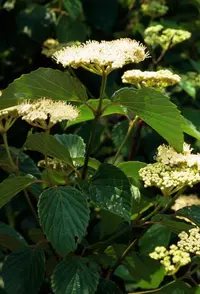
Arrowwood viburnum (Viburnum dentatum) is a hardy, deciduous shrub valued for its dense branching and upright, rounded shape. It fits well in mixed borders, hedges, and naturalized areas.
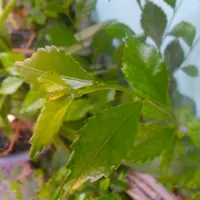
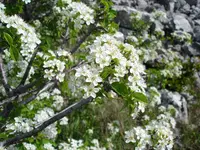
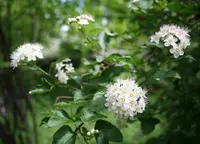
Plants typically have glossy, toothed leaves, flat clusters of white spring flowers, and blue-black berries that attract birds. Stems often form straight, wand-like shoots, which give the plant its common name.
This species is native to eastern North America, where it grows in woodlands, thickets, and along streams. It adapts well to many garden soils, which makes it relatively easy to care for arrowwood viburnum.
It generally prefers sun to light shade and evenly moist, well-drained soil, but it tolerates urban conditions and a range of moisture levels once established.

Care Difficulty
Easy Care

Light Preference
Full Sun

Water Requirements
Moderate Water

Temperature Preference
Cold Hardy

Hardiness Zone
3–8

Soil Texture
Sandy, Loamy, Clay

Soil pH
Acidic (5.5–6.5), Slightly acidic (6.5–7.0)

Soil Drainage
Moist but well-drained

Fertilization
Minimal (feed rarely)
Scan your plant to receive care tips personalized for your specific plant
Available on iOS and Android
This deciduous shrub prefers consistent outdoor light for dense growth and flowering.
This shrub prefers evenly moist but not saturated soil once established in the landscape.
This hardy shrub tolerates a wide range of outdoor temperatures across many temperate climates.
This shrub tolerates a wide humidity range and usually needs no special humidity management outdoors.
Viburnum dentatum prefers moderately moist, well-structured ground that stays aerated and drains steadily.
This species can be grown in large outdoor containers but needs careful management of root space and stability.
This native shrub needs only modest feeding, especially when planted in decent garden soil.
Pruning helps maintain structure and flowering performance in Viburnum dentatum.
This shrub is usually grown in the ground, so guidance focuses on transplanting rather than container repotting.
Viburnum dentatum is commonly propagated by cuttings and sometimes by layering or seed.
This species is cold hardy in much of North America and typically needs minimal winter care outdoors.

Plant Health Check
Not sure what's wrong with your plant? Check your plant's health inside the app.
The leaves of Viburnum dentatum have distinctly toothed margins, which inspired the species name dentatum, meaning toothed in Latin and help distinguish it from many other viburnums with smoother leaf edges.
Its dense branching and persistent fruit clusters offer shelter and food to many bird species, including cardinals and bluebirds, making it an important component of native hedgerows and thickets in eastern North America.
This species shows strong tolerance to air pollution, compacted soils, and roadside conditions, which is why it is often recommended for Viburnum dentatum care in urban and suburban landscapes.

Viburnum dentatum naturally hybridizes with closely related native viburnums, such as Viburnum rafinesqueanum, forming fertile hybrids that can make field identification challenging for botanists in regions where their ranges overlap.
This shrub expands gradually from the base, forming a broad clump over time but not running by underground rhizomes. It self-seeds a little where birds drop fruit, yet is generally manageable in typical garden settings.
Keep your plants happy and healthy with plant identification, disease detection, and easy care guidance.