Arillastrum Care (Arillastrum gummiferum)

Arillastrum

About Arillastrum

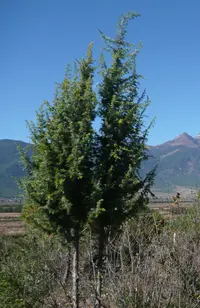
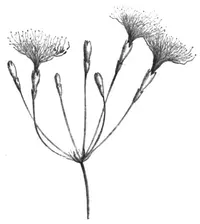
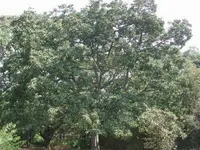
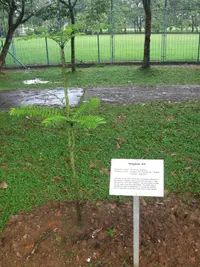
Arillastrum gummiferum is an evergreen tree from New Caledonia, known for its dense crown, smooth bark, and glossy, leathery leaves. In nature it can become a large canopy tree with a strong central trunk.

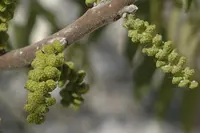
This species belongs to the myrtle family and produces small white flowers followed by woody fruits. Its slow growth, deep root system, and eventual size make it more suitable for spacious outdoor sites than for containers.

Gardeners who care for Arillastrum should note that it prefers mild, frost-free climates, well-drained soil, and consistent but not excessive moisture. It is generally considered a tough, long-lived tree once established, but sensitive to poor drainage and hard freezes.

Main Plant Requirements

Care Difficulty

Moderate Care

Light Preference

Full Sun

Water Requirements

Moderate Water

Temperature Preference

Warm Climate

Hardiness Zone

10–11

Soil Texture

Sandy, Loamy, Organic-rich

Soil pH

Acidic (5.5–6.5), Slightly acidic (6.5–7.0)

Soil Drainage

Well-drained

Fertilization

Minimal (feed rarely)

Get Personalized Care Plan

Scan your plant to receive care tips personalized for your specific plant

Available on iOS and Android

How to Care for the Arillastrum

This species prefers high light in warm, frost-free climates but benefits from some daily shade.

  • Provide 6–8 hours of sun with at least 3–4 hours of gentle morning sun and dappled or light shade in the afternoon.
  • Tolerates light to partial shade, but very dense shade leads to slower growth, sparse branching, and thinner canopy.
  • In hot inland sites, protect from harsh sun between 12–4 pm to reduce leaf scorch and moisture stress, especially on young Arillastrum trees.

This tree prefers evenly moist, well-drained soil and becomes more drought-tolerant as it matures.

  • Water when the top 4–6 cm of soil has dried, applying a deep soak that moistens the root zone rather than frequent light sprinkles.
  • In cool or rainy seasons, extend intervals between waterings and check that excess water drains freely to avoid root rot and sour smells.
  • Watch for leaf yellowing and soft new growth as signs of overwatering, and dull, curling, or browning leaf edges as typical underwatering symptoms in Arillastrum gummiferum.

This species is best suited to mild, frost-free climates with warm summers and cool, not cold, winters.

  • Ideal growing temperatures are around 65–80°F (18–27°C), supporting steady shoot growth and good canopy development.
  • Mature trees may tolerate brief drops to about 28–30°F (-2 to -1°C), but young plants are damaged near freezing and should be protected from frost.
  • Handles dry heat up to about 90–95°F (32–35°C) if soil moisture is adequate, but prolonged extremes above this can cause leaf scorch and stress.

This species prefers moderately humid air but usually copes with typical outdoor conditions in mild climates.

  • Aim for ambient humidity around 40–60% where possible, especially for young plants or those in sheltered sites.
  • Expect leaf-tip browning and marginal scorch in very dry, hot winds, which indicate humidity stress combined with moisture loss.
  • Increase local humidity by wind protection, mulching the root zone, and ensuring consistent soil moisture rather than misting foliage.

Arillastrum gummiferum grows best in deep, well-structured, free-draining mineral soil.

  • Use a sandy or sandy-loam texture with some organic matter to retain moisture without becoming waterlogged.
  • Target a slightly acidic to neutral pH around 6.0–7.0, avoiding strongly alkaline or saline sites that restrict nutrient uptake.
  • For planting mixes, combine roughly 60–70% sandy topsoil with 20–30% compost and 10–20% coarse material such as grit or pine bark fines.
  • Improve aeration and drainage on heavier soils by raising the planting area, incorporating coarse sand or fine gravel, and avoiding compacted ground.

This tree species is only conditionally suitable for long-term container growing, usually staying in pots for juvenile stages or space-limited sites.

  • Choose a heavy, stable container (e.g., thick-walled clay or concrete) to prevent tipping as the tree becomes tall and top-heavy.
  • Use a deep pot to accommodate a developing root system, keeping the root collar slightly above the substrate to avoid chronic stem wetting.
  • Ensure abundant drainage holes and a very free-draining mix so excess irrigation water exits rapidly, preventing root decline in large, slow-drying containers.

This slow-growing New Caledonian tree usually manages in poor soils, but light feeding can support container-grown or stressed Arillastrum gummiferum.

  • Use a balanced, slow-release fertilizer (such as 10-10-10) or well-aged compost in early spring.
  • Feed once at the start of the growing season; a second light application in mid-summer is enough for most plants.
  • Apply at 50–75% of the label rate to avoid salt buildup and root burn, especially in pots.
  • Skip fertilizing in late fall and winter so growth can harden and the tree can remain dormant.

Pruning Arillastrum gummiferum is mainly structural and sanitary, rather than a frequent maintenance task.

  • Carry out main pruning in late winter or very early spring before active growth resumes.
  • Remove dead, diseased, or storm-damaged wood first, then thin crowded interior branches to improve light and airflow.
  • Use clean, sharp bypass pruners or a pruning saw, making cuts just outside the branch collar.
  • Limit canopy reduction to small sections to maintain natural form and avoid stressing the tree.

This species is usually landscape-grown, so focus on careful transplanting of young Arillastrum gummiferum trees rather than frequent repotting.

  • Transplant in late winter or early spring when temperatures are mild and soil is workable.
  • Look for signs like circling roots in the container, poor drainage, or slowed growth before moving a plant.
  • Choose a site with well-drained soil and dig a wide, shallow hole; keep the root flare at soil level.
  • Minimize root disturbance, water deeply after planting, then maintain consistent moisture and a 5–8 cm mulch ring to reduce stress.

Propagation of Arillastrum gummiferum is specialized and not typically attempted by home growers, so most plants are purchased as young trees.

This warm-climate tree is frost-sensitive and needs considered winter care outside mild coastal or subtropical regions.

  • In the ground, site in a sheltered microclimate and mulch the root zone with 5–10 cm of organic material in late fall.
  • Wrap young trunks with breathable tree wrap in areas with occasional light frost to limit bark damage.
  • Move container plants indoors or into a frost-free greenhouse before temperatures drop near 32°F, giving bright light and reduced watering.

Care Tips

Encourage deep rooting

During establishment, water less often but deeply and extend the interval gradually so roots are encouraged to penetrate below the top 20–30 cm, which improves drought tolerance and wind stability.

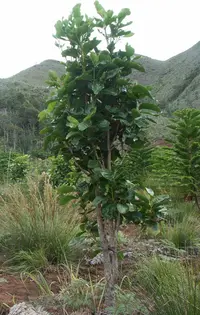
Use structural staking

In windy or exposed sites, install 2–3 sturdy stakes outside the root zone and use soft, flexible ties in a loose figure-eight to support the trunk without rubbing or constricting it, and remove all staking after 1–2 years once the tree stands firmly on its own.

Mulch for soil protection

Apply a 5–8 cm layer of coarse organic mulch in a wide ring around the tree, keeping it 10–15 cm away from the trunk to stabilize soil temperature, reduce surface compaction, and protect fine feeder roots.

Manage lower branches

Allow lower branches to remain on young trees for several years to thicken the trunk, then remove them gradually over multiple seasons to raise the canopy height without stressing the plant.

Plan long-term spacing

When growing Arillastrum in landscapes, position young trees with at least 6–8 m of clearance from buildings, power lines, and other trees to accommodate the eventual crown spread and avoid heavy structural pruning later.

Common Pests and Diseases

Scale insects

These insects feed on sap along young stems and branches, causing leaf yellowing, reduced growth, and honeydew that encourages sooty mold on the bark and foliage.

Solution

Physically scrape or rub off small colonies with a soft brush or cloth, prune out heavily infested twigs, and use a horticultural oil spray to coat stems and leaves, repeating applications as needed while monitoring new growth when caring for Arillastrum.

Myrtle rust

This disease causes yellow to orange powdery pustules on young leaves and shoots, leading to leaf distortion, dieback of new growth, and reduced vigor in susceptible Myrtaceae species.

Solution

Promptly prune and destroy affected shoots, avoid overhead watering, improve airflow around the canopy, and apply a suitable fungicide to new growth during warm, humid periods while monitoring closely for reinfection.

Cylindrocladium leaf and shoot blight

This disease produces brown to black lesions on young leaves and shoots, leading to leaf drop and tip dieback, especially in humid nursery or landscape conditions.

Solution

Remove and destroy infected plant material, thin dense foliage to improve air circulation, keep irrigation water off the foliage where possible, and use an appropriate systemic fungicide if the disease continues to spread.

Eucalyptus longhorn borer

This pest bores into trunks and larger branches, creating galleries in the wood that can cause branch dieback, canopy thinning, and in severe cases structural weakness or tree decline.

Solution

Prune and destroy infested branches to remove larvae, keep trees healthy through proper watering and mulching to reduce stress, avoid fresh trunk wounds, and consider protective trunk sprays where this borer is known to be prevalent.

Sooty mold

This disease appears as a black, soot-like coating on leaves and bark that grows on honeydew excreted by sap-sucking insects, reducing photosynthesis and giving the plant an unhealthy appearance.

Solution

Control the underlying sap-sucking insects such as scale or aphids, then gently wash affected foliage and bark with water to remove the mold, and maintain good light exposure and airflow to help new clean growth develop.

Interesting Facts

New Caledonia endemic

This species occurs naturally only in southern New Caledonia, where it grows on ultramafic soils that are rich in heavy metals and low in essential nutrients, a habitat that many other tree species cannot tolerate.

Nickel-rich tissues

It is considered a nickel hyperaccumulator, meaning its tissues can contain unusually high concentrations of nickel absorbed from the metal-rich soils in which it grows.

Resin-producing bark

The bark exudes a sticky gum or resin, historically used locally as an adhesive and sometimes as a traditional material, which is the origin of the species name gummiferum, meaning gum-bearing.

Botan icon

Did you know?

Arillastrum is a monotypic genus, meaning Arillastrum gummiferum is the only species in the entire genus, making it of particular interest for evolutionary and conservation studies.

FAQs about Arillastrum

Growth is slow to moderate. In suitable outdoor conditions it may add about 20–40 cm per year, eventually forming a medium to large tree. In cultivation it often stays smaller than in its native habitat.

Grow Healthy Plants with Botan Care

Keep your plants happy and healthy with plant identification, disease detection, and easy care guidance.

Botan plant care app — identify plants on mobile

Explore More Plants