Wind exposure management
Site plants where they receive steady air movement but are shielded from the strongest winter winds, for example behind a low wall or large rock, to reduce foliage desiccation and tip dieback.

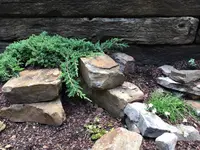
Japanese garden juniper (Juniperus procumbens 'Nana') is a low-growing evergreen shrub often used in rock gardens, bonsai, and groundcover plantings. It forms dense, spreading mats of fine, needle-like foliage that stay green year-round.
This species is native to Japan, where it grows on rocky, coastal slopes with well-drained soils. Its compact habit and slow to moderate growth make it easy to control in small landscapes.
Juniperus procumbens 'Nana' is generally hardy, drought-tolerant once established, and prefers full sun and sharply drained soil. These traits make it relatively simple to care for Japanese Garden Juniper for most home gardeners.

Care Difficulty
Moderate Care

Light Preference
Full Sun

Water Requirements
Low Water

Temperature Preference
Cold Hardy

Hardiness Zone
4–9

Soil Texture
Sandy, Loamy, Rocky

Soil pH
Acidic (5.5–6.5), Slightly acidic (6.5–7.0)

Soil Drainage
Well-drained

Fertilization
Minimal (feed rarely)
Scan your plant to receive care tips personalized for your specific plant
Available on iOS and Android
This low, mat-forming conifer thrives in full sun and needs strong light to stay dense and compact.
This juniper prefers slightly dry conditions and is more tolerant of underwatering than of consistently wet soil.
This plant is a hardy outdoor conifer that tolerates a wide temperature range once established.
This shrub handles a wide humidity range and usually does not need special adjustment outdoors.
Juniperus procumbens 'Nana' prefers mineral, fast-draining soil that never stays waterlogged.
This low, spreading juniper is well suited to container growing outdoors.
This compact conifer grows well in average soil and needs only modest feeding for steady health.
Thoughtful pruning keeps Juniperus procumbens 'Nana' dense, low, and tidy without stressing the plant.
This ground-hugging shrub is usually grown in the landscape, with transplanting done only when clearly needed.
New plants are most reliably produced from semi-hardwood cuttings or simple layering rather than seed.
This cultivar is cold hardy and usually needs minimal winter care once established in the landscape.

Plant Health Check
Not sure what's wrong with your plant? Check your plant's health inside the app.
This cultivar forms a very low, ground-hugging mat with trailing branches that rarely send up strong vertical shoots, a trait selected from wild Juniperus procumbens populations for its stable, compact habit in rock gardens and bonsai trays.
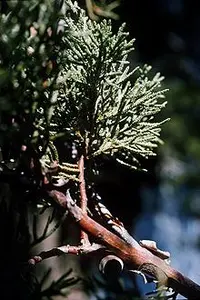
It keeps soft, awl-shaped juvenile needles for most of its life instead of developing the scale-like adult foliage seen in many junipers, which gives it a dense, cloud-like texture prized in bonsai and landscape edging.
The original species is native to exposed coastal slopes of southern Japan, and this selection retains notable tolerance to wind and salt spray compared with many other dwarf conifers.

In bonsai culture this plant became globally known after being widely used in mid-20th-century export bonsai from Japan, and many classic training techniques for low, windswept bonsai styles were developed specifically around its growth responses.
Brown foliage often results from root rot, drought stress, or winter windburn. Check soil drainage, avoid soggy conditions, and remove dead tips. Improve air flow and protect from harsh winter wind to prevent further dieback.
Keep your plants happy and healthy with plant identification, disease detection, and easy care guidance.