Use mineral substrates
Mount colonies on inert, mineral-based materials such as lava rock, pumice, or old brick fragments to mimic their natural habitat and prevent organic soil from staying too wet and decomposing around the lichen.

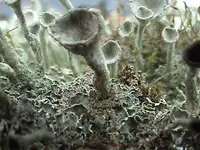
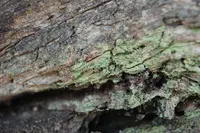
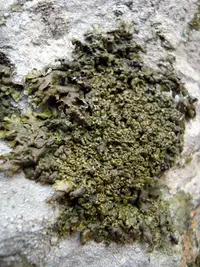
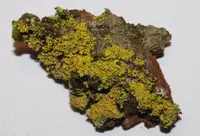
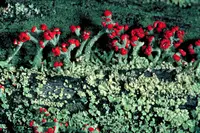
Cup lichen (Cladonia fimbriata) is a small lichenized fungus, not a true plant, commonly found on decaying wood, tree bases, and poor, sandy soils. It forms tiny green-gray cups on slender stalks, creating miniature forest-like clusters.
This species occurs widely in temperate regions, especially in cool, humid woodlands and heathlands. It is slow growing and sensitive to air pollution and disturbance, which can make it challenging to keep in stable condition.
Those who want to learn how to care for cup lichen should know it prefers bright, indirect light, steady moisture without waterlogging, and very well-drained, low-nutrient substrates such as bark, coarse sand, or old wood.

Care Difficulty
Hard Care

Light Preference
Partial Shade

Water Requirements
Low Water

Temperature Preference
Cold Hardy

Hardiness Zone
3–9

Soil Texture
Sandy, Rocky, Peaty

Soil pH
Strongly acidic (4.5–5.5), Acidic (5.5–6.5)

Soil Drainage
Well-drained

Fertilization
Minimal (feed rarely)
Scan your plant to receive care tips personalized for your specific plant
Available on iOS and Android
This lichen prefers cool, bright sites with soft, indirect light rather than intense sun.
Cladonia fimbriata needs intermittent moisture but cannot tolerate persistent saturation.
This species is quite cold tolerant but performs best in cool to mild temperatures.
This lichen prefers cool, moderately humid air but tolerates short dry spells.
This species prefers very lean, sandy, sharply draining substrates rather than typical potting soil.
This lichen is suitable for shallow containers and dish gardens if kept cool and well drained.
This lichen gains nutrients mostly from rain, dust, and its substrate, so cup lichen usually needs no added fertilizer.
Cladonia fimbriata needs almost no pruning, but light tidying can maintain appearance and prevent rot in dense displays.
Transplanting should be minimal, since this lichen anchors lightly and is sensitive to disturbance.
Propagation of this lichen is slow and best viewed as gentle relocation rather than active production.
This species is very cold hardy and generally needs no special winter care in outdoor settings.

Plant Health Check
Not sure what's wrong with your plant? Check your plant's health inside the app.
This lichen often colonizes decaying wood, old tree stumps, and compacted forest soil, helping stabilize these surfaces and creating tiny moist niches where mosses and seedlings can later establish.
Its upright stalks, called podetia, end in narrow trumpet or goblet-like cups whose rims often carry the reproductive structures that release fungal spores into the air.
The species is made of a fungus and microscopic green algae living together; the algae provide carbohydrates via photosynthesis while the fungus builds the structure and regulates water and mineral uptake.

Cladonia fimbriata is widely used as a model species in air pollution and heavy metal accumulation studies because its tissues readily absorb airborne contaminants, allowing scientists to monitor environmental quality without complex instruments.
Growth is slow. In good outdoor conditions, this species may extend only a few millimeters each year. It can take several years to form a visible patch, so patience is essential when growing cup lichen.
Keep your plants happy and healthy with plant identification, disease detection, and easy care guidance.