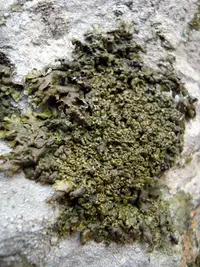
cup lichen Care (Cladonia cristatella)

Also known as: British soldier lichen, British Soldiers
cup lichen

About cup lichen

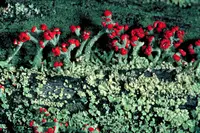
Cup lichen (Cladonia cristatella) is a fruticose lichen, not a true plant, formed by a partnership between a fungus and photosynthetic algae. It typically grows as small upright cups or stalks with bright red fruiting tips, often called British soldiers. In nature it occurs on rocks, rotting wood, soil, and old tree stumps, especially in cool, moist forests and open clearings. This species grows very slowly and is sensitive to air pollution, drying winds, and physical disturbance, which makes it challenging to cultivate. Anyone wanting to learn how to care for cup lichen should know it prefers stable, clean air, consistent gentle moisture, and a well-drained, low-nutrient, slightly acidic substrate.

Main Plant Requirements

Care Difficulty

Hard Care

Light Preference

Partial Shade

Water Requirements

Low Water

Temperature Preference

Cold Hardy

Hardiness Zone

3–8

Soil Texture

Sandy, Rocky, Peaty

Soil pH

Strongly acidic (4.5–5.5), Acidic (5.5–6.5)

Soil Drainage

Well-drained

Fertilization

Minimal (feed rarely)

Get Personalized Care Plan

Scan your plant to receive care tips personalized for your specific plant

Available on iOS and Android

How to Care for the cup lichen

This lichen prefers bright, cool conditions that mimic open, undisturbed natural sites.

  • Provide 3–6 hours of soft morning sun or fully bright, open shade; avoid intense, direct afternoon sun that can desiccate tissue.
  • Cup lichen tolerates light dappled shade from shrubs or rocks, but deep shade reduces color intensity and slows growth.
  • In summer, protect from reflective heat and prolonged full sun; in winter, unobstructed light is beneficial as long as surfaces do not bake or dry out completely.

Watering should imitate natural rainfall patterns on well-drained, low-nutrient substrates.

  • Allow the surface to dry fully between thorough wettings; re-wet only when the lichen feels crisp and the substrate is dry at least 1–2 cm deep.
  • Ensure excellent drainage on rock, bark, or sandy mixes; standing water or constantly soggy spots quickly damage Cladonia cristatella.
  • In hot, dry weather, short, more frequent soakings or mistings are useful, while in cool, humid seasons, reduce watering and watch for algal growth as a sign of excess moisture.

This species handles a wide temperature span but performs best in cool to moderate conditions.

  • Optimal growth occurs around 45–70°F (7–21°C), typical of cool, moist climates and shaded rock outcrops.
  • It tolerates winter lows near 10–20°F (-12 to -6°C) when naturally acclimated, surviving freezing as long as drying winds are limited.
  • Sustained heat above 85°F (29°C), especially with strong sun and low humidity, can cause bleaching and dieback, so provide shade and moisture buffering in hot periods.

This lichen prefers cool, consistently moist air but tolerates moderate fluctuations.

  • Target 60–90% humidity by placing it outdoors in naturally damp, shaded locations rather than inside dry rooms.
  • Cup lichen tolerates brief lower humidity if its substrate stays lightly moist, but prolonged dry air leads to brittleness and color fading.
  • If air is very dry, increase local humidity by grouping mosses and lichens together and lightly misting the surrounding area, not soaking the thalli.

This species grows best on very lean, sharply drained, mineral-based substrates rather than typical potting soil.

  • Use a mix such as 60–80% coarse sand or fine grit with 20–40% crushed bark, pumice, or granite chips to mimic rocky, nutrient-poor sites.
  • Ensure extremely fast drainage; the substrate should wet and then dry quickly, never remaining muddy or compacted around the holdfasts.
  • Aim for slightly acidic conditions, roughly pH 4.5–6.0, avoiding lime-rich materials that push the mix toward alkaline.
  • Avoid peat-heavy, fertilized, or organic-rich mixes, which retain too much moisture and promote algae or moss over Cladonia cristatella.

This lichen can be grown in shallow containers if moisture and drainage are carefully controlled.

  • Choose wide, shallow dishes or trays so the lichen spreads over the surface without deep, water-holding substrate beneath it.
  • Use rigid, stable containers such as ceramic or stone to resist tipping and to buffer rapid surface drying in windy sites.
  • Elevate the container slightly on feet or mesh so drainage holes stay clear and excess water escapes immediately after rainfall or misting.

This lichen gains nutrients from rain, dust, and its substrate, so cup lichen in culture needs little or no added fertilizer.

Cladonia cristatella needs only minimal pruning to keep cultivated patches tidy and healthy.

  • Clip away obviously dead, broken, or rotted podetia using fine scissors or small snips.
  • Remove shaded, smothered, or heavily algae-covered sections to reduce competition and improve air movement.
  • Avoid cutting healthy, upright trumpets deeply, as this can slow colonization of the substrate.

Cultivated Cladonia cristatella is best managed by gentle transplanting rather than frequent repotting.

  • Transplant only when the colony stops spreading, the substrate collapses, or a display container is overcrowded.
  • Choose cool, moist periods in spring or fall so the thallus can reattach with less stress.
  • Lift patches with a thin spatula, keeping attached substrate intact to protect the holdfasts.
  • Set onto a new, low-nutrient, well-drained surface and mist lightly until the lichen anchors.

Propagation of Cladonia cristatella relies on moving small colony fragments rather than true cuttings or seed sowing.

  • Best time is during cool, moist weather in spring or fall, when desiccation risk is lower.
  • Gently break or cut small clumps that include both podetia and basal squamules with attached substrate.
  • Place fragments onto new acidic, low-nutrient media such as sand–peat mixes or weathered bark.
  • Provide bright, indirect light and intermittent misting so surfaces stay slightly moist but never waterlogged.

This lichen is naturally cold hardy and normally needs no special winter care outdoors.

  • In very exposed sites, avoid heavy foot traffic or scraping over frozen colonies.
  • For container displays, keep trays in a cold, bright, sheltered spot with good air flow.
  • Allow natural freeze–thaw cycles but prevent standing water, which can lead to substrate heaving and damage.

Care Tips

Use inert substrate

Mount the lichen on inert, low-nutrient materials such as weathered bark, old terracotta shards, or unglazed rock to keep competition from mosses and algae low and maintain the nutrient-poor conditions it prefers.

Control competing growth

Every few months, gently scrape away any moss, algae, or vascular seedlings that appear around the lichen so they do not shade or physically overrun the delicate cups.

Maintain excellent airflow

Place displays in a very airy spot or use a small fan on a low setting nearby to reduce prolonged surface wetness and discourage fungal overgrowth while still allowing periodic moisture.

Use rain or distilled water

When hand-misting, use collected rainwater or distilled water to avoid mineral buildup on the thalli, which can form a crust that reduces gas exchange and slows growth.

Seasonal moisture cycling

Allow longer dry intervals between misting in winter and slightly more frequent light misting in spring and fall to mimic natural wet–dry cycles, which supports healthier and more stable colonies when growing cup lichen.

Common Pests and Diseases

Air pollution injury

Symptoms include bleaching, browning, or complete disappearance of the lichen from exposed surfaces, especially near roads or industrial areas. This condition reflects the extreme sensitivity of the lichen to sulfur dioxide, nitrogen oxides, and other airborne pollutants.

Solution

Reduce or avoid exposure to polluted air by sourcing new colonies from clean, remote areas and placing them in locations with good air quality away from traffic and combustion sources. For cup lichen indoor care or display, ensure strong indirect light, good air exchange with outdoor air, and avoid cigarette smoke, cleaning sprays, or other volatile chemicals nearby.

Prolonged desiccation damage

This condition leads to persistent brittleness, loss of color intensity, and poor recovery after misting or rewetting. The lichen fails to resume normal metabolic activity after drying if the dry period is very long or repeated under intense heat and sun.

Solution

Maintain a naturally humid microhabitat by placing the lichen in cool, shaded to lightly filtered light and misting lightly during extended dry spells without soaking. Avoid direct midday sun, hot reflective surfaces, and strong artificial heating sources, and if a colony has become very brittle, rehydrate gradually with short, gentle misting sessions over several days.

Overgrowth by mosses

This problem appears as dense green moss forming a carpet around and over the lichen, eventually shading and physically smothering the cups. The lichen can decline as it loses light and space for new podetia to form.

Solution

Manually thin or peel back moss patches around the lichen using tweezers, keeping small gaps of bare, well-drained substrate between moss clumps and lichen clusters. Improve air movement and reduce chronic overwatering so the surface dries between wet periods, which favors the lichen over more moisture-demanding mosses.

Fungal overcolonization

This disease presents as irregular dark spots, fuzzy overgrowth, or slimy patches that obscure the normal surface of the cups and squamules. The balance between the lichen fungus and its partner algae or cyanobacteria is disturbed by opportunistic fungi thriving in persistently wet, stagnant conditions.

Solution

Increase airflow, reduce constant wetness, and avoid misting late in the day so surfaces can dry before night. Gently remove heavily overgrown sections with tweezers, then maintain a cycle of moist and dry periods rather than continuous saturation, using a coarse, sharply draining substrate.

Invertebrate grazing

These insects and small invertebrates, such as springtails, snails, slugs, or certain mites, can chew or rasp the cups and squamules, leaving ragged edges, missing sections, or fine pits on the surface. Damage is usually patchy and appears more on tender new growth or in very damp setups.

Solution

Inspect colonies closely and manually remove visible grazers, using soft tweezers or a gentle water stream. Reduce excess moisture and decaying organic debris that attract them, and where needed, place physical barriers such as fine mesh covers or use localized, lichen-safe traps for slugs and snails rather than broad-spectrum chemical treatments.

Interesting Facts

Red apothecia warning

The bright red tips are apothecia, the fruiting bodies that produce sexual spores, and their coloration is thought to act as a visual warning to grazing invertebrates.

Pioneer on bare rock

This lichen often colonizes exposed rock, rotting wood, and old logs, slowly helping to create soil by trapping dust and contributing organic matter as it decomposes.

Indicator of clean air

It is typically found in habitats with relatively low air pollution, so stable populations can indicate good local air quality and low sulfur dioxide levels.

Botan icon

Did you know?

Cladonia cristatella is a symbiotic partnership between a fungus and photosynthetic algae, and genetic studies show that the same fungal species can sometimes associate with different algal partners depending on local environmental conditions.

FAQs about cup lichen

This species grows very slowly, often only 1–5 mm per year. Growth rate depends on stable moisture, clean air, and low disturbance. In gardens or containers it may appear almost unchanged for several seasons.

Grow Healthy Plants with Botan Care

Keep your plants happy and healthy with plant identification, disease detection, and easy care guidance.

Botan plant care app — identify plants on mobile

Explore More Plants