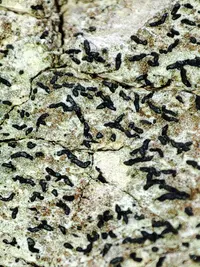
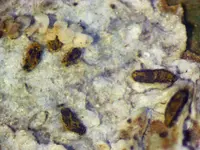
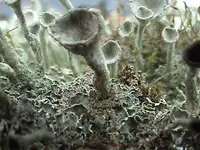
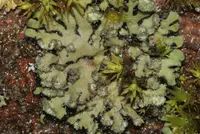
tree moss Care (Pseudevernia furfuracea)

tree moss

About tree moss

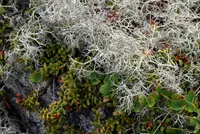
Tree moss, often referring to the lichen Pseudevernia furfuracea, is a symbiotic organism made of fungus and algae living together. It is not a true moss or vascular plant.

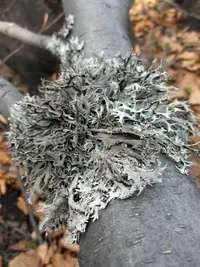
It forms soft, leafy, branching pads that attach to bark on coniferous and deciduous trees, especially in cool, clean, mountainous forests across Europe, parts of Asia, and North America.

Pseudevernia furfuracea grows slowly and is sensitive to air pollution and drying out, which makes it challenging to keep alive indoors or in gardens. Those who want to learn how to care for tree moss should focus on stable humidity, gentle light, and good air circulation rather than soil conditions.

Main Plant Requirements

Care Difficulty

Moderate Care

Light Preference

Partial Shade

Water Requirements

Low Water

Temperature Preference

Cold Hardy

Hardiness Zone

3–9

Soil Texture

Rocky, Organic-rich

Soil pH

Strongly acidic (4.5–5.5), Acidic (5.5–6.5)

Soil Drainage

Well-drained

Fertilization

Minimal (feed rarely)

Get Personalized Care Plan

Scan your plant to receive care tips personalized for your specific plant

Available on iOS and Android

How to Care for the tree moss

Pseudevernia furfuracea prefers bright, indirect light that mimics dappled forest conditions.

  • Provide 2–4 hours of gentle morning sun with light shade or filtered light for the rest of the day, especially in summer.
  • Avoid harsh midday and strong afternoon sun, which can bleach and dry tree moss, causing pale, brittle lobes.
  • In winter, allow more open light by thinning overhead shade, but still protect from intense, low-angle sun that can over-dry exposed patches.

Moisture for Pseudevernia furfuracea should mimic natural cycles of wetting and drying on bark or rock surfaces.

  • Allow the thallus surface to dry fully between thorough wettings; rewet when it feels crisp but not crumbling or breaking.
  • In cool, moist seasons, natural rainfall is usually enough; in dry spells, mist or hose down every few days, then let excess water drain away completely.
  • Signs of overwatering include slimy, discolored patches, while chronic underwatering shows as brittle, fragmenting pieces that fail to rehydrate fully.

This lichen tolerates a broad temperature range but grows best in cool to mild conditions.

  • Optimal growth occurs around 50–70°F (10–21°C), especially in humid, shaded sites with good air movement.
  • It can survive brief drops near 5°F (-15°C) when naturally acclimated, but repeated freeze–thaw with strong sun can damage exposed colonies.
  • High heat above 85°F (29°C), combined with drought and direct sun, can desiccate Pseudevernia furfuracea, so prioritize shade and periodic moisture in hot summers.

This lichen prefers consistently moist air and reacts quickly to dry conditions.

  • Aim for 60–90% humidity, as tree moss relies on atmospheric moisture rather than roots for water uptake.
  • In prolonged air below 50%, fronds curl, turn brittle, and lose color intensity, indicating humidity stress.
  • Increase humidity by placing it outdoors in shaded, humid spots, using nearby water features, or grouping moisture-loving plants to create a localized humid microclimate.

Pseudevernia furfuracea is not rooted in soil but may be mounted or loosely placed on inert substrates for display or cultivation.

  • Use a very loose, airy base such as coarse bark, cork, or lava rock, avoiding dense or compacted substrates.
  • Ensure rapid drainage so water runs off within minutes, preventing prolonged wetting that can suffocate the thallus surface.
  • Keep the support slightly rough or textured to help the lichen anchor without being buried or pressed into crevices.
  • Avoid nutrient-rich potting mixes, manured composts, or fine peat-based blends, which retain moisture and encourage rot or algae overgrowth.

This species can be kept in shallow containers mainly as a display mount rather than a conventional potted plant.

  • Choose wide, shallow trays or dishes that allow the lichen to spread loosely without stacking thick layers that trap moisture.
  • Use heavy or stable container materials, such as ceramic or stone, to prevent tipping in outdoor wind exposure.
  • Elevate the lichen on small stones or mesh within the container so excess water drains and air circulates freely around the thalli.

Pseudevernia furfuracea, a lichen often called tree moss, gains nutrients mainly from rain and air, so fertilizing is usually unnecessary.

Pseudevernia furfuracea needs minimal pruning, mainly to keep host branches tidy and monitor lichen health.

  • Carry out light trimming at any time, ideally during dry weather for quicker healing of the host bark.
  • Remove only dead, discolored, or damaged lichen pieces and heavily shaded, overcrowded tufts.
  • Use clean, sharp scissors or pruning snips to cut away sections without tearing the bark underneath.
  • Avoid heavy thinning, which can reduce the natural, irregular growth form and overall coverage.

This epiphytic lichen is usually not potted; care focuses on gentle transplanting between suitable host surfaces.

  • Transplant only when the host branch is being removed or conditions are clearly declining, not on a schedule.
  • Best timing is cool, moist seasons, which limit desiccation and stress during reattachment.
  • Lift tufts carefully, keeping the underside intact, and press them onto new rough bark or an inert mount.
  • Mist lightly and keep in shaded, humid conditions for several weeks to support reattachment and reduce stress.

Pseudevernia furfuracea is mainly propagated by small fragments rather than seeds, and the process is slow and sensitive to drying.

  • Use vegetative pieces, taking small, healthy tufts rather than scraping entire patches from the host.
  • Spring or fall with cool, moist air offers the best balance between hydration and light for new growth.
  • Place fragments on rough bark, cork, or stone, securing lightly with biodegradable thread or mesh if needed.
  • Maintain high humidity, indirect light, and good air movement to limit desiccation while discouraging mold growth.

This lichen is naturally cold hardy and usually needs no special winter care outdoors.

  • In very exposed sites, avoid scraping or handling frozen thalli, as they become brittle and break easily.
  • For mounted displays, allow natural cold but shield from strong, drying winds when possible.
  • Indoor decorative mounts can be kept near cool windows, avoiding direct heat sources that cause repeated drying.

Care Tips

Mounting surfaces

Attach this lichen to untreated bark, cork, or rough stone with biodegradable thread or soft ties so its tiny holdfasts can anchor naturally without being smothered by glue or sealants.

Air circulation check

Place it where there is gentle, constant air movement and test monthly with a light paper strip; if the air feels stagnant, shift location or add a low-flow fan at a distance to reduce mold risk.

Filtered water rinse

Rinse thalli lightly under cool, low-pressure filtered or rainwater every few weeks to remove dust and urban pollutants that can block photosynthesis on the upper surface.

Pollution monitoring

Avoid mounting near busy roads, chimneys, or smokers’ areas, since this lichen is sensitive to airborne pollutants; a gradual loss of color or patchy dieback often indicates poor air quality rather than watering issues.

Seasonal moisture staging

In outdoor cultivation, place mounting slabs where they receive easy access to natural mist or fog in cooler seasons and offer brief morning misting in drier, hot spells to mimic the irregular wet-dry cycles important for growing tree moss and lichens successfully.

Common Pests and Diseases

Sulfur dioxide injury

Symptoms include bleaching, gray patches, or death of lichen tissue on exposed surfaces after high air pollution events. This disease often appears first on parts closest to pollution sources such as roads, chimneys, or industrial areas.

Solution

Reduce or remove exposure to polluted air by relocating collected thalli away from roadsides, fireplaces, or exhaust vents, and avoid displaying material outdoors in polluted zones. For tree moss indoor care, ensure good ventilation with clean air, and discard severely bleached or brittle pieces, keeping only healthy, elastic fragments for display or study.

Acid rain damage

This disease causes gradual thinning, loss of bushy structure, and color fading due to repeated exposure to acidic precipitation and mist. Tissue may become brittle and fragment easily over time.

Solution

If collecting from the wild, choose sites far from industrial areas and busy highways where precipitation chemistry is less extreme. For maintained or educational displays, protect material from direct exposure to contaminated rain or irrigation water by keeping it in sheltered, well-ventilated locations and using neutral, clean water for occasional rehydration sprays.

Heavy metal accumulation

Symptoms include slow decline, darkening or discoloration, and loss of vitality when thalli grow on bark or rock surfaces contaminated with metals such as copper, zinc, or lead. This condition develops over long periods and often coincides with proximity to mining, industry, or old painted structures.

Solution

Avoid harvesting or growing Pseudevernia on substrates near mines, smelters, treated poles, or old painted surfaces that may leach metals. For decorative or research material, choose clean host branches from uncontaminated forests and discard any thalli collected in obviously polluted or industrial settings.

Mite grazing

This pest causes small surface pits, irregular nibbling, and a roughened texture as tiny mites feed on lichen tissues and associated microorganisms. Damage is usually patchy and more noticeable on stored or very dry material.

Solution

For collected thalli kept indoors, gently shake or brush material over white paper to dislodge mites, then freeze the dry lichens in a sealed bag for 48–72 hours to kill remaining individuals. Store material in dry, sealed containers with good air exchange between uses and avoid long-term storage in warm, dusty locations that favor mite buildup.

Snail and slug feeding

These insects leave rounded bite marks, scraped areas, and sometimes large missing patches on wetter, accessible thalli. Symptoms include irregular margins and localized thinning where animals move across branches or rocks during damp periods.

Solution

On living host trees in gardens or naturalized settings, manually remove snails and slugs during damp evenings and reduce their refuges by clearing dense ground litter near trunks. Where protection is important, place physical barriers such as copper tape or sharp gravel bands around key trunks or display stands, and avoid using salt directly on lichen-bearing surfaces, as it can damage the thalli.

Interesting Facts

Air pollution indicator

This lichen species is very sensitive to airborne sulfur dioxide and heavy metals, so its presence or absence has been widely used in Europe as a bioindicator of air quality and industrial pollution levels.

Dual fungal partnership

Unlike most lichens that usually have a single main fungal partner, it contains an ascomycete fungus plus a basidiomycete yeast in its cortex, forming a stable multi-partner symbiosis with green algal cells.

Distinctive tree-dwelling habit

It typically grows on the bark of conifers and some deciduous trees in cool, humid forests, forming gray to greenish, flat, furrowed lobes that often become more bushy and curled toward the tips.

Botan icon

Did you know?

Extracts of this lichen, historically grouped with so-called oakmoss materials, have been used in the perfume industry for their fixative properties and characteristic earthy, forest-like scent, although its use is now much more controlled due to allergen regulations.

FAQs about tree moss

Yes, this lichen is effectively evergreen. The thallus stays on host bark year-round, only shrinking or curling slightly in dry weather. Color and texture change with moisture but it does not shed foliage seasonally like many vascular plants.

Grow Healthy Plants with Botan Care

Keep your plants happy and healthy with plant identification, disease detection, and easy care guidance.

Botan plant care app — identify plants on mobile

Explore More Plants