Anaptychia runcinata Care

Anaptychia runcinata

About Anaptychia runcinata

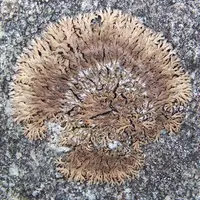
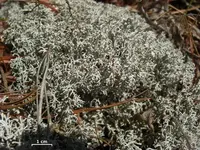
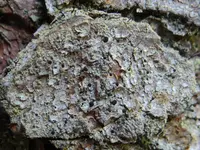
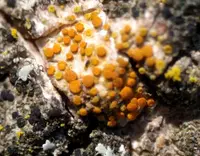
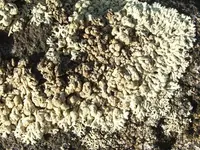
Anaptychia runcinata is a foliose lichen, a partnership between a fungus and an alga, rather than a traditional leafy plant. It forms small, gray to brownish rosettes with narrow, lobed segments that attach closely to bark or rock surfaces.

This species is typically found in dry, open habitats, often on tree trunks or exposed stones in regions with relatively clean air. Its slow growth and sensitivity to pollution make it a useful bioindicator of air quality.

Because it extracts moisture and nutrients directly from rain, fog, and dust, it does not adapt well to typical pot or soil culture. Attempts to care for Anaptychia runcinata at home are usually challenging and suited mainly to experienced lichen enthusiasts.


Main Plant Requirements

Care Difficulty

Moderate Care

Light Preference

Partial Sun

Water Requirements

Low Water

Temperature Preference

Warm Climate

Hardiness Zone

Unknown

Soil Texture

Rocky, Sandy

Soil pH

Slightly acidic (6.5–7.0)

Soil Drainage

Well-drained

Fertilization

Minimal (feed rarely)

Get Personalized Care Plan

Scan your plant to receive care tips personalized for your specific plant

Available on iOS and Android

How to Care for the Anaptychia runcinata

This lichen prefers bright, open conditions but is sensitive to intense, prolonged heat and glare.

  • Provide 4–6 hours of direct morning sun with bright indirect or lightly filtered light for the rest of the day, especially in open, rocky habitats.
  • Allow light partial shade during hot afternoons; strong sun on dark rock can overheat tissues and cause bleaching or crisp, brittle lobes.
  • In summer, protect Anaptychia runcinata from reflected heat and metal surfaces; in winter, ensure it still receives at least 3–4 hours of unobstructed daylight.

This species absorbs moisture mainly from rain, fog, and dew and tolerates dry spells between wetting events.

  • Allow the substrate or bark to dry completely between natural wettings; tissues should rehydrate fully within a few hours after rain or misting, then dry again.
  • Use sharply draining rock crevices or coarse bark; persistent dampness, algae growth, or soft, darkened thalli indicate excess moisture and poor aeration.
  • In warmer months, brief misting during extended drought can help, but shriveled, brittle lobes that fail to plump up after moisture suggest chronic underwatering or air that is too dry.

This lichen tolerates a wide temperature range but grows best in mild, temperate conditions.

  • Aim for moderate conditions around 50–75°F (10–24°C), where metabolic activity and slow growth are most stable on exposed rock or bark.
  • It survives brief drops near 20°F (-7°C) once acclimated, but repeated freeze–thaw on wet surfaces can damage tissue, so good air movement and drainage are important.
  • In hot spells above 90°F (32°C), Anaptychia runcinata often enters dormancy; excess heat combined with full afternoon sun can scorch and permanently desiccate lobes.

This lichen thrives in relatively dry, airy conditions and does not need elevated humidity.

  • Target 30–50% humidity, similar to dry indoor air or exposed outdoor rock surfaces, avoiding persistently damp microclimates.
  • Tolerates lower humidity well, but prolonged high humidity with poor airflow encourages algal overgrowth and can weaken Anaptychia runcinata.
  • Watch for soft, waterlogged thalli or dark, slimy patches as signs of excess moisture; increase airflow and reduce nearby water sources if seen.

This species is usually saxicolous, growing on rock or bark, so any substrate should mimic a thin, mineral, fast-drying layer rather than conventional potting soil.

  • Use a very gritty mix such as 60–70% coarse sand or fine gravel with 30–40% crushed lava rock or pumice to keep the substrate open and fast draining.
  • Maintain drainage so water never pools around the thallus; a shallow, sloped layer that sheds water works better than a deep, moisture-holding medium.
  • Aim for neutral to slightly alkaline conditions (pH 7.0–8.0) by incorporating crushed limestone chips or a small amount of agricultural lime into the mineral mix.
  • Avoid organic-rich, peat-heavy, or compacted mixes, which stay wet too long and reduce aeration around the lichen holdfasts, increasing the risk of rot and dieback.

This lichen is suitable for container growing only as a mounted or rock-garden specimen in very shallow, freely draining setups.

  • Use a wide, shallow container so the rock or bark substrate sits above the rim, maximizing air movement across the thalli and rapid surface drying after wetting.
  • Choose unglazed clay or porous stone containers, which allow lateral evaporation and keep the supporting rock drier between waterings than plastic pots.
  • Secure rocks or bark firmly with gravel wedges or inert adhesive so the substrate does not shift in wind or when watered, protecting delicate attachment points.

This lichen typically grows on nutrient-poor substrates and does not need additional fertilizer in cultivation.

Anaptychia runcinata needs almost no pruning, as it maintains its natural form without intervention.

  • Limit work to gently removing loose, dead, or heavily damaged lobes by hand.
  • Carry out any cleaning in dry weather to avoid crushing hydrated tissues.
  • Avoid sharp tools; fingers or soft tweezers reduce risk of tearing the thallus.
  • Do not thin crowded areas, since natural overlapping is important for healthy growth.

This species is usually grown attached to bark, rock, or wood, so care focuses on gentle transplanting rather than classic repotting.

  • Transplant only if the substrate decays, becomes unstable, or no longer drains well.
  • Best timing is in cool, mild weather, avoiding heat waves and hard frosts.
  • Every 3–5 years, move small colonies onto fresh, similar substrate if growth stalls.
  • Lift the host fragment with the lichen intact, minimize handling, and secure it loosely to the new surface.

In cultivation, Anaptychia runcinata is propagated mainly by moving small thallus fragments to new, suitable substrates.

  • Use tiny pieces of healthy thallus and press them gently onto rough bark, rock, or clay surfaces.
  • Late winter to early spring offers stable moisture and mild temperatures for establishment.
  • Provide bright, indirect light, clean air, and consistent humidity to support slow attachment.
  • Avoid burial or dense moss cover; the fragments must stay exposed to light and air.

This lichen is generally cold hardy and usually needs no special winter care outdoors.

  • In very exposed sites, shield from abrasive wind that can detach thalli from bark or rock.
  • Container displays or mounted pieces can be moved to a bright, unheated shelter in severe freezes.
  • Avoid de-icing salts and runoff in winter, as these can damage the lichen surface.

Care Tips

Substrate anchoring

Press small pieces of this lichen gently onto rough, mineral-rich surfaces such as unglazed rock, old brick, or bark using a nylon mesh or cotton thread for a few weeks so the holdfasts can attach securely before the support is exposed to wind and handling.

Airflow optimization

Mount colonies where they receive steady, gentle air movement such as on a vertical rock face or a screen so thalli dry quickly after misting or rain, which reduces the risk of rot and helps maintain a compact, healthy form.

Pollution monitoring

Avoid placing this species near busy roads, chimneys, or smoking areas, since its sensitivity to air pollutants means thalli will discolor or stop growing long before other plants show stress, making clean air an important factor in caring for Anaptychia runcinata.

Salt and dust management

If grown outdoors in dry or coastal areas, periodically rinse surfaces with low-mineral, chlorine-free water during mild weather to remove dust and salt deposits that can block light and damage the photosynthetic layer.

Fragment propagation

To expand a colony, gently break or cut small, healthy lobes and press them onto new suitable substrates in close contact, as these fragments can slowly establish new growth without the need for soil or containers.

Common Pests and Diseases

Air pollution damage

Symptoms include bleaching, brown spotting, or necrotic margins on lobes, especially on surfaces exposed to traffic or industrial emissions. This damage often appears irregular and may be more intense on the side facing the pollution source.

Solution

Reduce exposure by relocating collected thalli away from roadsides or polluted urban areas and favor sites with cleaner air and steady air movement. Avoid handling or misting lichens near sources of smoke or chemical aerosols, and allow time in cleaner conditions for partial recovery of surviving tissue.

Desiccation stress

Symptoms include crisp, brittle lobes that remain pale or faded even after moistening, with edges that may fragment and detach from the substrate. This condition develops when the lichen is exposed to prolonged dryness and direct sun without opportunities to rehydrate.

Solution

Improve microhabitat humidity by providing intermittent gentle misting and partial shade, especially during hot, dry periods, while still ensuring good air circulation. When attempting Anaptychia runcinata indoor care on mounted pieces, keep them in a bright, cool location and allow cycles of moistening and drying rather than continuous wetness.

Algal photobleaching

This disease results from excessive light and heat damaging the photosynthetic algal partner, leading to pale, washed-out lobes and reduced growth. Symptoms include localized whitening or yellowing on the most sun-exposed surfaces.

Solution

Reduce light intensity by shifting the lichen to bright but indirect light or to a north- or east-facing exposure. Avoid placing collected material under glass in full sun, and provide moderate air movement to keep temperatures around the thallus lower.

Fungal overgrowth

This disease appears as dark, sooty or fuzzy patches that overgrow the lichen surface, sometimes accompanied by a slimy feel when wet and gradual loss of lichen structure beneath. These opportunistic fungi exploit persistently wet, stagnant conditions.

Solution

Improve airflow and reduce continuous wetting by spacing substrates, avoiding closed jars or terrariums, and allowing surfaces to dry between misting. If localized, gently remove overgrown portions with sterile tweezers or a soft brush and keep remaining thalli in a drier, well-ventilated, shaded environment.

Grazing by mites

This pest causes tiny pits, roughened surfaces, and irregularly eaten margins, often visible under magnification as fine scarring across the lobes. Damage tends to be slow but can weaken small thalli over time.

Solution

Gently rinse affected thalli with clean water and increase air movement to create less favorable conditions for mite buildup. If grazing is persistent on cultivated or displayed samples, carefully remove and dispose of heavily damaged pieces and avoid using organic debris-rich substrates that harbor mites.

Interesting Facts

Nitrogen‑fixing partner reliance

This lichen forms a symbiosis between a fungus and a nitrogen‑fixing cyanobacterium or green alga, allowing it to colonize nutrient‑poor rocks and bark while slowly enriching the microhabitat with biologically available nitrogen.

Tolerance of arid habitats

Populations are often found in dry, open sites where surfaces heat up and desiccate, and the thallus can survive repeated cycles of drying and rapid rehydration without cellular damage.

Indicator of clean air

This species tends to be sensitive to high levels of sulfur dioxide and other industrial pollutants, so its presence in a landscape is often associated with relatively clean air conditions.

FAQs about Anaptychia runcinata

This lichen grows slowly, often only a few millimeters per year. Growth rate depends on clean air, stable surfaces, moderate moisture, and light exposure. Disturbance, pollution, and prolonged drought significantly reduce expansion and thallus density.

Grow Healthy Plants with Botan Care

Keep your plants happy and healthy with plant identification, disease detection, and easy care guidance.

Botan plant care app — identify plants on mobile

Explore More Plants