Star-tipped Reindeer Lichen Care (Cladonia stellaris)

Star-tipped Reindeer Lichen

About Star-tipped Reindeer Lichen

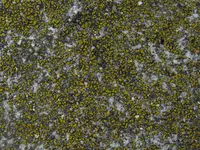
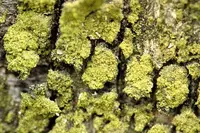
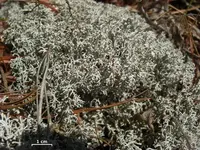
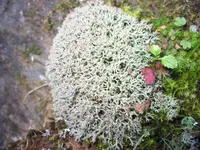
Star-tipped reindeer lichen (Cladonia stellaris) is a slow-growing lichen, not a true plant, formed by a partnership between a fungus and algae. It forms dense, rounded cushions with finely branched, pale gray to yellow-green tips that resemble tiny coral.

In nature, it carpets open, cool habitats such as boreal forests, tundra, and rocky heathlands, especially in Scandinavia, North America, and other northern regions. Its very slow growth and sensitivity to disturbance, pollution, and overharvesting make it challenging to cultivate sustainably.

Those who care for Star-tipped Reindeer Lichen usually keep it in bright, indirect light, stable cool conditions, and very well-drained, low-nutrient substrates, avoiding frequent handling or compaction.

Main Plant Requirements

Care Difficulty

Hard Care

Light Preference

Partial Shade

Water Requirements

Low Water

Temperature Preference

Cold Hardy

Hardiness Zone

2–7

Soil Texture

Sandy, Rocky, Peaty

Soil pH

Strongly acidic (4.5–5.5)

Soil Drainage

Well-drained

Fertilization

Minimal (feed rarely)

Get Personalized Care Plan

Scan your plant to receive care tips personalized for your specific plant

Available on iOS and Android

How to Care for the Star-tipped Reindeer Lichen

This slow-growing lichen prefers bright, cool conditions with gentle, filtered light.

  • Provide 3–5 hours of weak morning sun with bright, indirect or dappled light for the rest of the day, similar to open boreal forest edges.
  • Shelter Star-tipped Reindeer Lichen from strong midday and afternoon sun, which can cause bleaching, crisp tips, and long-term desiccation, especially in hot, dry climates.
  • Allow light levels to increase slightly in fall–winter and offer some protection with partial shade in late spring–summer if temperatures exceed 80°F (27°C).

This lichen absorbs moisture over its surface and is highly sensitive to prolonged wetness around its base.

  • Allow the substrate surface to dry fully between thorough wettings, then moisten deeply and let excess water drain or disperse away so there is no pooling.
  • In cooler, wetter seasons rely more on natural rainfall or mist; in warm, dry periods, mist lightly when the thallus feels crisp and pale but avoid daily soaking.
  • Signs of overwatering include persistent soggy ground, dark soft patches, and algae growth around Cladonia stellaris, while extreme dryness leads to brittle, easily crumbling cushions.

This species is naturally adapted to cool, harsh climates and tolerates a wide temperature range.

  • Aim for cool conditions around 45–65°F (7–18°C), which support stable growth and reduce heat stress on the lichen thallus.
  • It survives down to about 5°F (-15°C) under natural conditions, but repeated freeze–thaw with waterlogged substrate increases damage risk.
  • Prolonged heat above 80–85°F (27–29°C), especially with strong sun and low humidity, causes drying and bleaching, so provide shade and airflow during hot spells.

This lichen prefers cool, fairly dry air and tolerates low ambient humidity well.

  • Target 30–50% humidity, similar to a dry, well-ventilated room or shaded rock outcrop conditions.
  • It copes with drier air but declines if kept constantly damp or in stagnant, humid spaces with poor airflow.
  • Humidity stress shows as softened, darkened, or slimy tips; improve ventilation rather than adding misting when this occurs.

Provide a mineral, sharply draining, low-nutrient substrate rather than conventional potting soil.

  • Use a mix of 60–80% coarse sand or fine grit with 20–40% crushed lava rock, pumice, or perlite to mimic rocky ground.
  • Keep drainage extremely fast; lichen holds moisture in its tissues and rots if the substrate stays wet for more than a few hours.
  • Aim for slightly acidic to neutral conditions, roughly pH 5.0–7.0, avoiding limed or heavily fertilized garden soils.
  • Avoid peat-heavy, compost-rich, or clay-based mixes, which retain too much water and encourage decay of Cladonia stellaris structures.

This species can be grown in shallow containers mainly for display, provided moisture is tightly controlled.

  • Choose a wide, shallow tray or dish so the thin substrate layer dries quickly and does not smother the lichen.
  • Ensure generous drainage holes and elevate the container so water can flow away and not pool under the base.
  • Use rigid, non-porous materials like ceramic or plastic to keep the light substrate stable and prevent it from scattering when dry.

This lichen gains most nutrients from rain, dust, and its substrate, so additional fertilizer is usually unnecessary for caring for Star-tipped Reindeer Lichen.

Pruning needs for Cladonia stellaris are minimal and mostly cosmetic.

  • Best time to trim is during dry, mild weather, avoiding very wet periods.
  • Pinch or gently cut away dead, discolored, or heavily soiled tips to tidy cushions.
  • Use small, clean scissors and avoid cutting deeply into healthy, dense areas.
  • Limit removal to small sections so the natural cushion shape remains intact.

Transplanting is rarely needed, as this lichen grows slowly and is usually stable where placed.

  • Move Cladonia stellaris only if the substrate breaks down, becomes waterlogged, or growth declines.
  • Best timing is in cool, moist weather to reduce desiccation stress.
  • Lift cushions gently, keeping natural clumps intact and avoiding tearing the base.
  • Place onto a similar, sharply drained, nutrient-poor substrate and mist lightly until reattached.

Propagation of this lichen is slow and mainly done by division of natural clumps rather than from spores at home.

  • Best season is cool, moist weather in spring or autumn to reduce drying.
  • Gently break larger cushions into small pieces, keeping their structure intact.
  • Set fragments on clean, well-drained, nutrient-poor substrate without burying them.
  • Maintain high ambient humidity and good air flow; expect very slow establishment over months.

Cladonia stellaris is highly cold hardy and usually needs no special winter care.

Care Tips

Use inert substrates

Mount the lichen on inert, non-fertilized materials such as sand, pumice, or weathered rocks to avoid nutrient buildup that can damage the symbiosis between fungus and algae.

Control air movement

Place colonies where there is gentle, consistent air circulation (for example near, but not in, the path of an oscillating fan) to reduce mold risk without causing desiccation from strong drafts.

Limit handling

Handle cushions only by their base using tweezers or dry fingers, since repeated compression of the tips reduces surface area for gas exchange and slows regrowth.

Mimic seasonal cycles

Allow slightly drier and cooler conditions for several months each year and then reintroduce higher moisture to imitate natural boreal cycles that help stabilize growth and structure when growing Star-tipped Reindeer Lichen.

Monitor for algae films

If green surface films or slimy patches appear after frequent misting, reduce moisture, increase airflow, and gently rinse with soft water to prevent suffocation of the lichen thalli.

Common Pests and Diseases

Lichenicolous fungi

This disease is caused by specialized fungi that live on lichens, forming dark spots, discoloration, or distorted podetia (the upright branches). Symptoms include patchy browning, black fruiting dots, or a rough, crusty surface on affected areas.

Solution

Remove and discard heavily colonized pieces to prevent further spread, and keep remaining lichen in a cooler, well-ventilated, low-nutrient environment to reduce stress. Avoid fertilizing or wetting the lichen frequently, and if kept in decorative arrangements, space pieces so they dry quickly after misting.

Mite infestations

These pests are tiny arthropods that feed on lichen tissue, sometimes causing a dusty surface, fine webbing, or localized bleaching. Symptoms include slow thinning of the cushion and fragile, crumbling tips.

Solution

Reduce mites by gently blowing or brushing the thallus outdoors, then placing the lichen in a cooler, drier, well-aerated spot for several weeks. Avoid storing pieces in warm, stagnant, indoor air and periodically inspect and remove any debris that can harbor mites.

Algal overgrowth

This condition occurs when free-living algae overgrow the lichen surface in very humid, nutrient-enriched conditions, turning patches an unusually bright or slimy green. Symptoms include loss of the characteristic pale, matt surface and a softer, waterlogged texture.

Solution

Lower humidity, improve airflow, and keep the lichen away from nutrient sources such as soil, dust buildup, or fertilizer residues. Rinse gently with clean, cool water, let it drain and dry thoroughly, and avoid frequent misting to maintain balanced Cladonia stellaris care instructions.

Moss competition

This problem appears when mosses colonize and overtop the lichen in very moist environments, causing shading and smothering of the cushion. Symptoms include green moss tufts emerging through the lichen and gradual decline of the lichen beneath.

Solution

Carefully tease out moss clumps by hand or with tweezers, taking care not to crush the lichen structure, and then reduce constant moisture and shade. Provide good air movement and allow the substrate to dry more thoroughly between wet periods so lichen maintains a slight moisture pulse rather than continuous wetness.

Interesting Facts

Dominant boreal lichen

This species is one of the main ground-forming lichens in northern boreal and subarctic regions, creating pale, cushion-like mats that can cover large areas of open forest and tundra.

Keystone reindeer forage

In many Arctic and subarctic ecosystems it is an important winter food source for wild reindeer and caribou, which can dig through snow to reach the dense mats of this lichen.

Extremely slow growth

Field studies show that this lichen grows only a few millimeters per year, which means recovery of disturbed mats can take several decades or more.

Botan icon

Did you know?

Because its dense, three-dimensional structure traps air and moisture, this lichen layer can significantly influence local microclimate at ground level, moderating temperature swings and helping protect underlying soil and seedlings from extreme cold and desiccation.

FAQs about Star-tipped Reindeer Lichen

Growth is very slow. In natural conditions it may add only a few millimeters per year. Even in cultivation, visible size changes take several years, so it is normal for this species to appear almost static.

Grow Healthy Plants with Botan Care

Keep your plants happy and healthy with plant identification, disease detection, and easy care guidance.

Botan plant care app — identify plants on mobile

Explore More Plants