Lace lichen Care (Ramalina menziesii)

Also known as: Menzies' cartilage lichen, Fishnet; Menzies' cartilage lichen, California Spanish Moss
Lace lichen

About Lace lichen

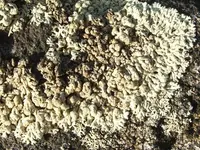
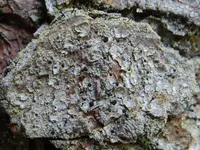
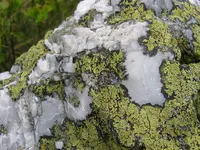
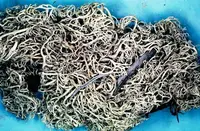
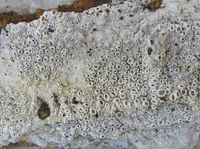
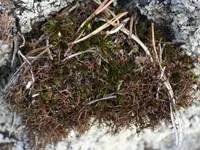
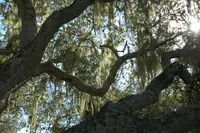
Lace lichen (Ramalina menziesii) is a fruticose lichen, a partnership of fungus and algae that forms long, branching, ribbon-like strands. It often drapes from tree branches like pale green-gray tinsel and moves gently with the wind.

This species is native to the coastal and inland fog zones of western North America, especially along the Pacific coast. It thrives in clean, humid air and is sensitive to pollution, which makes it a good indicator of air quality.

Because it depends on specific light, moisture, and air conditions, it is challenging to grow indoors or in typical gardens. Most plant owners simply enjoy it in natural habitats rather than try to care for Lace lichen at home.

Main Plant Requirements

Care Difficulty

Hard Care

Light Preference

Partial Shade

Water Requirements

Low Water

Temperature Preference

Cool Climate

Hardiness Zone

7–10

Soil Texture

Rocky, Sandy, Loamy

Soil pH

Slightly acidic (6.5–7.0), Neutral (7.0)

Soil Drainage

Well-drained

Fertilization

Minimal (feed rarely)

Get Personalized Care Plan

Scan your plant to receive care tips personalized for your specific plant

Available on iOS and Android

How to Care for the Lace lichen

This lichen prefers bright, cool, humid sites with filtered light rather than harsh sun.

  • Provide bright, indirect light or light dappled shade, with 2–4 hours of gentle morning sun and protection from strong afternoon sun.
  • On coastal trees and shrubs, Lace lichen thrives where branches receive open sky but are partly shaded by canopy foliage.
  • Avoid full, exposed midday sun, which can scorch and desiccate thalli; deep shade leads to sparse, pale, weak growth over time.

Ramalina menziesii absorbs water from rain, fog, and humid air rather than from soil.

  • In natural sites, prioritize moist, foggy, or high-humidity conditions; thalli should periodically wet and then dry rather than stay constantly soaked.
  • If grown on mounted branches, mist lightly when the lichen feels crisp-dry, then allow it to dry fully within a few hours to prevent rot.
  • Overwatering signs include mushy, darkening lobes and algae growth; underwatering shows as prolonged brittleness and no swelling after light misting.

This coastal lichen prefers mild temperatures and suffers in prolonged frost or intense heat.

  • Optimal growth occurs around 45–70°F (7–21°C), typical of cool, moist coastal climates with frequent fog or high humidity.
  • It tolerates brief drops near 25–30°F (-4– -1°C), but repeated hard frost or freezing winds can kill exposed lobes.
  • Sustained heat above 85°F (29°C), especially with low humidity and full sun, leads to bleaching, brittleness, and gradual dieback of Ramalina menziesii.

This lichen needs consistently high ambient humidity to stay hydrated and photosynthesize efficiently.

  • Aim for 60–100% humidity, mimicking foggy coastal air where Lace lichen naturally thrives.
  • In air below ~50% it dries, becomes brittle, and may bleach or fragment, indicating humidity stress rather than disease.
  • Increase humidity outdoors by positioning near frequent fog, mist, or irrigation drift, and avoid exposed windy, desiccating sites.

Ramalina menziesii does not root in soil and should not be planted in a conventional substrate.

  • This species is epiphytic, anchoring lightly to bark or branches, so any dense or compact soil mix suffocates and rots its tissues.
  • If grown for study or display, mount it on inert, well-aerated material such as untreated bark, cork, or rough wood, not in a potting mix.
  • Keep mounting surfaces free of persistent wet moss or saturated organic debris, which holds water against the lichen and encourages decay.
  • Avoid fertilizers, composts, and enriched mixes around the thallus, as nutrient-rich conditions favor algae and fungi that can overgrow and outcompete it.

This species is generally unsuitable for conventional container growing and performs best mounted on natural or inert surfaces rather than in pots.

Ramalina menziesii is a lichen that gathers nutrients from rain, dust, and air, so extra fertilizer is unnecessary and often harmful.

Ramalina menziesii requires almost no intentional pruning, since it is usually left to develop naturally on host trees or shrubs.

This species is seldom grown in pots; any handling focuses on gently relocating Lace lichen rather than classic repotting.

  • Only consider transplanting small, naturally detached fragments; avoid removing healthy thalli from living trees or shrubs.
  • If moving fragments, attach them loosely to bark in a similar light, humidity, and air quality environment as the original site.
  • Carry and position pieces gently to prevent crushing the delicate, strap-like branches and their attachment structures.
  • Limit disturbance; lichens adjust slowly, so further moving or handling reduces the chance of long-term establishment.

Ramalina menziesii propagation is specialized and usually left to natural processes rather than home techniques.

This lichen is cold hardy within its native range and normally needs no special winter care in outdoor settings.

Care Tips

Choose clean hosts

Select tree branches or twigs from pesticide-free areas with good air circulation, as this lichen absorbs pollutants and residues that can stunt growth or cause bleaching over time.

Anchor fragments gently

Lightly tie or wedge small thalli onto rough bark using soft cotton thread or natural jute, securing only at 1–2 points so the lichen can move with wind and gradually self-attach.

Mimic coastal airflow

Place mounted pieces in an open, breezy site or near a gentle fan so the thalli dry quickly after misting, which reduces rot and helps maintain the characteristic draping form.

Rotate exposure sites

Move mounted branches seasonally between slightly more sheltered and more exposed outdoor spots to avoid prolonged harsh drying winds or heavy rain that can physically damage the fronds.

Monitor air quality

Avoid locations near busy roads, chimneys, or fire pits, since this species is sensitive to air pollution; caring for Lace lichen is most successful in clean-air microclimates such as coastal gardens, open woodlands, or well-ventilated courtyards.

Common Pests and Diseases

Air pollution sensitivity

Symptoms include bleaching, browning, or loss of the lichen thallus in areas with vehicle exhaust or industrial fumes. This condition reflects the lichen’s extreme sensitivity to nitrogen oxides, sulfur compounds, and ozone.

Solution

Reduce exposure by avoiding collection or placement of branches in polluted indoor or roadside environments, and use only well-ventilated, low-traffic areas for display. For long-term Ramalina menziesii care in gardens, favor clean-air locations away from chimneys, busy streets, and enclosed garages so the lichen can slowly recover and regrow healthy tissue.

Sooty mold growth

This disease appears as dark, soot-like films forming on the lichen surface in areas with heavy air particulates, smoke, or urban grime. This layer can block light and reduce photosynthesis in the symbiotic algae.

Solution

Gently rinse affected thalli with clean, lukewarm water and allow them to dry in moving air, avoiding strong rubbing that can tear the lichen. Improve air quality and airflow around the host branches, and avoid placing the lichen where smoke, candle soot, or cooking fumes regularly accumulate.

Bryophyte overgrowth

This condition occurs when mosses or small liverworts begin to overgrow the lichen on shaded, persistently damp branches. These competitors can shade the lichen and trap moisture, leading to gradual decline of Ramalina menziesii.

Solution

Carefully remove excess moss and bryophyte growth by hand or with soft tweezers, taking care not to tear the lichen strands. Improve light and airflow by slightly thinning nearby twigs or repositioning the host branch so conditions stay cool but not continually saturated.

Grazing by mites

This pest causes fine pitting, fraying, or speckled damage on the lichen surface, often visible as tiny bite marks and uneven edges. These small arthropods feed on the lichen tissues and can weaken delicate segments.

Solution

Lightly rinse the lichen-bearing branches in clean water and allow them to dry thoroughly in good airflow, which often dislodges mites. If grazing continues, relocate the lichen to a cooler, less dusty area with stable humidity, as extreme dryness combined with dust often favors mite buildup when you grow Ramalina menziesii.

Lichenicolous fungi

This disease is caused by specialized fungi that live on lichens, sometimes forming dark spots, deformed lobes, or localized necrotic patches on the thallus. Symptoms include distorted growth and small black fruiting bodies embedded in the lichen surface.

Solution

Prune out and discard heavily colonized segments or small twigs while leaving healthy parts intact. Reduce chronic moisture and crowding by ensuring good air circulation around the host tree or branch, and avoid frequent wetting that keeps the lichen surface saturated for long periods.

Interesting Facts

California fog specialist

This lichen forms long, draping mats in coastal fog belts of California and the Pacific Northwest, relying heavily on fog moisture rather than rainfall for its water supply.

Air quality indicator

It is very sensitive to air pollution, especially sulfur dioxide and nitrogen compounds, so its presence usually signals relatively clean coastal air and low industrial impact.

Unique ribbon structure

Its thallus forms flattened, pale green ribbons with tiny perforations and marginal soralia, a structure that increases surface area for gas exchange and asexual reproduction.

Botan icon

Did you know?

In 2015, California designated this species as the official state lichen, recognizing its ecological importance in coastal fog ecosystems and its role as a visible symbol of clean air and environmental conservation.

FAQs about Lace lichen

This lichen grows slowly, typically adding only a few millimeters to a few centimeters per year. Growth depends on clean air, consistent humidity, and stable host surfaces such as tree branches or shrubs.

Grow Healthy Plants with Botan Care

Keep your plants happy and healthy with plant identification, disease detection, and easy care guidance.

Botan plant care app — identify plants on mobile

Explore More Plants