Dubious Heath Lichen Care (Cetraria muricata)

Dubious Heath Lichen

About Dubious Heath Lichen

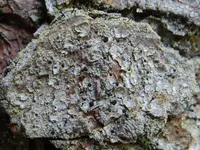
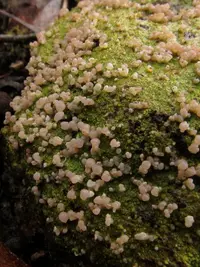
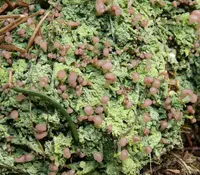
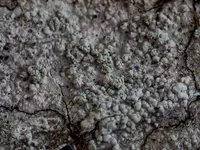
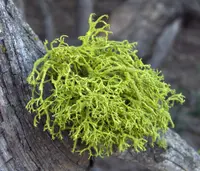
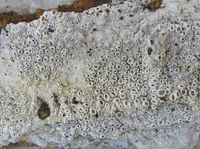
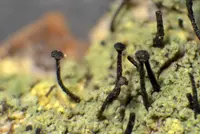
Dubious heath lichen, Cetraria muricata, is a fruticose lichen rather than a true plant. It forms small, upright, branched tufts with a rough, spiny surface. Colors range from pale green to brownish, especially when dry.

This lichen typically grows in cool, open heathlands, coniferous forests, and rocky sites across northern and montane regions. It is slow growing and sensitive to air pollution and habitat disturbance, which makes it challenging to cultivate.

Those who want to care for Dubious Heath Lichen should know it prefers clean air, stable cool conditions, and consistently moist but not waterlogged substrates, often on soil, moss, or decaying organic matter.

Main Plant Requirements

Care Difficulty

Hard Care

Light Preference

Partial Shade

Water Requirements

Low Water

Temperature Preference

Cold Hardy

Hardiness Zone

2–6

Soil Texture

Sandy, Rocky, Peaty

Soil pH

Strongly acidic (4.5–5.5)

Soil Drainage

Well-drained

Fertilization

Minimal (feed rarely)

Get Personalized Care Plan

Scan your plant to receive care tips personalized for your specific plant

Available on iOS and Android

How to Care for the Dubious Heath Lichen

This lichen prefers cool, bright outdoor conditions with limited direct sun exposure.

  • Provide 2–4 hours of gentle morning sun with bright, open shade or dappled light the rest of the day to mimic heathland conditions for Dubious Heath Lichen.
  • Avoid strong midday and afternoon sun; intense exposure can dry and bleach the thallus, causing crisp, brittle tips and pale, scorched patches.
  • In summer, favor filtered light under low shrubs; in winter, slightly more open exposure is acceptable as the sun is weaker at higher latitudes.

This species is adapted to natural wet–dry cycles rather than steady soil moisture.

  • Allow the substrate or ground surface to dry completely between wetting events; Cetraria muricata absorbs moisture mainly from rain, fog, and humidity.
  • Use very free-draining, sandy or rocky media so water runs through quickly; prolonged saturation encourages rot, algae, and competing moss growth.
  • In dry, warm periods, occasional misting or light overhead watering is enough; signs of stress include prolonged brittleness and dull, faded color, while limp, dark patches suggest overmoist conditions.

This lichen is cold hardy and prefers cool to cold climates with only moderate summer warmth.

  • Optimal growth usually occurs around 40–60°F (4–16°C), common in boreal and subalpine habitats, with slow but steady activity during cool, moist weather.
  • It tolerates very low temperatures, often down to at least 5°F (-15°C) or lower, and survives repeated freezing as long as air remains relatively clean and not overly polluted.
  • Heat tolerance is limited; extended periods above 77–82°F (25–28°C), especially when dry and sunny, can cause desiccation, so provide shade and some moisture during hot spells.

This lichen prefers cool, consistently moist air and does not thrive in dry indoor conditions.

  • Aim for 60–90% humidity by placing it outdoors in humid climates or in a shaded, naturally damp spot.
  • Dry, heated indoor air causes brittleness, fading color, and slow growth as early signs of humidity stress.
  • Increase humidity by using a cool-mist humidifier nearby, grouping moisture-loving plants, or placing it over but not in a shallow pebble-and-water tray.

In cultivation, this lichen does best anchored to a very lean, fast-draining, acidic substrate rather than conventional potting soil.

  • Use a mix of coarse sand, fine gravel, and a small amount of acidic organic material such as peat or conifer needle litter.
  • Keep structure open and gritty so water drains within minutes and air can reach attachment surfaces.
  • Target an acidic reaction around pH 4.5–6.0, similar to heath or conifer forest floors where Cetraria muricata often occurs.
  • Avoid rich, compact, or water-retentive mixes with high compost content, which encourage rot and competing mosses or algae.

This species can be grown in shallow containers mainly as a mounted or terrarium-style specimen rather than a typical potted plant.

  • Choose a wide, shallow container so the thallus can spread laterally without staying wet at the base.
  • Use an unglazed clay tray or pot to let excess moisture evaporate more quickly from the substrate surface.
  • Elevate the container slightly so drainage holes never sit in standing water, preventing prolonged saturation of the lichen base.

This lichen gains nutrients mainly from rainwater and dust, so supplemental feeding for Dubious Heath Lichen is usually unnecessary and may be harmful.

Cetraria muricata needs almost no pruning, but limited cleanup helps maintain healthy, natural growth in cultivation.

  • Carry out any pruning in late winter or early spring, when conditions are cool and stable.
  • Gently remove only dead, detached, or clearly damaged lobes; avoid cutting into healthy tissue.
  • Use clean, blunt tweezers or fingers to lift away debris without tearing the thallus surface.
  • Minimal interference preserves its natural shape and prevents stress to the symbiotic fungus–algae partnership.

This species is usually grown attached to bark, rock, or substrate pieces rather than in standard pots, so transplanting is rare and should be done cautiously.

  • Transplant only when the support is crumbling, contaminated, or no longer drains well.
  • Choose cool, humid weather and avoid very hot or very dry periods to limit stress.
  • Gently lift entire clumps with a thin tool and move them onto fresh, inert, well-drained material such as bark or rock.
  • Handle only the edges, keep roots or holdfasts intact, and mist lightly after moving to maintain humidity.

Propagation of Cetraria muricata is slow and specialized, so it is generally left to develop naturally rather than actively multiplied.

This cold-hardy lichen tolerates freezing and snow well and needs no special winter care in most outdoor conditions.

  • Allow natural moisture cycles from rain and snow; avoid covering it with airtight wraps or plastics.
  • For mounted pieces in extreme wind, place in a sheltered but bright outdoor spot to reduce desiccation.
  • Indoor displays can be kept near a cool window, avoiding direct heating sources that cause excessive drying.

Care Tips

Mounting Substrate Choice

Attach the lichen to rough, inert materials like untreated bark, cork, or lava rock rather than soil, which keeps the holdfasts aerated and mimics its natural host surfaces.

Airflow Management

Position the culture in a location with gentle, constant air movement (for example near but not in front of a fan) to reduce stagnant moisture and lower the risk of rot and opportunistic fungi.

Moisture Cycling Routine

Use a fine-mist sprayer to wet the thallus thoroughly, then allow it to dry fully before the next misting cycle so the lichen alternates clearly between hydrated and dry states as it does in nature.

Clean Water Selection

Hydrate the lichen with rainwater, distilled water, or reverse-osmosis water to avoid mineral and salt buildup that can gradually damage sensitive lichen tissues.

Contamination Control

Inspect the thallus regularly and remove any moss, algae film, or invading small plants with tweezers so that slower-growing Dubious Heath Lichen is not outcompeted over time.

Common Pests and Diseases

Air pollution injury

Symptoms include bleaching, browning, or loss of lichen thallus, often on the side facing roads or industry sources. This problem reflects the high sensitivity of this lichen to sulfur dioxide, nitrogen oxides, and other airborne pollutants.

Solution

Reduce exposure by keeping collected Cetraria muricata material in areas with clean, well-ventilated air away from traffic, smoke, or gas appliances, and avoid displaying it in enclosed, poorly ventilated rooms. If parts are already damaged, remove the most affected fragments and maintain stable humidity and good air movement to help the remaining thalli recover slowly.

Excessive UV and heat stress

Symptoms include pale, bleached, or brittle lobes that crumble when handled, especially in direct sun or near heat sources. This stress occurs when the lichen dries too fast and is overexposed to intense light and warmth.

Solution

Provide bright but indirect light, avoiding direct midday sun, and keep the lichen away from heaters, radiators, or hot windowsills. Rehydrate gently with light misting in cool conditions and allow slow drying with good airflow rather than rapid temperature swings.

Prolonged waterlogging damage

Symptoms include dark, water-soaked patches, softening, and eventual disintegration of parts of the thallus after long periods in standing water or saturated substrate. This condition arises because the lichen is adapted to cycles of wetting and drying, not constant submersion.

Solution

Keep the lichen on a freely draining, non-compact surface such as coarse bark, rocks, or a loose substrate and avoid trays that hold standing water. If sections have softened and begun to break down, remove the worst areas, then allow the remainder to dry fully in cool, moving air before resuming a moderate mist-and-dry cycle.

Lichenicolous fungi

This disease is indicated by small dark spots, pustules, or localized discoloration that spread gradually across the thallus. These fungi live on lichens and can weaken or kill affected parts over time, especially in overly damp, stagnant conditions.

Solution

Improve air movement and reduce constant surface wetness by spacing pieces, avoiding closed jars, and allowing full drying between misting. Remove and discard heavily colonized fragments to limit spread, and maintain the rest under cooler, drier, and better-ventilated conditions to slow the fungus.

Grazing by mites and small invertebrates

This pest activity shows as fine nibbling damage on lobe tips, scattered tiny holes, or irregular thinning of the thallus, often noticed on stored or displayed collections. These invertebrates feed on lichen tissues or associated microorganisms, gradually reducing biomass and aesthetic quality.

Solution

Inspect stored material regularly and gently tap or brush to dislodge visible mites or small insects, then shake debris out over a clean surface. Store or display the lichen in clean, dry, well-ventilated containers or frames, and if grazing continues, briefly place the material in a cooler, low-humidity environment to discourage invertebrate activity without soaking or sealing it.

Interesting Facts

Boreal heath specialist

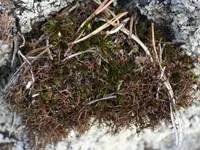
This lichen is strongly associated with dry, open boreal heaths and lichen woodlands, especially in northern Europe and parts of boreal North America, where it forms low, tufted mats on nutrient-poor, acidic soils.

Distinct spiny branching

The thallus shows densely branched, narrow, cylindrical lobes that are covered with short, spine-like side branches, giving the surface a rough, muricate appearance that helps distinguish it from related Cetraria species.

Indicator of old lichen heaths

Populations are often most abundant in long-undisturbed, dry heath and forest-lichen communities, so its presence can indicate relatively stable, low-nutrient conditions with limited recent soil disturbance.

FAQs about Dubious Heath Lichen

This lichen performs best outdoors in cool, clean air with stable moisture, typically on soil, rock, or heathland shrubs. Indoors, air quality, low light, and stagnant humidity usually cause decline, so long‑term indoor cultivation is unreliable.

Grow Healthy Plants with Botan Care

Keep your plants happy and healthy with plant identification, disease detection, and easy care guidance.

Botan plant care app — identify plants on mobile

Explore More Plants