Baeomyces heteromorphus Care

Baeomyces heteromorphus

About Baeomyces heteromorphus

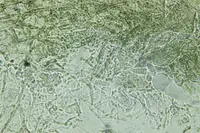
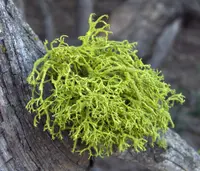
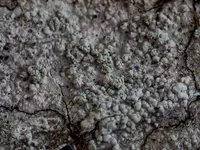
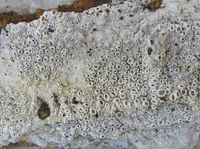
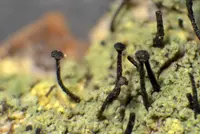
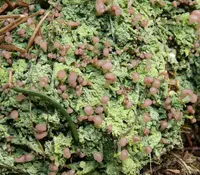
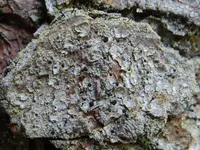
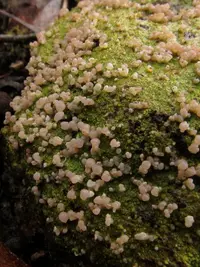
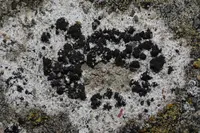
Baeomyces heteromorphus is a crustose lichen, not a true plant, commonly found on acidic rocks, soil, and old walls in temperate regions. It forms pale, crusty patches dotted with tiny pinkish to brown button-like fruiting bodies. These structures give it a granular, speckled look that can be quite distinctive at close range. It usually grows slowly and prefers clean, humid air, which makes it sensitive to pollution and disturbance. Because it relies on a stable surface, consistent moisture, and good air quality, it is not simple to cultivate at home. Those who wish to care for Baeomyces heteromorphus should aim to mimic a cool, lightly shaded, moist, and low-nutrient habitat.

Main Plant Requirements

Care Difficulty

Moderate Care

Light Preference

Partial Shade

Water Requirements

Moderate Water

Temperature Preference

Cool Climate

Hardiness Zone

5–9

Soil Texture

Rocky, Sandy, Loamy

Soil pH

Strongly acidic (4.5–5.5), Acidic (5.5–6.5)

Soil Drainage

Well-drained

Fertilization

Minimal (feed rarely)

Get Personalized Care Plan

Scan your plant to receive care tips personalized for your specific plant

Available on iOS and Android

How to Care for the Baeomyces heteromorphus

This crustose lichen prefers cool, lightly shaded conditions rather than strong, direct sun.

  • Provide bright dappled light or open shade, such as north-facing rock surfaces or woodland edges with 1–3 hours of gentle morning sun.
  • Avoid intense midday or afternoon sun, which can desiccate the thallus and bleach Baeomyces heteromorphus, especially on exposed rock or sandy substrates.
  • In summer, increased shade from surrounding vegetation is beneficial, while in winter more open light is acceptable as long as surfaces do not overheat.

Moisture for this lichen comes mainly from rain, dew, and ambient humidity rather than deep root uptake.

  • Allow the substrate surface to dry lightly between natural wetting events; consistently soggy conditions encourage algal overgrowth and can smother the lichen.
  • Watch the thallus: prolonged crisp, brittle patches that do not rehydrate after rain suggest chronic dryness, while slimy or dark, collapsing areas point to excess moisture.
  • Ensure excellent drainage on rock, bark, or gritty soil so water runs off quickly, but seasonal autumn–spring rains can keep the surface moist for longer without pooling.

This species is adapted to cool to mild climates with pronounced seasonal variation.

  • Optimal activity typically occurs around 45–68°F (7–20°C), when surfaces stay moist for longer and metabolic processes can proceed without overheating.
  • The lichen tolerates winter drops near 14°F (-10°C) or slightly lower when frozen in a dry state, but rapid freeze–thaw on saturated substrates can cause mechanical damage.
  • Heat tolerance declines above about 77–86°F (25–30°C), so exposed rock should be shaded in hot seasons to reduce surface temperatures and limit desiccation stress.

This crustose lichen is highly tolerant of low humidity and usually does not require active humidity management.

Baeomyces heteromorphus grows best on mineral, low-nutrient substrates that mimic its natural rocky habitats.

  • Use a gritty mix of 60–70% coarse sand or fine gravel with 30–40% low-organic mineral soil or sterile, sieved substrate.
  • Keep drainage very sharp so water runs through within seconds, preventing any prolonged saturation around the thallus base.
  • Maintain slightly acidic to neutral conditions around pH 5.0–7.0, avoiding lime-rich or strongly alkaline materials unless locally natural.
  • Avoid rich composts, manures, or peat-heavy mixes, which hold moisture and nutrients that encourage competing mosses and algae.

This lichen can be grown in shallow containers mainly for observation rather than ornamental effect.

  • Choose a wide, shallow tray so the substrate stays stable and thin, similar to a rock surface rather than a deep pot profile.
  • Drill or use multiple small drainage holes and elevate the tray slightly so runoff leaves quickly and the base never sits in water.
  • Secure the mineral substrate with a top layer of fine gravel so watering or rain does not dislodge the slow-growing Baeomyces heteromorphus colonies.

This crustose lichen grows on nutrient-poor substrates and usually does not need any fertilization in cultivation.

As a crustose lichen, Baeomyces heteromorphus does not form true stems or leaves and requires no pruning.

Transplanting is rarely necessary and often risky, as this lichen is highly adapted to its original substrate.

  • Only consider moving small substrate pieces if the original rock or soil must be disturbed or removed.
  • Carry out any transplanting in cool, moist weather to limit desiccation stress on the thallus and algal partner.
  • Lift and transfer thin flakes of substrate intact rather than peeling the lichen itself from the surface.
  • Keep the new site with similar light, moisture, and substrate conditions to give the transplanted fragments a chance to re-establish.

Intentional propagation of this lichen is specialized and not recommended for typical home cultivation, so it is usually left to spread naturally.

This species is naturally cold hardy and generally needs no special winter care outdoors in suitable climates.

Care Tips

Stable substrate choice

Establish colonies on inert, long-lasting materials like granite, hard sandstone, or unglazed clay tiles rather than soft wood or loose soil, which break down faster and destabilize the lichen mat.

Avoid nutrient enrichment

Keep the surrounding area free from fertilizers, compost, road salt, and runoff from fertilized lawns, since nutrient-rich conditions allow faster-growing mosses and algae to overtake the lichen patches.

Control competing mosses

If moss or liverworts start to grow over the colony, gently tease them away with tweezers or a soft brush while the substrate is slightly damp to limit shading and smothering of the lichen.

Minimize handling damage

Handle rocks or tiles by the edges and avoid touching the thalli directly, because oils and abrasion from fingers damage the delicate surface and slow regrowth.

Replicating wild microclimates

When growing Baeomyces heteromorphus in a trough or dish garden, angle the host rock and position it where it receives similar exposure and splash patterns as in nature, such as near the edge of a path or rock where fine soil particles and light moisture occasionally collect.

Common Pests and Diseases

Lichenicolous fungi

This disease is caused by specialized fungi that live on lichens and form dark spots, galls, or overgrowing patches on the thallus and fruiting bodies. Symptoms include discoloration, deformity, or local death of small lichen areas.

Solution

Remove and discard heavily colonized cushions to reduce spread, and avoid overhead watering or misting that keeps the lichen wet for long periods. Improve air movement around the substrate and, if kept in a controlled setting, reduce prolonged surface moisture while keeping the overall environment cool and humid to protect the rest of the colony.

Mite damage

This pest includes tiny mites that feed on lichen tissues, leaving fine speckling, pale bite marks, or roughened areas on the thallus surface. Symptoms include reduced vigor and a dusty or grainy appearance under close inspection.

Solution

Gently rinse the lichen with cool, clean water to dislodge mites and avoid using soaps or oils that can smother the lichen. In enclosed displays, lower temperatures slightly, increase air movement, and quarantine affected substrates so mites do not spread to other lichen samples, which supports careful Baeomyces heteromorphus care.

Snail and slug grazing

These insects and mollusks feed on soft lichen tissues, creating irregular bare patches, grazed edges, and small bite marks in cushions. Symptoms include missing sections of thallus and slime trails on rocks or surrounding surfaces.

Solution

Physically remove snails and slugs by hand and use barriers such as copper tape or rough mineral grit around display trays or rock gardens. Keep surrounding areas free of decaying plant matter that shelters these grazers and, in outdoor sites, limit overwatering that attracts them.

Algal overgrowth

This disease-like condition occurs when free-living algae spread over the lichen surface as a green film, especially in constantly wet, nutrient-enriched conditions. Symptoms include a bright green smear or coating that obscures the pinkish to gray lichen beneath and may slow its growth.

Solution

Reduce nutrient inputs such as fertilizer drift or runoff and avoid standing water on the substrate. Provide brighter, indirect light and better air circulation so surfaces dry between wet periods, and mechanically remove heavy algal films with a soft brush and clean water, taking care not to abrade the lichen.

Interesting Facts

Bubble lichen morphology

This lichen forms small, warted pink to pale brown apothecia (fruiting bodies) that look like tiny bubbles or pins emerging from a granular, crusty thallus on rock or soil.

Acid-loving pioneer

It typically colonizes very acidic, nutrient-poor substrates such as siliceous rocks, acidic soils, and old mine spoil, acting as an early successional species that slowly contributes organic matter to harsh habitats.

Pollution sensitivity

This species is sensitive to atmospheric pollutants such as sulfur dioxide, so its presence is often associated with relatively clean air and low industrial impact in the surrounding area.

Botan icon

Did you know?

The species name heteromorphus refers to its variable form, reflecting how its thallus and fruiting bodies can change appearance depending on microhabitat conditions such as light, moisture, and substrate acidity.

FAQs about Baeomyces heteromorphus

This crustose lichen spreads slowly by expanding its crust and releasing tiny fungal spores. It does not form invasive mats like some mosses, so it is generally non-aggressive in gardens, terraria, or rock displays.

Grow Healthy Plants with Botan Care

Keep your plants happy and healthy with plant identification, disease detection, and easy care guidance.

Botan plant care app — identify plants on mobile

Explore More Plants