world map lichen Care (Rhizocarpon geographicum)

Also known as: Yellow map lichen; World map lichen, yellow map lichen, map lichen
world map lichen

About world map lichen

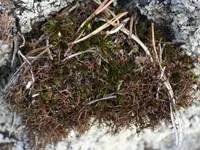
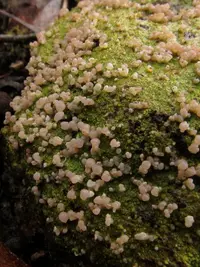
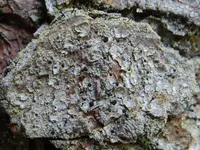
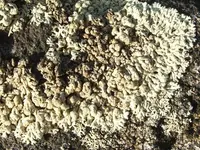
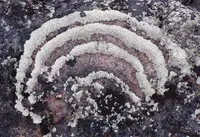
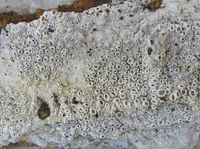
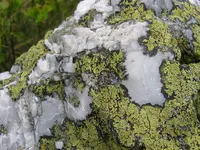
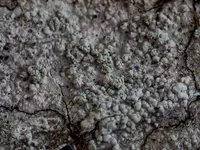
World map lichen, Rhizocarpon geographicum, is a crust-forming lichen rather than a traditional plant. It grows tightly attached to rock surfaces, creating patchy, map-like patterns of yellow-green surrounded by dark borders. The surface is usually flat and cracked, resembling a tiny mosaic.

This lichen naturally occurs in cold, exposed mountain and coastal regions, especially on stable, unpolluted rock. It grows very slowly and is sensitive to air pollution and frequent handling, which makes it challenging to keep in artificial settings. Those wanting to learn how to care for world map lichen should know it prefers clean air, stable rock, cool conditions, and only gentle, indirect moisture.

Main Plant Requirements

Care Difficulty

Hard Care

Light Preference

Full Sun

Water Requirements

Low Water

Temperature Preference

Cold Hardy

Hardiness Zone

2–8

Soil Texture

Rocky, Sandy

Soil pH

Strongly acidic (4.5–5.5), Acidic (5.5–6.5)

Soil Drainage

Well-drained

Fertilization

Minimal (feed rarely)

Get Personalized Care Plan

Scan your plant to receive care tips personalized for your specific plant

Available on iOS and Android

How to Care for the world map lichen

This crustose lichen thrives in strong light on exposed rock surfaces in its natural habitat.

  • Provide 6–10 hours of direct sun daily, especially in cool or alpine climates where light levels are high but temperatures stay low.
  • In warmer lowland sites, favor morning sun with light afternoon shade or bright reflected light to limit overheating of rock surfaces.
  • If nearby vegetation grows and shades the rock for most of the day, the thallus may thin or stop expanding due to insufficient light.

This lichen is highly drought tolerant and relies on brief wetting rather than regular soil-style watering.

  • On natural rock, allow the surface to dry completely between wetting; occasional rain or light hosing that fully wets, then drains away, is usually enough.
  • Use sharply draining mineral substrate or bare rock so liquid runs off within minutes and does not pool around the thallus.
  • Signs of excess moisture include algal films, softening, or dark slimy patches, while long-term pale, brittle areas suggest prolonged dryness beyond normal dormancy.

This species is strongly cold hardy but grows best within a moderate temperature range when moisture and light align.

  • Active growth typically occurs around 40–68°F (4–20°C), especially in cool, moist seasons with stable rock temperatures.
  • Rhizocarpon geographicum tolerates severe cold well below 0°F (-18°C) and survives long freezing periods without protection.
  • Sustained heat above 86°F (30°C), especially on dark rock in full sun, can overheat and desiccate the lichen, so higher-elevation or north-facing exposures are safer in hot regions.

This crustose lichen prefers cool, open air with consistently low humidity.

  • Target 30–50% humidity; high humidity with stagnant air encourages algal overgrowth and surface darkening.
  • It tolerates very dry air if the thallus can periodically rehydrate from rain, mist, or brief soaking.
  • Humidity stress shows as prolonged bleaching or loss of crisp, cracked pattern; reduce moisture retention around the colony.
  • To raise humidity slightly outdoors, position near rough stone that cools at night and condenses light dew.

This species grows best attached to bare, mineral rock rather than true soil.

  • Rhizocarpon geographicum anchors to stable, hard substrates such as granite or other siliceous rock, not organic-rich potting media.
  • Keep the surface extremely free-draining; mimic rock by using a slab or a mix of 70–80% coarse grit with 20–30% low-organic sand.
  • Aim for slightly acidic conditions, roughly pH 5.0–6.5, avoiding lime-rich or strongly alkaline materials that slow colonization.
  • Improve aeration and drainage by avoiding fines and clays; never bury the lichen in substrate, only press it gently onto the clean rock-like surface.

This lichen can be grown in containers only when mounted on rock or rubble rather than in standard pots of substrate.

  • Use a wide, shallow, heavy container to stabilize the rock and prevent movement that would disrupt the crustose attachment.
  • Fill around the rock with coarse gravel so water drains immediately away from the lichen surface after rain or irrigation.
  • Position the container so wind can pass across the rock face, preventing prolonged surface wetness that would favor moss or algae over the lichen.

Rhizocarpon geographicum is a slow-growing lichen that generally does not benefit from supplemental fertilizer in cultivation or on natural rock surfaces.

Rhizocarpon geographicum does not require active pruning; its growth pattern stays naturally low and compact on rock surfaces.

This lichen is rarely grown in pots, so care focuses on transplanting small rock sections rather than traditional repotting.

  • Transplant only when needed, such as moving a colonized rock to a more suitable light or moisture environment.
  • Choose cool, mild weather in spring or fall to reduce desiccation stress during relocation.
  • Move intact rock chips or slabs with the lichen crust undisturbed; avoid scraping or peeling thalli from the rock.
  • Keep the new site stable, with similar exposure and good air movement, and avoid handling until growth slowly resumes.

Propagation of Rhizocarpon geographicum is slow and technically challenging, so it is seldom attempted by casual growers.

World map lichen is naturally very cold hardy and typically requires no special winter care outdoors on rock surfaces.

Care Tips

Substrate choice

Attach thalli only to hard, non-calcareous, rough stone (such as granite or basalt) that will not flake, since this lichen anchors slowly and needs a chemically stable surface for decades.

Secure initial contact

To establish new patches, gently press lichen fragments onto the chosen rock and hold them in place with a loose mesh or breathable fabric for several months so they are not dislodged by wind or splashing water.

Avoid nutrient enrichment

Keep the rock surface free of soil, fertilizer runoff, and decaying leaves, because excess nutrients favor algae and moss that quickly overgrow and shade the lichen.

Minimize physical disturbance

Place rocks where shoes, tools, pets, and irrigation spray will not hit the lichen directly, since even light abrasion or frequent wetting and drying cycles from sprinklers can slow growth significantly.

Monitor air quality

Position colonies away from busy roads, chimneys, or firepits and use their color and coverage as a long-term indicator of local air quality when planning long-term Rhizocarpon geographicum care instructions.

Common Pests and Diseases

Air pollution damage

Symptoms include fading or bleaching of the lichen thallus, loss of the bright yellow-green color, and gradual dieback of patches closest to pollution sources. This disease reflects sensitivity to sulfur dioxide, nitrogen oxides, and other urban or industrial pollutants.

Solution

Protection depends on avoiding placement near busy roads, chimneys, or other strong pollution sources and maintaining the lichen in areas with consistently good air quality. If possible, move colonized rocks to locations with cleaner air and stable airflow; new growth will only establish where pollutant levels are low enough for normal photosynthesis and respiration.

Excess nutrient enrichment

This disease appears as overgrowth of darker green algae or nitrophilous lichens around or over the world map lichen, with the yellow crust shrinking or fragmenting. This condition is usually caused by fertilizer drift, agricultural runoff, or bird droppings providing too much nitrogen and other nutrients.

Solution

Limit any fertilizer use or runoff near the rocks that host the lichen and avoid placing it directly below bird feeding areas or manure storage. Rinse rocks gently with clean, low-mineral water after accidental nutrient spills and keep the surface otherwise dry and nutrient-poor so existing thalli can stabilize and new Rhizocarpon geographicum growth can slowly recolonize the rock.

Overgrowth by mosses

Symptoms include gradual shading and physical coverage of the crust by small moss cushions, especially in moist, shaded exposures. This overgrowth reduces light to the lichen surface and traps water for long periods, which stresses the lichen and can kill outer zones of the thallus.

Solution

Manually remove mosses with fine tweezers or a soft brush, lifting them off the rock surface without scraping the lichen. After removal, adjust exposure to slightly drier, more open conditions with good air movement and only intermittent moisture so moss has less opportunity to reestablish while the lichen maintains adequate humidity for slow growth.

Rock-surface biofilm

This disease presents as a slimy green or brown film that coats damp rock surfaces, making the lichen edges look submerged or dirty. This biofilm is formed by free-living algae and bacteria that compete with the lichen for space and can block light.

Solution

Reduce continuous wetness by improving drainage and exposure to airflow, and avoid misting or soaking the rock for long periods. In small indoor or controlled displays, gently rinse with clean water and lightly brush only the bare rock, taking care not to abrade the lichen; then allow surfaces to dry fully between hydration events as part of careful Rhizocarpon geographicum care.

Interesting Facts

Early crust pioneer

This lichen is among the first organisms to colonize bare rock in alpine and polar regions, slowly forming a thin biological crust that allows mosses and other lichens to establish later.

Natural rock age marker

Its slow and relatively regular radial growth has been used in lichenometry, a dating method that estimates the exposure age of rock surfaces such as moraines, gravestones, and old buildings.

Map-like color pattern

The thallus often forms bright yellow-green patches with dark boundaries between areoles, creating a pattern that resembles a topographical map and gives rise to its common name, world map lichen.

Botan icon

Did you know?

Individual colonies of this species can live for many centuries, and in some cold, high-altitude sites, mapped thalli have shown virtually no detectable change over human lifetimes, indicating extremely slow but long-term stable growth.

FAQs about world map lichen

Growth is extremely slow. In natural conditions, this species often adds only 0.1–1 mm of new growth per year. Growth rate depends strongly on rock type, moisture, air quality, and temperature stability.

Grow Healthy Plants with Botan Care

Keep your plants happy and healthy with plant identification, disease detection, and easy care guidance.

Botan plant care app — identify plants on mobile

Explore More Plants