Hidden goldspeck lichen Care (Candelariella aurella)

Also known as: eggyolk lichen
Hidden goldspeck lichen

About Hidden goldspeck lichen

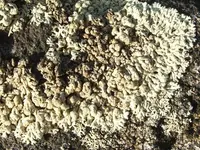
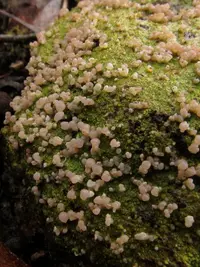
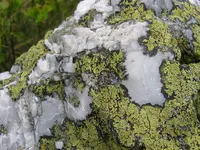
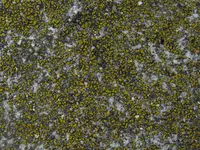
Hidden goldspeck lichen, Candelariella aurella, is a crustose lichen that forms thin, tightly attached patches on stone, concrete, and old walls. Its surface shows tiny, bright yellow to orange fruiting structures that give a dusted or speckled look.

This species occurs widely in temperate regions, especially in urban and rural areas with exposed, calcareous or man‑made stone. It is slow growing but very resilient, tolerating drought, cold, and poor substrates, which makes it relatively easy to maintain where it naturally colonizes.

Understanding how to care for Hidden goldspeck lichen mainly involves providing stable surfaces, clean air, and undisturbed conditions rather than traditional watering or fertilizing.

Main Plant Requirements

Care Difficulty

Easy Care

Light Preference

Full Sun

Water Requirements

Low Water

Temperature Preference

Cold Hardy

Hardiness Zone

3–9

Soil Texture

Rocky, Sandy

Soil pH

Slightly acidic (6.5–7.0), Neutral (7.0)

Soil Drainage

Well-drained

Fertilization

Minimal (feed rarely)

Get Personalized Care Plan

Scan your plant to receive care tips personalized for your specific plant

Available on iOS and Android

How to Care for the Hidden goldspeck lichen

This crustose lichen thrives in bright, open conditions and is strongly sun-loving.

  • Provide 6–10 hours of direct sun daily; full sun suits most natural populations on rocks, roofs, and exposed bark.
  • Hidden goldspeck lichen tolerates light partial shade, but color becomes duller and growth slows when sun falls below about 4 hours per day.
  • In hot inland summers, favor morning to midday sun and avoid strongly reflective metal or glass surfaces that can scorch tissue.

This rock- and bark-dwelling lichen is adapted to very dry conditions and should not be kept moist.

  • Allow substrates to dry completely between natural wetting events; the surface should feel dry and look pale before the next soaking rain or misting.
  • If cultivating Candelariella aurella, water lightly only when prolonged drought causes the thallus to stay brittle and shrunken for weeks.
  • Avoid standing water and constantly wet surfaces, which encourage algae growth and decay; dark, mushy patches indicate chronic overwatering.

This species is highly tolerant of temperature swings but has a preferred band for active growth.

  • Best growth occurs around 50–77°F (10–25°C), typical of cool to mild seasons in many temperate regions.
  • The lichen survives short drops near 5°F (-15°C) when dry, but repeated freeze–thaw on wet surfaces can damage the thallus.
  • Heat above 95°F (35°C), especially on dark rock or metal, can overheat tissue; some shading or airflow helps during extreme summer heatwaves.

This crustose lichen tolerates a very wide humidity range and rarely needs active humidity management.

  • It remains active and photosynthesizes best around 40–70% humidity but survives long dry spells by going dormant.
  • Dry indoor air usually does not harm Hidden goldspeck lichen unless paired with strong, hot airflow that scorches the substrate.
  • If margins turn brittle and pale, mist the surrounding surface lightly in the morning rather than spraying the thallus heavily.

This lichen anchors to hard, mineral substrates rather than growing in conventional potting soil.

  • In nature, Candelariella aurella colonizes exposed rock, concrete, tiles, and mineral-rich masonry with almost no organic matter.
  • For cultivation, use a shallow tray filled with coarse sand or fine grit, then place flat stones or concrete fragments on top as the true substrate.
  • Ensure extremely rapid drainage; any water should run off the rock surface within seconds and never pool around the lichen.
  • Avoid organic-rich, moist, or compact mixes, which encourage algae and moss that can overgrow and shade the thallus.

This species can be kept in containers only as a display for colonized stones or masonry pieces, not as a typical potted plant.

  • Use a wide, shallow tray to keep colonized stones stable and prevent them from tipping during handling or watering nearby plants.
  • Choose a heavy or low-center-of-gravity container if the mounted substrate is tall or uneven so the setup does not shift outdoors in wind.
  • Leave ample open space around stones for air movement, which keeps the surface dry between wetting events and limits competing moss growth.

Candelariella aurella, often called hidden goldspeck lichen, does not benefit from added fertilizer in typical garden or landscape settings.

Candelariella aurella needs virtually no pruning, since lichens do not respond to cutting like vascular plants.

This lichen is normally grown on natural outdoor substrates, so repotting or transplanting is uncommon and often unsuccessful.

  • Transplant only if the original substrate will be destroyed, such as during construction or tree removal.
  • Work during cool, moist weather to limit desiccation stress and keep handling time very short.
  • Move small pieces of the substrate bearing intact lichen rather than trying to lift the thallus alone.
  • Place the substrate fragment on a similar new surface with good air movement and avoid burying or covering the lichen.

Propagation of Candelariella aurella is specialized, slow, and rarely attempted by home growers.

This lichen is naturally cold hardy across a wide range of climates and needs no special winter care from the gardener.

Care Tips

Choose stable substrate

Establish colonies on long-lasting, non-crumbly mineral surfaces such as stable limestone, concrete, old brick, or siliceous rocks so the lichen thallus is not lost when softer material erodes or flakes away.

Limit surface competition

Gently brush away loose moss, algae film, or soil crusts from the chosen rock or wall section so young thalli have bare mineral surface to colonize instead of being shaded or smothered.

Avoid nutrient enrichment

Site colonies away from heavy fertilizer drift, bird feeding stations, or constant runoff from fertilized lawns, since nutrient enrichment favors fast-growing algae and mosses that can outcompete this lichen.

Control heavy splash

If placed near paths, downspouts, or sprinklers, reduce direct soil splash and strong water jets so the thin crust is not abraded or coated with mud that blocks light.

Monitor pollution exposure

When growing Hidden goldspeck lichen in urban areas, favor locations with lower traffic exhaust and dust deposition, and periodically rinse surfaces with gentle, low-pressure water if they accumulate soot or construction dust.

Common Pests and Diseases

Air pollution damage

Symptoms include fading or bleaching of the thallus, loss of the bright yellow color, and gradual dieback on surfaces exposed to traffic or industrial emissions. This problem is caused mainly by sulfur dioxide, nitrogen oxides, and heavy metals in the air.

Solution

Reduce exposure by avoiding collection or placement of host rocks or substrates near busy roads or industrial sites, and favor clean‑air locations with good air movement. Once damaged, affected lichen areas do not recover; focus on protecting remaining healthy patches and supporting new colonization in less polluted microhabitats as part of overall Candelariella aurella care instructions.

Nutrient and dust smothering

This condition appears as dull, dirty, or grayish patches where the lichen is coated with dust, soil particles, bird droppings, or nutrient-rich runoff. These deposits block light and disrupt gas exchange, gradually killing the lichen surface.

Solution

Gently rinse exposed rock or masonry surfaces with clean, low‑pressure water to remove loose dust without scrubbing the lichen itself, and redirect gutters or runoff so nutrient-rich water does not flow over colonies. Avoid fertilizer use, lime, or de‑icing salts above or near lichen‑covered stone, since these inputs encourage competing algae and can chemically stress the thallus.

Moss and algal overgrowth

This problem shows as green films or tufted moss gradually encroaching around and over the yellow lichen patches, especially in more shaded and damp spots. Over time, the moss or algae can shade out and physically displace the lichen.

Solution

Manually peel or tease away moss around lichen patches using fingers or soft tools, taking care not to scrape the lichen itself, and slightly increase light and airflow by trimming nearby vegetation if possible. Maintain drier, more open microhabitats on rock or masonry, since this favors the lichen over mosses and many green algae competitors.

Slug and snail grazing

These animals may rasp the lichen surface in damp, shaded locations, leaving irregular scraped patches, missing edges, or pale scars where the upper cortex has been removed. Damage tends to be most visible after wet periods.

Solution

Limit access by reducing dense ground vegetation that shelters slugs and snails near lichen‑covered stones and by lifting key rocks onto drier, more exposed spots that are less attractive to them. Where grazing is persistent, use barriers such as copper tape on small feature stones or hand‑remove slugs and snails during wet evenings rather than applying broad‑spectrum bait products on or above lichen-covered substrates.

Interesting Facts

Urban pavement specialist

This bright yellow crustose lichen is especially common on concrete, mortar, and calcareous paving stones in towns and cities, where it tolerates trampling, runoff, and alkaline substrates created by cement.

Calcium-loving physiology

It shows a strong preference for calcareous materials rich in calcium carbonate, such as limestone and lime mortar, because these substrates provide the alkaline conditions its symbiotic fungus and alga can best exploit.

Minute but conspicuous apothecia

The thallus often appears as tiny, scattered yellow granules, but it produces dense clusters of small, bright yellow apothecia (disk-like fruiting bodies) that give walls and kerbs a dusted, golden look when examined closely.

Botan icon

Did you know?

This species has expanded notably in many European urban areas over the last several decades, a shift often linked by lichenologists to reduced air pollution levels and the widespread availability of concrete and other calcareous building materials in modern cities.

FAQs about Hidden goldspeck lichen

This crustose lichen expands very slowly, often only 0.5–2 mm per year. Growth depends on clean air, stable surfaces like stone or old bark, and consistent moisture cycles. Disturbance or pollution can nearly stop expansion.

Grow Healthy Plants with Botan Care

Keep your plants happy and healthy with plant identification, disease detection, and easy care guidance.

Botan plant care app — identify plants on mobile

Explore More Plants