starry rosette lichen Care (Physcia stellaris)

Also known as: Star Rosette Lichen
starry rosette lichen

About starry rosette lichen

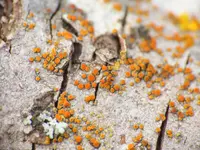
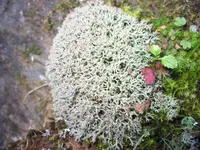
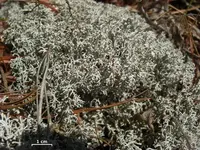
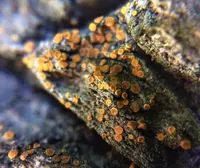
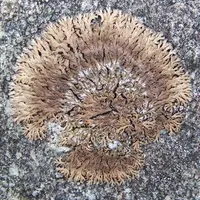
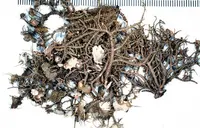
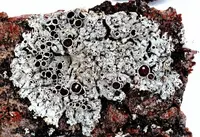
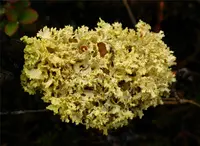
Starry rosette lichen (Physcia stellaris) is a foliose lichen, not a true plant, formed by a partnership between a fungus and photosynthetic algae. It typically appears as small, gray to blue-gray rosettes with narrow, radiating lobes and tiny dark fruiting bodies on the surface.

It often grows on nutrient-rich tree bark, fence posts, and rocks in temperate regions, including much of North America and Europe. This species generally tolerates a range of light levels and moderate moisture but is sensitive to heavy air pollution, which makes stable, clean air one of the main factors that affects how to care for starry rosette lichen in cultivation.

Main Plant Requirements

Care Difficulty

Moderate Care

Light Preference

Partial Shade

Water Requirements

Low Water

Temperature Preference

Cold Hardy

Hardiness Zone

3–9

Soil Texture

Rocky, Sandy, Loamy

Soil pH

Acidic (5.5–6.5), Slightly acidic (6.5–7.0)

Soil Drainage

Well-drained

Fertilization

Minimal (feed rarely)

Get Personalized Care Plan

Scan your plant to receive care tips personalized for your specific plant

Available on iOS and Android

How to Care for the starry rosette lichen

This lichen depends on light levels rather than soil, since it anchors to bark, rock, or other surfaces.

  • Provide bright, indirect light or open shade with about 2–4 hours of gentle morning sun; avoid intense, unfiltered afternoon sun in hot climates.
  • Starry rosette lichen tolerates partial shade, but dense, deep shade can slow growth and reduce its pale gray-green color contrast.
  • In exposed sites, monitor for bleaching or crisping in dry, high-sun summer periods and for thinning, dark, algae-rich patches when light is too low.

Physcia stellaris absorbs moisture from rain, fog, and humidity rather than from soil.

  • Allow surfaces like bark or rock to dry fully between wetting; the thallus should cycle between dry, crisp periods and hydrated, flexible periods.
  • In dry seasons, occasional light misting can help, but only on well-ventilated surfaces that dry within a few hours to prevent prolonged saturation.
  • Signs of stress include brittle, fragmenting lobes from extended drought or soft, discolored patches and algae growth from constantly wet conditions.

This lichen is highly temperature-tolerant but responds strongly to combined effects of temperature and moisture.

  • Optimal activity generally occurs around 40–75°F (4–24°C), when surfaces are moist; metabolism slows in hotter or colder extremes but the thallus often survives.
  • It withstands winter cold well, tolerating drops below 10°F (-12°C) when dry, but repeated freeze–thaw on wet tissue can damage delicate lobes.
  • Heat above 90°F (32°C), especially with strong sun and low humidity, increases desiccation stress, so some shade and airflow help reduce thermal load.

This lichen handles a wide humidity range but grows best with consistently moist air.

  • Aim for 50–80% humidity by placing it in sheltered outdoor spots or near moisture sources such as ponds or shaded stone walls.
  • Tolerates short dry spells, but fronds curl, pale, and become brittle when air stays very dry and windy.
  • Increase humidity by reducing direct wind exposure, misting lightly in the morning, or positioning near other moisture-retaining surfaces.

Physcia stellaris does not root in soil and instead anchors to bark, stone, or similar firm substrates.

  • Use rough, uncoated hardwood bark, natural stone, or old concrete with a slightly textured surface to promote attachment.
  • Keep the substrate free-draining and exposed to air; avoid burying the lichen in any organic mix, sand, or compost.
  • A slightly acidic to neutral surface (about pH 5.5–7) such as many tree barks and some rocks supports more stable growth.
  • Avoid fertilizers, rich organic layers, or constantly wet, muddy areas, which encourage competing mosses and algae that can smother the thallus.

This species can be maintained in containers only by mounting it on inert surfaces placed within the pot rather than in potting mix.

  • Set pieces of bark or rock loosely in a shallow, wide container so air moves freely around the lichen surfaces.
  • Choose a heavy, low pot to prevent tipping if the mounted substrate is tall or irregularly shaped.
  • Leave the substrate edges exposed above the container rim to dry quickly after rain or misting, preventing prolonged surface saturation.

Physcia stellaris is a lichen that relies on nutrients from its substrate and surrounding air, so it does not need added fertilizer in normal conditions.

Physcia stellaris needs only minimal intervention, focused on appearance and host health rather than stimulating new growth.

  • Best timing is late winter to early spring, when host trees or structures are inspected and other maintenance is planned.
  • Gently remove only dead, discolored, or obviously detached lobes while leaving firmly attached, healthy thalli intact.
  • Use soft brushes, a wooden stick, or gloved fingers instead of blades to avoid damaging the lichen surface.
  • Limit removal to small sections so the colony can continue its slow, natural expansion without major disturbance.

This lichen is usually grown on bark, rocks, or outdoor structures, so management focuses on careful transplanting rather than classic repotting.

  • Transplant only when a colony must be relocated, not on a schedule, since disturbance can slow growth and establishment.
  • Choose mild, moist weather in spring or fall so fragments experience less drying and temperature stress after moving.
  • Lift small pieces of substrate with the lichen attached instead of peeling it off, preserving the bonding layer.
  • Press the substrate piece firmly onto a similar new surface, then keep the area lightly humid and shaded for several weeks.

Propagation of Physcia stellaris is possible but slow, relying on vegetative fragments and natural dispersal rather than standard plant techniques.

  • Use small thallus pieces that include both upper surface and attachment layer, rather than trying to grow from spores indoors.
  • Early spring or fall with cool, moist air supports better establishment on new bark, stone, or outdoor pots.
  • Place fragments on a clean, similar substrate surface, then secure gently with breathable mesh or natural twine if needed.
  • Maintain high ambient humidity, good air flow, and bright shade, avoiding liquid fertilizers or heavy watering directly onto the lichen.

This species is cold hardy and usually needs no dedicated winter care in typical outdoor conditions across much of its range.

Care Tips

Substrate selection

Attach thalli only to stable, non-toxic surfaces such as untreated bark, natural stone, or old wood, and avoid freshly painted, metal, or pressure-treated materials that may leach harmful compounds.

Airflow optimization

Place mounted pieces in an open, breezy location rather than in enclosed glass containers so the lichen receives regular air exchange and dries fully between damp periods.

Moisture misting routine

Use a fine-mist spray bottle to lightly wet the lichen and its substrate during naturally humid times of day, such as early morning, then allow it to dry completely to limit mold and algal overgrowth when growing starry rosette lichen.

Pollution avoidance

Keep colonies well away from busy roads, chimneys, and indoor sources of fumes such as gas heaters or strong cleaning products, since air pollutants and smoke can quickly damage the thalli.

Gentle handling

Handle pieces only by the substrate, not by the lichen body itself, and limit repositioning so the fine attachment structures are not torn and the rosettes remain intact.

Common Pests and Diseases

Lichenicolous fungi

This disease involves specialized fungi that grow on the lichen thallus, causing discoloration, localized necrosis, or abnormal swellings. Symptoms include dark spots, raised wart-like structures, or bleached patches on the rosettes.

Solution

Remove and discard heavily infected lichen patches to limit spread, and avoid physical damage that creates entry points for these fungi. If the lichen is being conserved on a movable substrate (such as bark fragments in a terrarium), improve air circulation, reduce prolonged wetting, and keep conditions close to natural outdoor light and airflow patterns to keep Physcia stellaris care stable.

Mite grazing

This pest consists of small mites that feed on the lichen surface, leaving tiny pits, roughened texture, or dulled, dusty-looking patches. Symptoms include irregular thinning of the thallus and loss of the normal starry pattern in affected areas.

Solution

Gently rinse the lichen-bearing substrate with clean, non-chlorinated water to dislodge mites, then let it dry in good airflow. If the material is kept in a container, lower humidity slightly, avoid overcrowded setups, and inspect new substrates before adding them to reduce reinfestation.

Snail and slug feeding

These insects and mollusks graze on tender lichen margins, especially in damp, shaded settings, leaving ragged edges and missing patches of thallus. Symptoms include irregular bite marks and bare spots on bark or rock where rosettes previously grew.

Solution

Hand-remove snails and slugs during cool, damp periods and reduce hiding places such as dense debris around lichen-covered substrates. Physical barriers or copper tape on containers, along with keeping the area slightly drier, help limit further grazing while still preserving suitable humidity for the lichen.

Air pollution injury

This problem results from sensitivity to sulfur dioxide and other air pollutants, leading to bleaching, reduced growth, and eventual loss of thallus in exposed sites. Symptoms include fading color, dead central patches, and disappearance of rosettes on surfaces near traffic or industrial emissions.

Solution

If possible, relocate lichen-bearing branches or stones away from pollution sources such as busy roads or chimneys. For monitored or cultivated samples, maintain them in cleaner air with good ventilation and avoid smoke, aerosols, or chemical fumes to promote slow recovery and new growth at the margins.

Interesting Facts

Star-shaped lobe tips

This lichen is named for its small, star-like rosettes formed by narrow, radiating lobes with distinctly pruinose (frosted-looking) tips, which help distinguish it from many similar Physcia species on bark and rock.

Nitrogen-tolerant epiphyte

It is notably tolerant of moderate nitrogen pollution from traffic and agriculture, so it often persists on urban and roadside trees where more sensitive lichens disappear, making it useful as a coarse air quality indicator.

Symbiosis with green algae

P. stellaris partners specifically with green algae (Trebouxia species) as its photosynthetic symbiont, which allows it to colonize relatively exposed, sunlit tree bark in temperate regions.

Botan icon

Did you know?

Molecular studies have shown that what field lichenologists long treated as a single, very variable species complex has hidden genetic structure, and populations identified as Physcia stellaris have helped clarify species boundaries within the genus Physcia using DNA sequencing rather than morphology alone.

FAQs about starry rosette lichen

Growth is very slow. The thallus usually expands only 1–3 mm per year, depending on light, moisture, air quality, and substrate stability. Expect visible size changes only over several years, not months, when trying to grow Physcia stellaris.

Grow Healthy Plants with Botan Care

Keep your plants happy and healthy with plant identification, disease detection, and easy care guidance.

Botan plant care app — identify plants on mobile

Explore More Plants