Use inert substrates
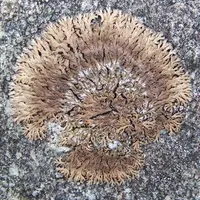
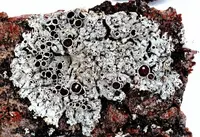
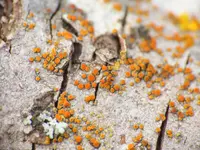
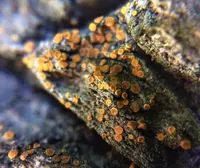
Mount the lichen on inert, low-nutrient materials such as old brick, bare rock, unglazed clay, or weathered bark to mimic its natural habitat and prevent excess nutrients that can harm the thalli.

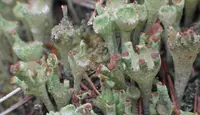
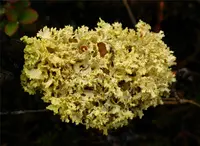
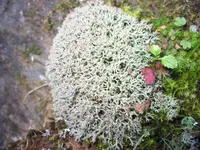
Cup lichen, Cladonia pyxidata, is a composite organism made of a fungus and photosynthetic partner, usually algae. It forms small, pale gray-green cups or trumpets on thin stalks, often dotted with powdery or granular surfaces.
This lichen commonly grows on rocks, old wood, sandy soil, and disturbed ground, especially in cool or temperate climates. It is slow-growing and sensitive to pollution, which makes it harder to keep in poor air quality or heavily handled displays.
Those who want to learn how to care for cup lichen should know it prefers bright, indirect light, steady moisture without waterlogging, and a free-draining, low-nutrient substrate.

Care Difficulty
Moderate Care

Light Preference
Partial Shade

Water Requirements
Low Water

Temperature Preference
Cold Hardy

Hardiness Zone
3–8

Soil Texture
Sandy, Rocky, Peaty

Soil pH
Strongly acidic (4.5–5.5), Acidic (5.5–6.5)

Soil Drainage
Well-drained

Fertilization
Minimal (feed rarely)
Scan your plant to receive care tips personalized for your specific plant
Available on iOS and Android
This lichen prefers bright, cool conditions that mimic open, rocky habitats.
Cladonia pyxidata absorbs water through its surface and prefers brief moisture followed by drying.
This species is cold-hardy and adapted to climates with wide temperature swings.
This lichen prefers cool, moist air but tolerates short dry periods if its substrate is not parched.
This species thrives on very lean, well-drained, mineral-based substrates rather than conventional potting soil.
This lichen can be grown in shallow containers when drainage and surface conditions closely mimic exposed rock or poor soil habitats.
This lichen gains most nutrients from rain, dust, and its substrate, so direct fertilizing is usually unnecessary.
Cladonia pyxidata requires almost no pruning; management is limited to light tidying when needed.
Transplanting Cladonia pyxidata focuses on moving small colony fragments onto suitable new substrates rather than traditional repotting.
Propagation of Cladonia pyxidata is done mainly by dividing and relocating small colony pieces rather than using spores.
This lichen is naturally cold hardy and usually needs no special winter care, even in freezing conditions.

Plant Health Check
Not sure what's wrong with your plant? Check your plant's health inside the app.
This species forms hollow, trumpet-shaped podetia topped with shallow cups whose rims often carry tiny squamules and fruiting bodies, giving it the classic goblet appearance used in lichen field guides.
It commonly colonizes acidic, nutrient-poor sites such as sandy soils, decaying wood, and weathered rock, helping stabilize the surface and contributing organic matter as it slowly breaks down.
Like many lichens, it absorbs water and nutrients directly from the air and rain, so its local decline or absence in suitable habitat is often associated with elevated air pollution, especially sulfur and nitrogen compounds.

Cladonia pyxidata can form dense, miniature lichen heath communities in boreal and temperate regions, where its cup-shaped podetia create a three-dimensional microhabitat that supports tiny invertebrates and influences moisture and temperature at the forest floor scale.
Growth is very slow. In good outdoor conditions, this species may add only a few millimeters of height and spread per year. Patience is essential when growing cup lichen, as visible changes often take several seasons.
Keep your plants happy and healthy with plant identification, disease detection, and easy care guidance.