lung lichen Care (Lobaria pulmonaria)

Also known as: Lungwort, Tree Lungwort, Tree Lungwort Lichen, lung moss, lungwort lichen, oak lungs, oak lungwort
lung lichen

About lung lichen

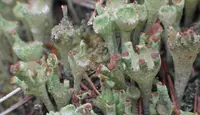
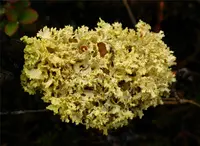
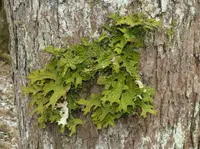
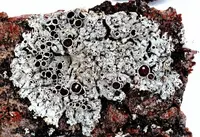
Lung lichen, Lobaria pulmonaria, is a large, leaf-like lichen rather than a true plant. It forms soft, lobed, green to brown patches that resemble leafy rosettes on tree bark and rocks. The surface often shows a textured, veined pattern, especially when moist.

This species naturally occurs in cool, humid forests across parts of Europe, North America, and Asia, where the air is very clean. It is slow-growing and sensitive to air pollution and drying out, which makes it challenging to keep in cultivation. To care for lung lichen, conditions must stay consistently cool, shaded, and evenly moist without strong sun or prolonged drought.

Main Plant Requirements

Care Difficulty

Hard Care

Light Preference

Partial Shade

Water Requirements

Keep Soil Moist

Temperature Preference

Cool Climate

Hardiness Zone

5–9

Soil Texture

Organic-rich, Peaty, Loamy

Soil pH

Strongly acidic (4.5–5.5), Acidic (5.5–6.5)

Soil Drainage

Moist but well-drained

Fertilization

Minimal (feed rarely)

Get Personalized Care Plan

Scan your plant to receive care tips personalized for your specific plant

Available on iOS and Android

How to Care for the lung lichen

This lichen requires low, diffuse light similar to a shaded, moist forest canopy.

  • Provide 0–2 hours of weak, early morning sun only, with the rest of the day in full shade or deep dappled shade.
  • Grow lung lichen on the north or east side of trees, rocks, or structures to avoid harsh midday and afternoon sun that scorches and dries tissue.
  • In summer, protect from any direct sun and drying winds; in winter, brighter but still shaded conditions are acceptable while surfaces stay moist.

This lichen depends on frequent surface moisture rather than deep soil watering.

  • Mist or gently hose the substrate whenever it feels dry to the touch, often daily in hot, windy weather and every few days in cool, humid periods.
  • Aim for a consistently damp surface on bark, rock, or soil, but avoid standing water or dripping conditions that encourage rot and algae growth.
  • Crisp, brittle Lobaria pulmonaria indicates underwatering, while slimy, foul-smelling patches or green algal overgrowth suggest excessive, stagnant moisture.

This species is adapted to cool, moist climates and dislikes heat and temperature extremes.

  • Support best growth in cool, stable conditions around 45–65°F (7–18°C), where surfaces stay damp for many hours after rain or mist.
  • Tolerates short dips to about 20°F (-7°C) if slowly acclimated, but repeated hard freezes with drying winds can desiccate and kill exposed thalli.
  • Heat above 75–80°F (24–27°C), especially with low humidity, quickly stresses the lichen; provide shade, airflow, and frequent misting during warm spells.

This lichen needs very high humidity to stay hydrated and photosynthetically active.

  • Target 80–100% humidity, mimicking constantly moist, foggy forest conditions.
  • Dry air quickly desiccates lung lichen; thalli curl, become brittle, and lose vivid green when stressed.
  • Increase humidity by mounting in a shaded, sheltered outdoor spot near mossy surfaces and regular fine misting, avoiding waterlogging.

Lobaria pulmonaria grows on bark or rock, so it does not need conventional soil but benefits from a carefully prepared mounting substrate.

  • Use a base of coarse, fibrous organic material such as long-fiber sphagnum moss over bark or hardwood to hold moisture without staying waterlogged.
  • Ensure excellent aeration by keeping the lichen loosely attached so air can move freely around the thallus surface.
  • Maintain a slightly acidic to neutral environment (pH 5.0–7.0) by choosing untreated, non-alkaline bark or stone and avoiding lime-based additives.
  • Avoid dense potting mixes, clay soil, fertilizers, or manures, which trap moisture, limit airflow, and can burn or smother the lichen.

This species is not naturally suited to conventional containers, but small containers can be used as mounts under very controlled, cool, humid conditions.

  • Use a shallow, wide container filled only with inert support material (bark pieces, stone, or mesh over damp moss) to prevent standing water around the thallus.
  • Choose unglazed clay or a slatted basket so moisture evaporates from the sides while the mounting surface stays evenly damp, not saturated.
  • Raise the container on a stand or mesh to allow airflow underneath, which limits stagnant moisture and reduces the risk of rot or mold on the mounting surface.

Lobaria pulmonaria usually grows on nutrient-poor bark or rock and does not require applied fertilizer in cultivation.

Lobaria pulmonaria benefits only from minimal, corrective pruning focused on health and safety rather than shaping.

  • Carry out any trimming in cool, moist weather to limit desiccation of exposed edges.
  • Gently remove only dead, crumbling, or clearly detached lobes without pulling on firmly attached tissue.
  • Avoid cutting into healthy thalli; extensive removal can destabilize the symbiosis of fungus and algae.
  • Use clean fingers or soft scissors, and brush away loose debris instead of trimming where possible.

This lichen is typically transplanted rather than repotted, since it grows attached to bark or rock instead of in soil.

  • Transplant small thallus pieces during cool, consistently humid seasons, avoiding hot, dry periods that increase stress.
  • Select a similar host surface, such as mature tree bark in shaded, clean-air environments with high ambient humidity.
  • Gently press fragments onto slightly rough, damp bark or stone without burying them or using dense adhesives.
  • Reduce stress by maintaining high humidity and good air movement, and avoid handling once fragments are positioned.

Propagation of Lobaria pulmonaria is specialized and usually left to experienced growers or conservation projects due to its slow growth and sensitivity.

This temperate lichen is naturally cold hardy and generally needs no special winter care in outdoor settings.

  • Ensure host trees or mounting surfaces remain shaded and humid, as winter sun plus wind can over-dry thalli.
  • Avoid using de-icing salts or chemical sprays nearby, which can damage the lichen during wet, cold periods.
  • For mounted displays in very harsh climates, move to an unheated but frost-exposed, well-ventilated shelter to reduce desiccating wind.

Care Tips

Use natural substrates

Attach thalli to rough, untreated bark or large pieces of hardwood with breathable string or mesh, avoiding smooth or resinous wood that prevents firm anchoring and gas exchange.

Create drip zones

Position the lichen below a slowly dripping source such as a perforated hose or the edge of a water feature so it receives intermittent moisture pulses rather than constant saturation.

Moderate air movement

Provide gentle, steady air flow using a low-speed fan or open structure, which helps the lichen dry between misting events and lowers the risk of rot and opportunistic fungi.

Host moss partners

Encourage a light carpet of moss on the substrate, since moss helps retain cool surface moisture and creates the stable microclimate that supports growing lung lichen.

Limit physical handling

Minimize touching or bending the thalli and only adjust position when fully hydrated and flexible, which reduces tearing of the cortex and long-term damage to the symbiosis.

Common Pests and Diseases

Sulfur dioxide damage

Symptoms include bleaching, browning, and gradual disintegration of lichen lobes, often on the side most exposed to polluted air. This damage reflects the extreme sensitivity of this lichen to acidic industrial and traffic emissions.

Solution

Reduce or eliminate exposure to polluted air by relocating collected thalli to areas with consistently clean air, away from roads, chimneys, and urban centers. For lung lichen indoor care, ensure any mounted pieces are kept in well-ventilated, low-pollution spaces and remove severely damaged tissue to reduce stress on remaining healthy parts.

Nitrogen pollution stress

This disease-like stress appears as loss of normal color, thinning lobes, and reduced growth in areas with high ammonia or nitrate levels from agriculture, traffic, or fertilizers. Over time, affected thalli become weak and fragment easily.

Solution

Avoid locations near fertilized fields, livestock housing, compost piles, or heavy traffic, and never apply fertilizer near the lichen. Move cultivated material to low-nitrogen, shaded habitats and maintain good humidity without misting with nutrient-rich or hard water.

Lichenicolous fungi

This disease is caused by specialized fungi that colonize the thallus, forming dark spots, small pustules, or local bleaching that slowly weakens the lichen. Infections often start in stressed or already damaged tissue.

Solution

Gently remove and discard heavily infected lobes or fragments using clean scissors, keeping only firm, evenly colored tissue. Improve the microhabitat by providing stable moisture, shade, and clean air so remaining thalli can better resist further fungal colonization.

Snail and slug grazing

This pest feeding shows as ragged holes, missing lobe tips, and shredded edges, usually appearing after wet periods or in very humid setups. Damaged areas may dry out and fragment more easily afterward.

Solution

Physically remove snails and slugs during damp periods and avoid leaving decaying plant material that attracts them near the lichen. If grown on substrates outdoors or in terraria, use barriers such as copper tape or fine mesh and keep the supporting surface slightly elevated to reduce grazing access.

Interesting Facts

Indicator of ancient forests

This lichen is considered a reliable indicator of long‑continuity, old-growth forests, because it establishes and spreads very slowly and disappears when conditions become drier or more polluted.

Specialized cyanobacterial partner

In addition to a green alga, it houses cyanobacteria (Nostoc species) in distinct internal pockets, allowing it to fix atmospheric nitrogen and enrich nutrient-poor forest ecosystems.

High sensitivity to pollution

It is extremely sensitive to sulfur dioxide and other air pollutants, which has caused dramatic declines in many industrialized regions and made it a useful bioindicator of clean, humid air.

Botan icon

Did you know?

In suitable, cool and humid forest habitats, this species can form extensive, overlapping mats on tree trunks and branches that create miniature, sponge-like microhabitats, storing water and providing shelter and moisture for small invertebrates and other epiphytic organisms.

FAQs about lung lichen

Growth is slow. In good forest conditions, thalli usually extend only a few millimeters per year. Establishment from fragments can take several years before visible expansion. Any noticeable size increase is a sign that conditions are relatively stable.

Grow Healthy Plants with Botan Care

Keep your plants happy and healthy with plant identification, disease detection, and easy care guidance.

Botan plant care app — identify plants on mobile

Explore More Plants