largefruit amaranth Care (Amaranthus deflexus)

Also known as: Prostrate Amaranth, Perennial Pigweed
largefruit amaranth

About largefruit amaranth

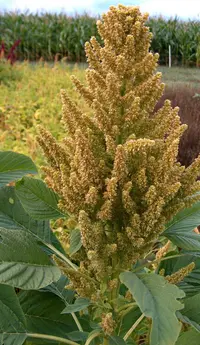
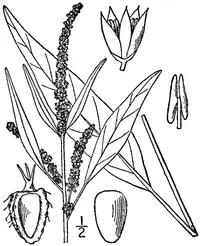
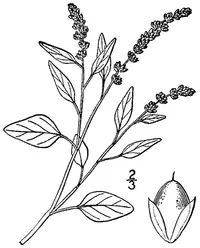
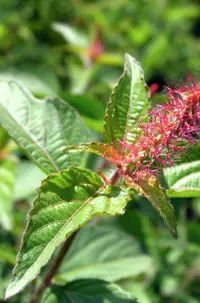
Largefruit amaranth (Amaranthus deflexus) is a fast-growing annual herb in the amaranth family, often seen as a volunteer plant in disturbed soils and urban areas. It forms low, spreading clumps with branching, reddish-green stems, small green leaves, and inconspicuous flower clusters that produce many seeds.

This species is native to South America but is now naturalized in many warm and temperate regions worldwide, including parts of the United States. It is tough, adaptable, and grows readily in poor or compacted soil, which makes it easy to establish but sometimes weedy. Those who want to care for largefruit amaranth should note its preference for full sun, moderate moisture, and well-drained soil.

Main Plant Requirements

Care Difficulty

Easy Care

Light Preference

Full Sun

Water Requirements

Moderate Water

Temperature Preference

Tropical / Frost Sensitive

Hardiness Zone

9–11

Soil Texture

Sandy, Loamy, Organic-rich

Soil pH

Slightly acidic (6.5–7.0), Neutral (7.0)

Soil Drainage

Well-drained

Fertilization

Minimal (feed rarely)

Get Personalized Care Plan

Scan your plant to receive care tips personalized for your specific plant

Available on iOS and Android

How to Care for the largefruit amaranth

This sun-loving annual grows best with consistent, direct light during the growing season.

  • Provide 6–8 hours of full sun daily; morning sun with some light afternoon shade is ideal in hot summer regions for largefruit amaranth.
  • Allow for light or dappled shade in the hottest part of the day to reduce leaf scorch, especially on dry, exposed sites.
  • Watch for weak, elongated stems and sparse flowering as signs of insufficient light, and adjust planting to a more open, south- or west-facing position.

This species prefers evenly moist but not saturated soil once established in the garden.

  • Water when the top 2–4 cm of soil feel dry, applying a deep soak rather than frequent light sprinkling to encourage deeper roots.
  • In hot, dry periods increase watering, while in cool or rainy seasons delay irrigation until the soil has clearly dried to avoid root rot for Amaranthus deflexus.
  • Yellowing lower leaves, soft stems, and a sour soil smell indicate overwatering; crisp leaves and drooping at midday that do not recover by evening suggest underwatering.

This warm-season annual grows best in stable, frost-free conditions.

  • Optimal growth occurs around 70–86°F (21–30°C), with strong vegetative growth and flowering during consistently warm weather.
  • Plants are damaged near 32°F (0°C) and usually die after frost; sow or plant out only once nights stay above 50°F (10°C).
  • Mature plants tolerate brief heat up to about 95–100°F (35–38°C) if soil moisture is maintained, but growth slows and wilting increases under prolonged extreme heat.

This species tolerates a wide humidity range and rarely needs special moisture control.

  • Target 30–60% relative humidity, which matches typical indoor and outdoor conditions in most homes and gardens.
  • Plants handle dry air well; wilting at the leaf tips usually indicates underwatering, not low humidity.
  • If air is extremely dry and leaves crisp at the edges, group pots together or place near a tray of water and stones to slightly raise humidity.

Amaranthus deflexus grows best in loose, well-drained mineral soils that do not stay waterlogged.

  • Use a sandy or loamy base with moderate organic matter so roots anchor well yet still receive oxygen.
  • Aim for slightly acidic to neutral pH around 6.0–7.5, which supports nutrient availability without extra amendments.
  • Mix roughly 60% all-purpose potting soil with 20% coarse sand and 20% compost to balance drainage and moisture retention.
  • Avoid heavy clay, compacted ground, or mixes dominated by fine peat, and break up any crusted surface to maintain aeration.

This species can be grown in containers if the pot supports its spreading habit and fast growth.

  • Choose a wide, low pot to accommodate the plant’s lateral spread and reduce tipping in windy sites.
  • Select a heavier material such as ceramic or thick plastic to keep the container stable as foliage mass increases.
  • Raise the pot on feet or bricks so drainage holes stay clear and runoff leaves the container area quickly, preventing soggy roots.

This annual weedlike species grows acceptably in poor soils, so fertilizing Amaranthus deflexus is optional rather than essential.

  • If improved growth is desired, apply a light, balanced NPK fertilizer (such as 10-10-10) at half strength once a month in the warm growing season.
  • Alternatively, use a thin layer of compost around the root zone to boost soil organic matter and nutrient availability.
  • Avoid feeding in winter or when plants are declining at season’s end, as additional nutrients will not be used effectively.

Pruning Amaranthus deflexus is mainly done to limit spread, tidy plants, and reduce unwanted seed set.

  • Cut back flower stalks before seeds ripen, using clean hand pruners or garden scissors, to reduce self-seeding and invasiveness.
  • Remove dead, damaged, or diseased stems promptly to keep foliage clean and reduce pest and disease carryover.
  • Thin congested stems near the base to open the canopy, improve airflow, and maintain a lower, more compact shape.

This species is usually treated as an outdoor annual, so focus on careful transplanting rather than long-term repotting cycles.

  • Transplant seedlings outdoors after frost risk has passed and soil has warmed, spacing them to allow good airflow and limit competition.
  • In containers, move plants only if roots circle the pot, drainage is poor, or growth stalls despite adequate light and water.
  • When transplanting, water beforehand, lift with as much root ball as possible, and replant at the same depth in loose, well-drained soil.
  • Water thoroughly after transplanting and shade lightly for 2–3 days to reduce transplant shock and help roots re-establish.

Propagation of Amaranthus deflexus is most commonly done from seed, as the plant produces abundant, viable seedheads.

  • Collect mature seeds from dry flower spikes at season’s end and store in a cool, dry place until sowing.
  • Sow seeds in spring on the soil surface or barely covered, as light aids germination, and keep evenly moist until seedlings appear.
  • Maintain soil temperatures around 65–75°F and provide bright light to produce sturdy, compact young plants.
  • Thin or transplant seedlings while small, handling roots gently to avoid damage and to establish proper spacing.

This warm-season annual does not overwinter outdoors in cold climates, so winter care focuses on seed management rather than plant protection.

  • In frosty regions, allow plants to die back naturally after freezes, then remove and discard residues to limit volunteer seedlings.
  • Mulching is unnecessary for survival but can be used in beds to suppress winter weeds after plant removal.
  • In mild, frost-free areas, monitor for self-sown seedlings through winter and remove unwanted plants before they mature.

Care Tips

Weed Seed Control

Remove flowering spikes before seeds mature and dispose of them in the trash, not the compost, to limit self-seeding and keep this species from spreading aggressively into nearby beds and paths.

Root Disturbance Management

When removing or relocating plants, water the soil first and use a narrow trowel to lift the taproot cleanly, as tearing the root often triggers resprouting from fragments left in the ground.

Volunteer Seedling Thinning

Inspect bare soil and path edges every 1–2 weeks and hoe or hand-pull tiny seedlings at the cotyledon stage, because early removal is far easier than dealing with established, woody plants later.

Soil Nutrient Monitoring

In productive beds where you grow largefruit amaranth intentionally, use a simple soil test every 1–2 years and adjust fertilization based on measured nutrient levels to avoid creating overly rich conditions that favor excessive, weedy growth.

Pest and Disease Sanitation

If plants show signs of leaf spotting or sap-sucking insects, remove heavily affected foliage and clear plant debris from the soil surface, then rotate planting areas yearly to reduce carryover of pests and pathogens in the same spot.

Common Pests and Diseases

Leafminers

This pest creates pale, winding tunnels inside the leaves, leading to reduced photosynthesis and patchy yellowing on Amaranthus leaves.

Solution

Remove and destroy mined leaves as soon as damage appears, then encourage beneficial parasitic wasps by avoiding broad-spectrum insecticides; if needed, use a targeted product containing spinosad, applied to young foliage according to label directions.

Amaranth weevil

This pest feeds on foliage and sometimes stems, causing irregular holes and thinning of leaf tissue, especially on young plants in warm conditions.

Solution

Hand-pick adult weevils in small plantings, reduce nearby weed hosts, and use row covers on young plants; for heavier infestations, apply a contact insecticide labeled for weevils in edible leafy crops, focusing on evening applications when adults are most active.

Flea beetles

These insects chew many tiny shot-like holes in leaves, which can severely stunt seedlings and young plants under dry, sunny conditions.

Solution

Use floating row covers to protect young plants, keep the area free of alternative host weeds, and apply fine kaolin clay or neem-based sprays to deter feeding; in severe cases, use a reduced-risk insecticide labeled for flea beetles on leafy vegetables.

Downy mildew

This disease causes yellow to pale-green angular leaf spots on the upper surface and a grayish or purplish downy growth underneath, leading to premature leaf drop in humid conditions.

Solution

Improve spacing and airflow, water at soil level in the morning, and promptly remove affected leaves; in persistent humid weather, use a copper-based or phosphorous acid fungicide labeled for leafy greens, rotating products to limit resistance while following all label instructions for Amaranthus deflexus care instructions.

Alternaria leaf spot

Symptoms include small dark spots that expand into circular or irregular lesions with concentric rings, often leading to blighted foliage and weakened plants.

Solution

Remove and dispose of infected leaves, avoid overhead irrigation, and keep plant debris and nearby Amaranthus weeds under control; where the disease recurs, use a protectant fungicide labeled for Alternaria on leafy crops, applying before prolonged wet periods and following all safety and harvest interval guidelines.

Interesting Facts

Prostrate growth habit

This species forms low, spreading mats with stems that often trail along the ground rather than standing upright, helping it survive in trampled or disturbed urban sites such as sidewalks and roadsides.

Hooked seed surface

Its very small, dark seeds have a slightly rough, sometimes described as minutely hooked surface that improves contact with soil particles and helps them lodge in cracks and compacted ground.

Cosmopolitan urban weed

Originally native to South America, it has spread widely to warm-temperate and subtropical regions worldwide and is now a frequent street and garden weed in many cities, where it thrives in compact, nutrient-rich soils.

FAQs about largefruit amaranth

This species is regarded as a weedy plant in many warm and temperate regions. It self-seeds heavily, colonizes disturbed soils, and can compete with crops and native flora, so regular removal of seedlings is often necessary.

Grow Healthy Plants with Botan Care

Keep your plants happy and healthy with plant identification, disease detection, and easy care guidance.

Botan plant care app — identify plants on mobile

Explore More Plants