


Pinch for Bushiness
Lightly pinch back soft shoot tips every 3–4 weeks during active growth to encourage dense, low branching rather than tall, open stems.

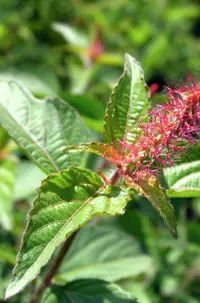
Shrubby copperleaf, Acalypha phleoides, is a small, bushy ornamental plant in the spurge family, grown mainly for its colorful foliage rather than its flowers. It forms a compact, branching shrub with small leaves that may show coppery, green, or reddish tones depending on light and growing conditions.
This species occurs naturally in warm regions of the Americas, often in open, sunny locations with well-drained soils. It is generally considered a low-maintenance plant but dislikes cold, poor drainage, and prolonged drought, which can limit its use outdoors in cooler climates.
Gardeners who want to care for shrubby copperleaf should provide bright light, moderate watering, and soil that drains well to keep growth dense and foliage attractive.

Care Difficulty
Moderate Care

Light Preference
Partial Sun

Water Requirements
Moderate Water

Temperature Preference
Warm Climate

Hardiness Zone
Unknown

Soil Texture
Sandy, Loamy, Organic-rich

Soil pH
Acidic (5.5–6.5), Slightly acidic (6.5–7.0)

Soil Drainage
Well-drained

Fertilization
Minimal (feed rarely)
Scan your plant to receive care tips personalized for your specific plant
Available on iOS and Android
This species grows best with bright exposure and protection from harsh extremes of sun.
Watering should keep the soil lightly moist but never saturated for healthy Acalypha phleoides growth.
Stable warm conditions support strong growth and reduce stress in this species.
This species prefers moderately moist air but adapts to many home conditions when soil moisture is stable.
Acalypha phleoides grows best in loose, well-drained, moderately fertile soil that does not stay waterlogged.
This species suits container growing when the pot allows quick drainage and enough root room for its spreading habit.
Acalypha phleoides benefits from light feeding but grows acceptably in average, not overly poor soil.
Pruning Acalypha phleoides helps maintain a compact, leafy shape and removes weak growth.
This species is often grown in the ground, but container plants or nursery stock benefit from timely transplanting.
Acalypha phleoides is commonly propagated from both seeds and softwood cuttings under warm, bright conditions.
Acalypha phleoides is frost sensitive and needs protection in climates with freezing winters.

Plant Health Check
Not sure what's wrong with your plant? Check your plant's health inside the app.
This species often colonizes disturbed sites such as field margins, pathsides, and open scrub, showing a strong tolerance to soil disruption and periodic clearing in its native range from Mexico to Central America.
Its slender flowering spikes are covered with dense, bristly hairs that give a fuzzy appearance, a trait that helps distinguish it from many other small Acalypha species with smoother inflorescences.
The small, inconspicuous flowers are adapted mainly to wind pollination, but the plant is also capable of self-pollination, which allows small and isolated populations to maintain themselves over time.
Yellowing leaves usually come from overwatering, poor drainage, or nutrient imbalance, especially nitrogen or iron deficiency. Check for soggy soil, compacted roots, or recent fertilizer changes, then adjust watering, aeration, and feeding before removing worst-affected foliage.
Keep your plants happy and healthy with plant identification, disease detection, and easy care guidance.

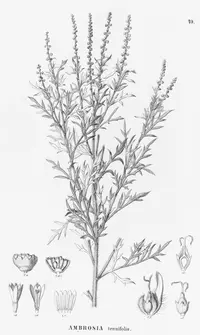
slimleaf bur ragweed
Ambrosia tenuifolia
flatspine bur ragweed
Ambrosia acanthicarpa
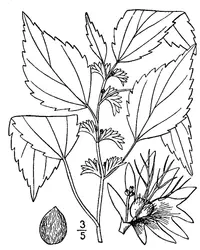
Virginia threeseed mercury
Acalypha virginica
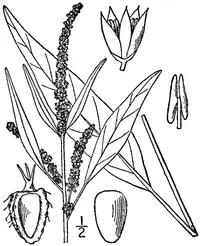
tidalmarsh amaranth
Amaranthus cannabinus
 POPULAR
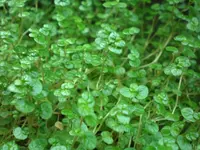
Baby's Tears
Soleirolia soleirolii
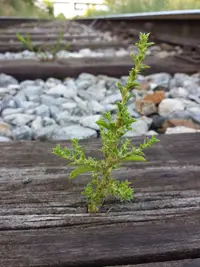
prostrate pigweed
Amaranthus albus
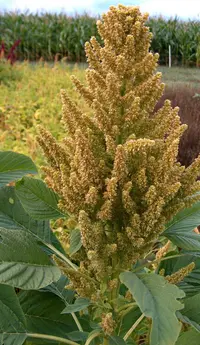
Green Amaranth
Amaranthus hybridus
Peruvian primrose-willow
Ludwigia peruviana