Virginia threeseed mercury Care (Acalypha virginica)

Also known as: Virginia copperleaf
Virginia threeseed mercury

About Virginia threeseed mercury

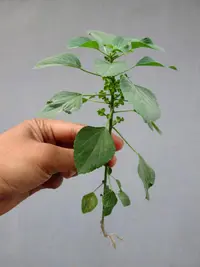
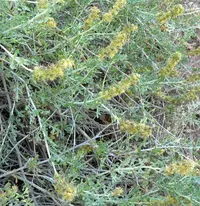
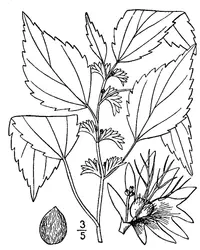
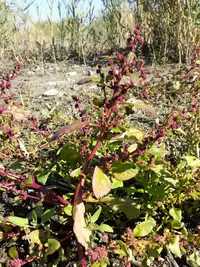
Virginia threeseed mercury, Acalypha virginica, is a small annual herb in the spurge family, often found in fields, gardens, and disturbed soils. It forms modest, upright clumps with simple green leaves and inconspicuous greenish flower spikes along the stems.

This species is native to eastern and central North America and commonly appears as a volunteer plant in cultivated beds and agricultural areas. It grows quickly, produces many seeds, and can spread easily, which affects how simple it is to manage.

Acalypha virginica tolerates a range of soils and moisture levels and prefers open, sunny to lightly shaded sites. Basic knowledge of how to care for Virginia threeseed mercury helps keep it from becoming weedy in managed spaces.

Main Plant Requirements

Care Difficulty

Easy Care

Light Preference

Full Sun

Water Requirements

Moderate Water

Temperature Preference

Cold Hardy

Hardiness Zone

4–9

Soil Texture

Sandy, Loamy, Clay

Soil pH

Acidic (5.5–6.5), Slightly acidic (6.5–7.0)

Soil Drainage

Well-drained

Fertilization

Minimal (feed rarely)

Get Personalized Care Plan

Scan your plant to receive care tips personalized for your specific plant

Available on iOS and Android

How to Care for the Virginia threeseed mercury

This North American annual prefers open, bright conditions typical of field edges and disturbed ground.

  • Provide 6–8 hours of direct sun daily; Virginia threeseed mercury also tolerates light afternoon shade, especially in hotter regions.
  • In partial shade, expect taller, more open growth and fewer seeds; in full sun, plants stay denser but need soil that does not dry to dust between rains.
  • Watch for scorched, pale foliage in exposed, dry sites as a sign of excessive sun, and lanky, leaning stems as a sign of insufficient light.

This species is adapted to natural rainfall patterns and prefers moderately moist, well-drained soils.

  • Allow the top 3–5 cm of soil to dry before watering in managed plantings, then water deeply so moisture reaches the root zone.
  • During hot, dry spells, monitor for wilting during midday that does not recover by evening, which indicates the need for supplemental water.
  • Acalypha virginica dislikes prolonged saturation; yellowing lower leaves, soft stems, or algae on the soil surface suggest poor drainage or overwatering.

This annual herb thrives in warm growing seasons typical of much of the eastern and central United States.

  • Optimal growth occurs around 70–85°F (21–29°C), with good tolerance of typical summer heat if soil moisture is not extremely low.
  • Seeds germinate once soils warm above roughly 60°F (16°C), and established plants handle brief peaks near 95°F (35°C) without major stress.
  • The plant is frost-sensitive; light frost around 30–32°F (-1–0°C) usually kills top growth, so it completes its life cycle before hard freezes in most regions.

This species tolerates a wide humidity range and usually needs no special humidity control outdoors.

This species prefers moderately fertile, loose mineral soil with reliable drainage.

  • Use a loamy or sandy-loam soil with some organic matter to support root growth and moisture retention without becoming sticky.
  • Aim for slightly acidic to neutral pH around 6.0–7.0, which suits most native populations of Acalypha virginica.
  • Blend in 20–30% compost to a native loam, or use a mix of garden soil, compost, and coarse sand in roughly equal parts.
  • Avoid compacted, waterlogged, or heavy clay sites; improve drainage and aeration by incorporating coarse sand or fine gravel into the top 15–20 cm.

This species can grow in containers but performs more naturally in the ground.

  • Choose a deep pot that allows a modest taproot to extend downward rather than a very shallow, wide container.
  • Use a heavier, non-toppling container material if placed in exposed, windy sites, since upright stems can create leverage.
  • Select a potting mix that drains faster than typical houseplant blends by adding extra coarse sand or fine grit to prevent prolonged saturation.

This native wildflower, also called Virginia threeseed mercury, usually needs little fertilization in typical garden soil.

  • In poor or sandy soils, apply a light top-dressing of compost in early spring to boost organic matter.
  • If using a balanced NPK fertilizer (such as 10-10-10), dilute to 1/2 strength to avoid lush, weak growth.
  • Feed at most once in spring during active growth; skip additional applications through summer.
  • Do not fertilize in fall or winter, as the plant is winding down and extra nutrients are unnecessary.

Pruning Acalypha virginica is mainly about light cleanup and managing spread in garden settings.

  • Best timing is late winter to early spring before new growth begins.
  • Remove dead, damaged, or diseased stems first, cutting back to healthy tissue with clean hand pruners.
  • Thin overcrowded stems to improve air flow and maintain a low, open form.
  • Clip spent seed heads if self-seeding is not desired, leaving some if natural reseeding is welcome.

This species is typically grown in the ground, so care focuses on transplanting rather than frequent repotting.

  • Transplant young plants in early spring or early fall, when temperatures are mild and soil is evenly moist.
  • Choose a site with well-drained soil and similar light conditions to reduce transplant shock.
  • Water the root zone deeply before and after moving plants, and keep soil slightly moist for 1–2 weeks.
  • If grown in containers, shift to a slightly larger pot only when roots circle the sides or growth stalls.

Propagation of Acalypha virginica is most practical from seed under suitable outdoor or controlled conditions.

  • Collect mature seeds from dry seed heads in late summer to early fall before they shatter.
  • Sow outdoors in fall for natural cold stratification, or refrigerate moist seed 4–6 weeks before spring sowing.
  • Use a well-drained seed mix, keep evenly moist, and provide bright light for germination.
  • Label planting areas, as seedlings can be small and easily confused with other volunteer species.

This herbaceous native is cold hardy in much of its range and usually needs minimal winter care in the ground.

  • After hard frost, above-ground growth typically dies back while roots overwinter in soil.
  • Apply a light mulch layer (2–5 cm) in colder regions to buffer freeze–thaw cycles around the root zone.
  • Leave some standing stems over winter in naturalistic plantings to support wildlife and then cut back in early spring.

Care Tips

Disturbance tolerance

Use Virginia threeseed mercury to stabilize light-disturbance areas such as path edges or between crop rows, since it withstands periodic trampling and shallow cultivation better than many native forbs.

Volunteer seedling management

Flag or mark desirable plants in late summer, then selectively thin volunteer seedlings the following spring so that 15–20 cm spacing is maintained and more vigorous individuals can fill the area evenly.

Integrated weed control

In restoration or meadow plantings, cut this species back before seed set and leave the cut stems as a light mulch layer to suppress more aggressive weeds while still allowing it to resprout.

Wildlife support planning

Site plantings near hedgerows or native grass patches to provide cover for insects and small fauna that use its dense foliage, which helps build a more resilient planting community when growing Virginia threeseed mercury.

Soil monitoring routine

Once established, periodically inspect the upper 5–8 cm of soil for compaction and lightly loosen with a hand fork rather than deep tilling, which preserves its fine roots and supports better self-seeding dynamics.

Common Pests and Diseases

Leaf-chewing caterpillars

This pest often feeds on foliage of Virginia threeseed mercury in naturalized or garden settings, leaving irregular holes and ragged leaf edges. Symptoms include skeletonized leaves and frass (small dark droppings) on or below the plant.

Solution

Handpick caterpillars where practical and drop them into soapy water, and encourage or protect natural predators such as birds and predatory wasps. For heavier infestations, use a targeted biological product containing Bacillus thuringiensis (Bt), applying only to affected foliage and following label directions to limit impact on non-target insects.

Spider mites

These insects can appear during hot, dry weather and cause fine stippling, bronzing, and a dull, dusty look on leaves. Symptoms include very fine webbing along stems and undersides of leaves and premature leaf drop when infestations are severe.

Solution

Rinse plants thoroughly with a strong but gentle stream of water, focusing on leaf undersides, and repeat every few days to break the life cycle. If populations remain high, use insecticidal soap or a light horticultural oil, applied in the early morning or evening to avoid leaf burn and to protect beneficial insects as much as possible.

Leaf spots

This disease complex, usually caused by various fungi, leads to small brown, tan, or black spots on leaves that may merge into larger blotches. Symptoms include premature yellowing and dropping of heavily spotted foliage, especially during warm, wet periods.

Solution

Remove and discard heavily affected leaves to reduce the source of spores, and avoid overhead watering so foliage dries quickly. Improve air circulation around plants by reducing crowding, and in recurrent severe cases consider a labeled ornamental fungicide, applied preventively during extended wet weather.

Powdery mildew

This disease produces white to gray, powdery patches on upper or lower leaf surfaces and sometimes stems. Symptoms include distorted or stunted new growth and a general decline in vigor when coverage is heavy.

Solution

Increase sunlight exposure where possible and thin crowded stands to improve airflow, since this fungus thrives in shaded, stagnant conditions. Remove badly infected plant parts and, if needed, apply a sulfur or potassium bicarbonate fungicide labeled for ornamental plants, treating at the first sign of infection to limit spread.

Interesting Facts

Annual mercury relative

This species is an annual herb in the spurge family (Euphorbiaceae) and is closely related to other mercury plants, but unlike many spurges it typically produces little or no showy latex sap when injured.

Native disturbed‑site specialist

It is native to eastern and central North America and is especially common in disturbed habitats such as crop fields, gardens, roadsides, and waste areas, where its fast seed production allows it to colonize newly opened soil quickly.

Three-seeded capsules

The plant produces small, inconspicuous flowers that develop into dry capsules, each typically containing three seeds, which is the origin of the common name threeseed mercury and is a useful character for field identification.

Botan icon

Did you know?

Pollen from this species is known to be allergenic, and in some aerobiological surveys in eastern North America, its pollen has been recorded as a minor contributor to late-summer and autumn hay fever symptoms near agricultural and weedy sites.

FAQs about Virginia threeseed mercury

This species grows relatively quickly for a small annual, often reaching near-mature size within one growing season. Rate depends on light, soil fertility, and moisture, but it usually establishes and fills space in a few months.

Grow Healthy Plants with Botan Care

Keep your plants happy and healthy with plant identification, disease detection, and easy care guidance.

Botan plant care app — identify plants on mobile

Explore More Plants