slimleaf bur ragweed Care (Ambrosia tenuifolia)

Also known as: Lacy Ragweed
slimleaf bur ragweed

About slimleaf bur ragweed

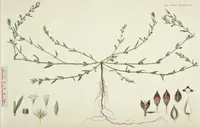
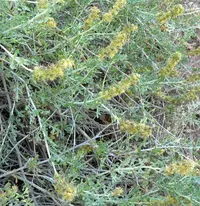
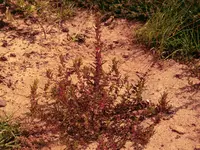
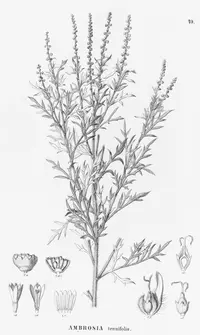
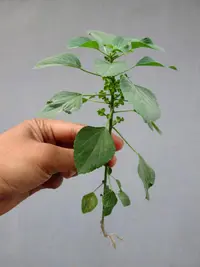
Slimleaf bur ragweed (Ambrosia tenuifolia) is a herbaceous perennial in the daisy family, known mainly as a wind-pollinated weed and strong allergen producer. It forms dense, spreading patches with finely divided, threadlike leaves and upright, often branching stems.

This species is native to South America but has naturalized in several temperate regions, especially disturbed sites such as roadsides, lots, and field margins. It grows vigorously, competes strongly with nearby plants, and spreads both by seed and underground rhizomes, which makes it persistent once established.

It tolerates poor, dry to moderately moist soils and full sun, so it is generally easy to grow but difficult to control; most gardeners try to avoid or remove it rather than care for slimleaf bur ragweed.

Main Plant Requirements

Care Difficulty

Easy Care

Light Preference

Full Sun

Water Requirements

Low Water

Temperature Preference

Cold Hardy

Hardiness Zone

5–9

Soil Texture

Sandy, Loamy, Clay

Soil pH

Slightly acidic (6.5–7.0), Neutral (7.0)

Soil Drainage

Well-drained

Fertilization

Minimal (feed rarely)

Get Personalized Care Plan

Scan your plant to receive care tips personalized for your specific plant

Available on iOS and Android

How to Care for the slimleaf bur ragweed

Ambrosia tenuifolia thrives in open, bright conditions typical of dry grasslands and disturbed sites.

  • Provide full sun for 6–10 hours per day; the plant also tolerates light partial shade, especially in hot climates.
  • Aim for strong morning sun with some protection from intense late-afternoon exposure in very hot, dry regions to limit leaf scorch.
  • In dense shade, slimleaf bur ragweed becomes leggy and produces fewer flowers; maintain at least 4–5 hours of direct light during the growing season.

This species is drought-tolerant and prefers infrequent, deeper watering once established.

  • Allow the top 3–5 cm of soil to dry thoroughly between waterings; in many field conditions, natural rainfall is sufficient.
  • Use well-drained, sandy or gravelly soil; persistent puddling or a sour smell around roots indicates overwatering and poor aeration.
  • In hot, dry periods, leaves that curl or droop during the day and recover overnight suggest underwatering; water only when soil is dry, not by calendar.

This plant is adapted to warm, temperate climates with hot summers and cool to cold winters.

  • Optimal active growth occurs around 70–90°F (21–32°C), typical of summer in open, exposed sites.
  • Mature plants tolerate brief drops near 20°F (−6°C), but repeated hard freezes below this can damage crowns and reduce next-season vigor.
  • Heat tolerance is high up to about 100°F (38°C) if soil is not waterlogged; in extended cold, top growth dies back and regrowth occurs from surviving root tissues in spring.

This species is highly tolerant of low humidity and rarely needs special moisture management.

Ambrosia tenuifolia handles a wide range of soils but establishes best in dry, well-drained mineral substrates.

  • Use sandy or sandy-loam soil with low to moderate organic matter to mimic its natural, open habitats.
  • Ensure very fast drainage by blending 50–70% coarse sand or fine grit with native soil or basic potting mix.
  • Keep pH roughly neutral to slightly alkaline (6.5–8.0); avoid strongly acidic mixes and peat-heavy substrates.
  • Do not use compacted or water-retentive clay soils, which restrict aeration and favor root rot in drought-adapted roots.

This species can be grown in containers, mainly for controlled studies or containment of its spreading habit.

  • Choose a wide, shallow to medium-depth pot so the rhizomatous roots can spread laterally without circling tightly.
  • Use a heavy or weighted container if placed outdoors, since tall, airy stems can catch wind and tip light pots.
  • Allow the surface to dry completely and keep watering light, since coarse, fast-draining media in pots dry faster than garden soils.

Ambrosia tenuifolia usually thrives in poor soils and generally needs no fertilizer in the ground.

Pruning Ambrosia tenuifolia is mainly done for containment and to remove weak growth.

  • Cut back flowering stems in late summer or early fall before seed set to limit spread.
  • Remove dead, damaged, or crossing stems at ground level using clean, sharp pruners.
  • Lightly thin crowded patches to improve air flow and reduce competition for light.
  • Avoid heavy cutting in midsummer heat to reduce stress and allow steady regrowth.

Transplanting slimleaf bur ragweed is uncommon but may be needed when managing wild or restoration plantings.

  • Transplant in early spring or early fall when temperatures are mild and soil is workable.
  • Lift plants with a spade, keeping as much root ball and surrounding soil intact as possible.
  • Replant at the same depth in well-drained soil, water thoroughly, then keep evenly moist until established.
  • Minimize root disturbance and shading after transplanting to reduce shock and support quick recovery.

Ambrosia tenuifolia spreads mainly by seed and underground rhizomes, so propagation is straightforward but can become invasive.

  • Collect mature seeds in late summer, then sow outdoors in fall to allow natural cold stratification.
  • For controlled sowing, chill seeds 4–6 weeks in moist medium at 35–40°F before spring planting.
  • Divide small clumps with rhizomes in early spring, replanting sections promptly in moist, loose soil.
  • Space new plants carefully and monitor spread to avoid unwanted colonization of nearby beds.

This species is cold hardy in much of its range and usually needs no special winter care in the ground.

  • In areas with severe freeze–thaw cycles, a light 3–5 cm mulch layer can stabilize soil temperatures.
  • Container-grown plants benefit from shelter against drying winter winds and extreme freezing.
  • Reduce watering in winter for potted specimens, keeping the root zone just barely moist.

Care Tips

Contain Spread Early

Install deep edging (15–20 cm) or use heavy-duty root barriers before plants reach maturity to limit rhizome spread and make future removal or population control much easier.

Timed Mowing Strategy

In managed areas, mow or cut plants at ground level just as flower buds form but before pollen is released, then repeat after 3–4 weeks to deplete root reserves and reduce reseeding.

Targeted Seedhead Removal

On smaller patches, manually cut and bag flower spikes as soon as they fade, then dispose of them in household trash rather than compost to avoid reintroducing viable seeds to the site.

Rhizome Monitoring Passes

Once or twice a season, use a narrow spade to slice 10–15 cm deep around the outer edge of the clump and pull any loosened rhizomes so spread can be monitored and progressively reduced.

Allergy-Safe Handling

When caring for slimleaf bur ragweed, wear gloves, long sleeves, and a mask during cutting or removal, and shower or change clothes afterward to minimize exposure to airborne pollen and plant sap.

Common Pests and Diseases

Rust fungus

This disease causes yellow to orange-brown spots or small pustules on leaves and stems, which can lead to premature leaf drop in dense stands. Symptoms include heavier damage on plants growing in humid or crowded conditions.

Solution

Remove and destroy heavily infected plant material to reduce spore sources, and avoid overhead irrigation that keeps foliage wet. In managed plantings, thin overcrowded patches to improve airflow; in high-value situations a labeled rust-control fungicide containing myclobutanil or chlorothalonil can be used according to local regulations and label directions.

Leaf spot

This disease produces irregular brown or gray lesions on leaves that may coalesce, reducing photosynthetic area and weakening plants. Symptoms include more severe spotting after periods of warm, wet weather.

Solution

Cut back and dispose of badly spotted foliage to limit spread and reduce overwintering inoculum. Improve air circulation, water at soil level rather than on foliage, and if needed apply a broad-spectrum foliar fungicide labeled for leaf spots on herbaceous plants, following label rates and timing.

Stem canker

This disease causes sunken, dark lesions on stems that can girdle shoots, leading to wilting or dieback above the affected area. Symptoms include cracking or splitting of older cankers and poor regrowth from damaged stems.

Solution

Prune out and discard stems showing clear cankers, cutting several cm below visible damage and disinfecting tools between cuts with 70% alcohol or a 10% bleach solution. Reduce plant stress by avoiding overcutting or scalping stands, and keep plants on a moderate watering schedule so tissues are less susceptible to wound infection.

Seed-feeding weevils

These insects lay eggs in flower heads, and the larvae consume developing seeds, which can significantly reduce seed production. This pest typically affects reproductive structures rather than foliage or roots.

Solution

For conservation or research plantings where seed set matters, monitor inflorescences and remove or bag heavily infested flower heads before larvae complete development. If local regulations permit, biological control programs that rely on specialist seed-feeding weevils may already be active; in that case, accept some seed loss as part of long-term Ambrosia tenuifolia care in the surrounding habitat.

Interesting Facts

Highly allergenic pollen

This ragweed species produces large amounts of lightweight, wind-dispersed pollen that is a documented trigger of seasonal allergic rhinitis in sensitive people, especially in regions where it has become invasive.

Deep creeping rhizomes

The plant forms an extensive network of underground rhizomes that allow rapid vegetative spread and make it difficult to eradicate once established in disturbed soils and agricultural fields.

Successful global invader

Native to South America, this species has successfully invaded parts of Europe, Asia, and North America, where it competes with crops and native plants and is monitored as a noxious or quarantine weed in several countries.

Botan icon

Did you know?

In some invaded regions, pollen and plant fragments of Ambrosia tenuifolia are monitored through aerobiological and field surveys because early detection is critical to limit both its spread and its impact on public health.

FAQs about slimleaf bur ragweed

This species spreads vigorously by both seed and creeping roots, especially in disturbed or bare soil. It can quickly form patches that are difficult to remove and is considered a troublesome weed in many agricultural and urban areas.

Grow Healthy Plants with Botan Care

Keep your plants happy and healthy with plant identification, disease detection, and easy care guidance.

Botan plant care app — identify plants on mobile

Explore More Plants