Sharp-fruited Knotweed Care (Polygonum oxyspermum)

Sharp-fruited Knotweed

About Sharp-fruited Knotweed

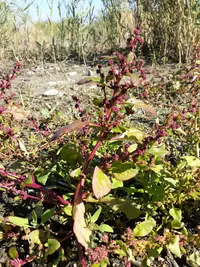
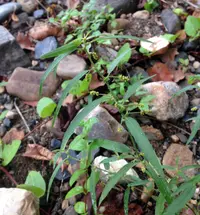
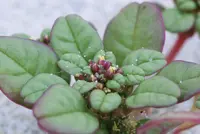
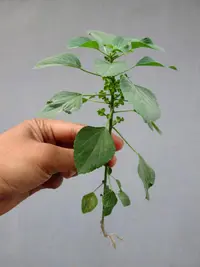
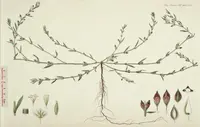
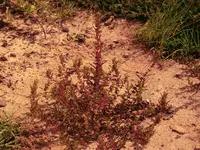
Sharp-fruited knotweed (Polygonum oxyspermum) is a low, sprawling annual herb in the knotweed family, often found along coasts and disturbed sandy areas. It forms wiry, branching stems with small, narrow leaves and inconspicuous greenish-pink flowers that develop into its characteristic sharply pointed fruits. This plant naturally occurs in parts of Europe and has appeared in some North American shorelines and maritime habitats, where it behaves as a pioneer species on open, shifting substrates. It is generally tough and adaptable but can be short-lived and opportunistic, so it suits growers interested in naturalistic, coastal-style plantings rather than formal beds. Understanding how to care for Sharp-fruited Knotweed starts with providing open sun, free-draining sandy soil, and consistent but not excessive moisture.

Main Plant Requirements

Care Difficulty

Moderate Care

Light Preference

Full Sun

Water Requirements

Regular Water

Temperature Preference

Cool Climate

Hardiness Zone

6–9

Soil Texture

Sandy, Loamy, Silty

Soil pH

Slightly acidic (6.5–7.0), Neutral (7.0)

Soil Drainage

Moist but well-drained

Fertilization

Minimal (feed rarely)

Get Personalized Care Plan

Scan your plant to receive care tips personalized for your specific plant

Available on iOS and Android

How to Care for the Sharp-fruited Knotweed

Polygonum oxyspermum prefers bright, open conditions similar to coastal or riverside habitats.

  • Provide full sun for 6–8 hours per day; light morning sun and stronger midday sun are both suitable if soil moisture is maintained.
  • Plant can tolerate light partial shade (3–4 hours sun), but stems may grow longer and flowering can be reduced.
  • In hot summers, protect Sharp-fruited Knotweed from extreme, reflected afternoon heat to prevent leaf scorch and drying of shallow surface roots.

This species favors consistently moist but not stagnant soil conditions.

  • Water when the top 2–3 cm of soil feels just starting to dry, then soak the root zone deeply so moisture reaches the full rooting depth.
  • Increase checking frequency during hot, windy weather; in cooler or rainy seasons, rely more on natural rainfall and skip irrigations when soil remains damp.
  • Watch for signs of stress: yellowing, soft stems and a sour smell indicate overwatering, while limp, dull leaves and dry, cracked soil suggest underwatering in Polygonum oxyspermum stands.

This plant is adapted to cool to mild coastal climates but tolerates a reasonable temperature range.

  • Aim for active growth in 55–75°F (13–24°C); it will usually cope with short warm spells up to about 85°F (29°C) if soil stays moist.
  • Tolerates light frost down to about 25–28°F (-4 to -2°C), but repeated freezes can damage young shoots and reduce vigor.
  • In very hot inland sites above 85°F (29°C), combine slightly higher soil moisture with some afternoon shade to limit heat stress and wilting.

This coastal annual tolerates a wide humidity range and usually does not need special humidity management.

Polygonum oxyspermum prefers light, free-draining substrates that stay moist but never stagnant.

  • Use sandy or sandy-loam soil with a loose structure that mimics coastal habitats and prevents compaction.
  • Ensure rapid drainage by blending mineral sand with a smaller portion of composted organic matter.
  • Aim for slightly acidic to neutral pH around 6.0–7.0, avoiding strongly acidic or alkaline mixes.
  • Avoid heavy clay, peat-only mixes, or soils that hold water for long periods, which restrict aeration and promote rot.

This species can be grown in containers outdoors if its creeping, spreading habit is considered in the setup.

  • Choose a wide, shallow container that allows lateral spread of stems and roots rather than extra depth.
  • Use a heavier or low, broad pot to resist wind displacement, especially in exposed coastal or balcony sites.
  • Combine multiple drainage holes with a coarse mineral layer near the base to speed runoff from occasional heavy rains.

Polygonum oxyspermum is a low-demand coastal annual that benefits from light feeding on poor soils.

  • Use a balanced, water-soluble fertilizer (around 10-10-10) at 1/2 strength for container-grown Sharp-fruited Knotweed.
  • Feed every 4–6 weeks during the active growing season if growth appears weak or leaves pale.
  • Skip feeding in winter or when the plant has completed its annual life cycle and is setting seed.
  • Compost or a slow-release granular fertilizer can be mixed into sandy potting soil at planting for steady nutrition.

Polygonum oxyspermum needs only light, corrective pruning to manage spread and keep plants tidy.

  • Carry out pruning in late spring or early summer once growth is established and weather is settled.
  • Remove dead, damaged, or diseased stems first, cutting back to healthy tissue with clean, sharp scissors or hand pruners.
  • Thin out crowded or sprawling shoots to maintain an open, low mound and prevent excessive self-seeding.
  • Light tip-pinching of young stems can encourage bushier growth without reducing flowering significantly.

This species is usually grown in the ground, so transplanting is more relevant than repotting.

  • Transplant seedlings or young plants in spring after frost risk has passed, when soil is workable and moist.
  • Move plants only if growth is weak or overcrowded, spacing them to allow good air flow and spread.
  • For container plants, repot only when roots circle the pot or growth slows despite adequate water and light.
  • Transplant with a generous soil plug, water immediately, and shade lightly for a few days to reduce root stress.

Polygonum oxyspermum is most often propagated by seed under simple outdoor conditions.

  • Sow seeds in early spring in trays or directly outdoors where plants are to grow, just covering them with sand or fine soil.
  • Provide light, consistent moisture and good drainage; cool to mild temperatures support germination.
  • Thin seedlings to avoid overcrowding, keeping the strongest plants at the desired final spacing.
  • Soft stem cuttings can root in moist sand or sandy mix in late spring, given bright, indirect light.

As an annual in most climates, Polygonum oxyspermum generally does not need elaborate winter care.

  • In frost-prone regions, expect top growth to die after hard freezes; collect seed beforehand for next year.
  • Where winters are mild, a light sandy mulch can stabilize soil and protect remaining roots.
  • Container plants in cool coastal areas can be moved to a frost-free, bright spot to extend their life slightly.

Care Tips

Coastal Site Selection

Choose an open, windswept site with free-draining sandy or gravelly soil, as this strandline annual performs best where competing vegetation is sparse and soil is not waterlogged.

Low-Competition Management

Before sowing or self-seeding, lightly disturb the soil surface and remove dense turf or mat-forming weeds so seedlings can establish without strong competition from perennial grasses and clover.

Encouraging Self-Seeding

Leave a portion of spent flowering stems in place until seeds naturally drop, then avoid deep cultivation in that patch so the species can maintain itself by self-sowing in the same area.

Protecting From Trampling

In exposed garden or coastal restoration sites, mark the planting area with discreet stones or low edging to prevent foot traffic from compacting the loose substrate and damaging the low, spreading plants.

Salt and Wind Acclimation

When planting nursery-grown stock into coastal locations, harden plants off for 7–10 days in a breezy, partially sheltered spot so they gradually adjust to salt spray and strong wind typical for growing Sharp-fruited Knotweed near the shore.

Common Pests and Diseases

Leaf spot fungi

This disease causes small brown to dark olive spots on leaves that may coalesce, leading to partial blighting of foliage, especially in moist coastal or riverside sites.

Solution

Remove and destroy heavily spotted leaves, avoid prolonged overhead watering, and increase air movement around plants; in sites with recurring problems, a copper-based or chlorothalonil fungicide can be used according to label directions as part of Polygonum oxyspermum care.

Powdery mildew

This disease produces a white, powdery film on leaf surfaces and young stems, which can lead to distortion and reduced vigor in dense stands of the plant.

Solution

Thin overcrowded patches to improve airflow, avoid high-nitrogen fertilization, and treat early outbreaks with a sulfur or potassium bicarbonate spray, repeating as needed during warm, dry periods that favor infection.

Aphids

These insects feed on sap from tender stems and undersides of leaves, causing curling, yellowing, and sticky honeydew that can attract sooty mold growth.

Solution

Rinse colonies off with a firm stream of water, encourage natural predators such as lady beetles, and use insecticidal soap or a light horticultural oil, ensuring thorough coverage of new growth and leaf undersides.

Leaf beetles

These insects chew irregular holes in leaves, sometimes skeletonizing foliage on young Polygonum oxyspermum plants growing along coasts or riverbanks.

Solution

Hand-pick adults and larvae where feasible, remove nearby plant debris that shelters beetles, and, if damage is persistent, apply a targeted treatment such as spinosad in late afternoon to limit impact on pollinators.

Interesting Facts

Coastal dune specialist

This annual knotweed is naturally restricted to sandy seashores and foredunes along Atlantic and North Sea coasts, where it helps stabilize loose, shifting sand with its low, spreading growth.

Salt spray tolerant

It shows notable tolerance to salt-laden winds and occasional seawater inundation, allowing it to occupy exposed upper beach zones where many non-halophytic plants cannot persist.

Taxonomic reclassification history

Once treated broadly within Polygonum, this species has been shifted by many authors into the related genus Polygonum (s.l.) or Atriplex-like coastal groups, reflecting ongoing revisions of knotweed taxonomy based on morphology and molecular data.

FAQs about Sharp-fruited Knotweed

This coastal annual spreads mainly by seed, not by running roots. In sandy, open sites it can form low patches, but it is usually limited by disturbance, competition, and salt exposure rather than becoming aggressively dominant.

Grow Healthy Plants with Botan Care

Keep your plants happy and healthy with plant identification, disease detection, and easy care guidance.

Botan plant care app — identify plants on mobile

Explore More Plants