flatspine bur ragweed Care (Ambrosia acanthicarpa)

Also known as: Annual Bur-sage, Flatspine Bursage
flatspine bur ragweed

About flatspine bur ragweed

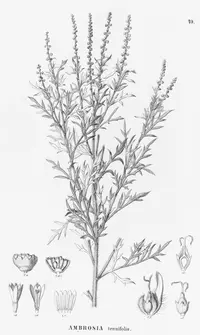
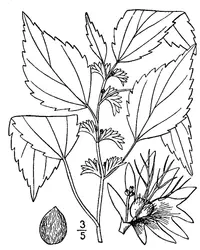
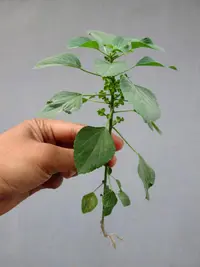
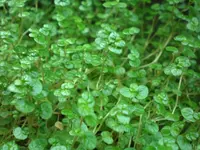
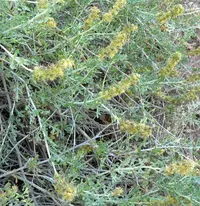
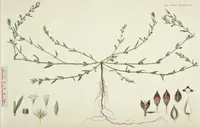
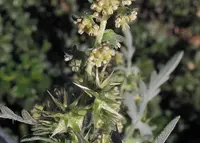
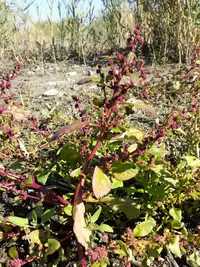
Flatspine bur ragweed (Ambrosia acanthicarpa) is an annual herb in the daisy family, known as a tough pioneer plant of disturbed, dry ground. It forms a low, branching clump with gray‑green, deeply divided leaves and spiny burs that cling to fur, clothing, and machinery, helping it spread. Native to dry regions of North America, it commonly appears in rangeland, roadsides, vacant lots, and overgrazed fields. This species tolerates drought, poor soils, and high heat, which makes it easy to establish but also potentially invasive. Anyone wanting to care for flatspine bur ragweed should understand that it thrives in full sun, low to moderate moisture, and well‑drained, often sandy or gravelly soils.

Main Plant Requirements

Care Difficulty

Easy Care

Light Preference

Full Sun

Water Requirements

Low Water

Temperature Preference

Cold Hardy

Hardiness Zone

4–9

Soil Texture

Sandy, Loamy, Rocky

Soil pH

Slightly acidic (6.5–7.0), Slightly alkaline (7.0–7.5)

Soil Drainage

Well-drained

Fertilization

Minimal (feed rarely)

Get Personalized Care Plan

Scan your plant to receive care tips personalized for your specific plant

Available on iOS and Android

How to Care for the flatspine bur ragweed

This sun-loving annual thrives in open, exposed sites with strong light.

  • Provide full sun for 6–10 hours per day; flatspine bur ragweed stays most compact and productive in unobstructed exposure.
  • Accepts light partial shade, especially with 2–4 hours of morning sun, but dense shade reduces vigor, branching, and seed production.
  • In hot regions, slight afternoon shade can reduce leaf scorch, while in cool or short-day seasons, choose the brightest, south-facing position available.

This species is drought-adapted and prefers infrequent, light watering once established.

  • Allow the top 5–8 cm of soil to dry fully before watering; in open ground with sandy or gravelly soil, this may mean long gaps between waterings.
  • Use very well-drained soil; water until moist but not muddy, then let excess drain away to prevent root rot, yellowing, and soft stems from overwatering.
  • During hot, dry spells, watch for limp, dull foliage or slowed growth as cues to water; reduce or stop supplemental water in cool or rainy seasons for Ambrosia acanthicarpa.

This hardy annual tolerates a wide temperature range but grows best in warm conditions.

  • Optimal growth occurs around 70–85°F (21–29°C), typical of warm late-spring to summer weather in much of its native range.
  • Seeds and young plants handle cool nights down to about 32°F (0°C), but hard freezes below 28°F (-2°C) may kill top growth.
  • Mature plants withstand dry heat up to 100°F (38°C) if soil drains well; prolonged scorching heat with high humidity can increase stress and disease pressure.

Humidity is not a significant factor for Ambrosia acanthicarpa, which is adapted to very dry air.

Ambrosia acanthicarpa grows best in lean, fast-draining mineral soils that avoid prolonged moisture.

  • Use sandy or gravelly soil with low organic matter to mimic its native dry habitats.
  • Aim for slightly alkaline to neutral pH around 7.0–8.0, avoiding acidic mixes.
  • Combine 60–70% coarse sand or grit with 30–40% native soil or low-compost mix to keep structure open.
  • Avoid compacted clay, high-peat potting mixes, or any site where water lingers after rain.

This species can be grown in containers, mainly for control or observation rather than ornamental effect.

  • Choose a wide, shallow to medium-depth pot to accommodate its spreading root system without excessive water retention.
  • Use a heavy or weighted container so the plant remains stable in wind and does not tip as stems elongate.
  • Elevate the pot on feet or bricks to speed drainage and keep the drainage holes from clogging with fine particles.

This tough native annual usually needs no supplemental feeding in typical outdoor soils when caring for flatspine bur ragweed.

Light pruning helps keep Ambrosia acanthicarpa manageable and removes unsightly growth in managed landscapes.

  • Time any shaping for late winter or very early spring before new growth starts.
  • Use clean, sharp hand pruners to remove dead, diseased, or storm-damaged stems at the base.
  • Thin out congested stems to improve air movement and reduce self-seeding density.
  • Avoid heavy cutting into healthy tissue, as the plant has a short natural lifespan.

This species is usually grown in the ground; focus on careful transplanting rather than frequent repotting.

  • Transplant young seedlings when they have 2–4 true leaves and before roots become tightly circling in the plug or pot.
  • Choose early spring or fall, when temperatures are mild and soil is evenly moist but not waterlogged.
  • Plant into well-drained, similar-texture soil and keep the original root ball intact to limit shock.
  • Water thoroughly after transplanting, then keep soil slightly moist for 1–2 weeks while roots re-establish.

Ambrosia acanthicarpa is most often propagated by seed, which germinates reliably under suitable outdoor conditions.

  • Collect mature burs in late summer to fall once they turn dry and brown on the plant.
  • Sow seeds outdoors in fall or very early spring, allowing natural cold exposure to break dormancy.
  • Place seeds on or just under the soil surface in a sunny, well-drained site, spacing to reduce crowding.
  • Keep soil lightly moist until seedlings establish, then reduce watering to typical dryland levels.

This annual is cold hardy as seed and generally needs no special winter care once seed has set and plants die back.

Care Tips

Use disturbance strips

If establishing in a restoration site, lightly disturb narrow soil strips each fall to mimic natural ground disturbance, which encourages new seedlings while limiting spread into undisturbed areas.

Timed seed collection

Collect seed heads when burs turn brown and dry but before they drop, then store them in paper bags in a cool, dry place to maintain viable seed for targeted reseeding projects.

Manage volunteer spread

Install inexpensive mesh barriers or mow buffer strips around planting zones before burs mature to reduce unwanted spread into paths, neighboring plots, or crop rows.

Glove-safe handling

Wear thick gloves and long sleeves when handling mature plants or pulling volunteers, as the spiny burs easily cling to skin, clothing, and animal fur and can spread the plant unintentionally.

Include in weed plan

When caring for flatspine bur ragweed in mixed plantings, document its intended locations and timing for cutting or removal so that it functions as a temporary pioneer plant without becoming a persistent weed problem.

Common Pests and Diseases

Rust fungi

This disease produces small yellow to orange pustules on leaves and stems, which can coalesce and cause early leaf drop in dense, humid stands.

Solution

Remove and destroy heavily infected plants to reduce spore load, avoid overhead irrigation, and increase spacing so foliage dries quickly; in high-value restoration or seed-production plots, a sulfur or chlorothalonil-based fungicide labeled for rust on ornamentals can be used preventively when conditions are cool and moist.

Powdery mildew

This disease appears as a white to gray, powdery coating on leaves and young stems, sometimes causing distortion and reduced vigor late in the season.

Solution

Improve air circulation by thinning crowded plants and reducing nearby tall vegetation, avoid excess nitrogen that promotes lush, susceptible growth, and, if needed in seed-production beds, apply a horticultural oil or potassium bicarbonate product labeled for powdery mildew at the first sign of symptoms.

Leaf beetles

These insects chew small to large holes in leaves, and heavy feeding can skeletonize foliage on young plants in disturbed sites or restoration plantings.

Solution

Hand-pick adults and larvae into soapy water where feasible, encourage natural predators by maintaining plant diversity nearby, and, if defoliation is severe, use a targeted product such as spinosad or neem on young foliage, applying in the evening to reduce harm to pollinators and other beneficial insects.

Grasshoppers

These insects feed on foliage and tender stems, often creating irregular notches or missing sections of leaves, especially in hot, dry conditions on rangeland or open lots.

Solution

Reduce weedy refuge areas near plantings, use row covers or temporary netting over young stands when populations peak, and, in larger-scale plantings, consider baits containing reduced-risk insecticides placed away from desirable flowering plants to limit non-target impacts.

Aphids

These insects cluster on stems and leaf undersides, sucking sap, causing slight leaf curling, and producing sticky honeydew that can support sooty mold growth.

Solution

Spray plants with a firm stream of water to dislodge colonies, encourage lady beetles and lacewings by minimizing broad-spectrum insecticides, and, in small plantings, use insecticidal soap or horticultural oil directed at the undersides of leaves, repeating as needed until populations decline; this approach is suitable for Ambrosia acanthicarpa plant care in more managed landscapes.

Interesting Facts

Spiny burs for dispersal

This species produces small, hard burs covered in hooked spines that cling to animal fur, clothing, or equipment, helping the seeds travel long distances across dry landscapes.

Late-season pollen source

Flatspine bur ragweed flowers late in the growing season and releases large amounts of wind-dispersed pollen, which can contribute to seasonal allergies and hay fever in sensitive people.

Disturbance-adapted colonizer

It commonly appears on overgrazed rangeland, roadsides, and disturbed soils in western North America, showing a strong ability to establish quickly where vegetation has been removed.

Botan icon

Did you know?

This plant shows high tolerance to drought and poor, sandy, or gravelly soils, allowing it to thrive in arid and semi-arid regions where many competing annuals fail to complete their life cycle.

FAQs about flatspine bur ragweed

This species spreads readily by seed and can form dense patches in disturbed, open ground. It is often considered a troublesome weed in rangeland and cropland, so control seed set and remove unwanted seedlings promptly.

Grow Healthy Plants with Botan Care

Keep your plants happy and healthy with plant identification, disease detection, and easy care guidance.

Botan plant care app — identify plants on mobile

Explore More Plants