silvergreen bryum moss Care (Bryum argenteum)

Also known as: Silvery Bryum, Silver-moss, River Bryum
silvergreen bryum moss

About silvergreen bryum moss

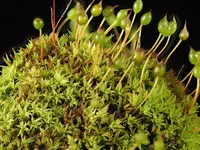
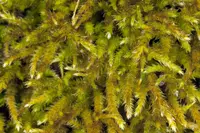
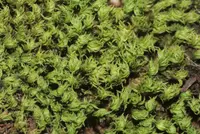
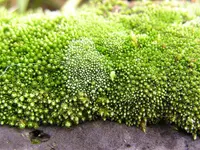
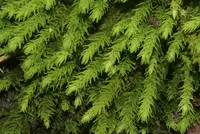
Silvergreen bryum moss (Bryum argenteum) is a compact, low-growing moss that forms dense, silvery-green cushions or mats. It often appears almost metallic when dry, then turns brighter green when moist.

This species naturally occurs on sidewalks, roofs, rocks, and disturbed soils in cities and dry open habitats, showing strong tolerance to drought, pollution, and foot traffic. Its hardiness makes it relatively easy to establish, though it still needs consistent surface moisture during the initial period.

It prefers bright indirect light to light shade and rough, well-drained surfaces rather than rich soil. These traits are useful to understand when planning how to care for silvergreen bryum moss in gardens, terrariums, or small green roofs.

Main Plant Requirements

Care Difficulty

Easy Care

Light Preference

Partial Sun

Water Requirements

Keep Soil Moist

Temperature Preference

Cold Hardy

Hardiness Zone

2–11

Soil Texture

Sandy, Loamy, Rocky

Soil pH

Slightly acidic (6.5–7.0), Neutral (7.0)

Soil Drainage

Waterlogged tolerant

Fertilization

Minimal (feed rarely)

Get Personalized Care Plan

Scan your plant to receive care tips personalized for your specific plant

Available on iOS and Android

How to Care for the silvergreen bryum moss

This moss prefers bright, indirect light with some protection from strong midday sun.

  • Provide 3–6 hours of morning sun or dappled light, avoiding intense afternoon sun that can dry cushions and bleach the silvergreen bryum moss shoots.
  • In open sites, give partial shade using nearby rocks, low shrubs, or structures to filter light while still allowing enough brightness for dense growth.
  • In summer, shield from prolonged full sun and drying winds; in winter, ensure at least open shade so snowmelt and low light still reach the colony.

Bryum argenteum thrives in consistently moist but not waterlogged conditions.

  • Water when the surface feels dry to the touch and leaf tips begin to look slightly dull, rewetting thoroughly so the entire patch darkens in color.
  • Ensure the substrate drains freely; avoid standing water or thick, sealed mud layers that cause rot, sour smells, or slimy, collapsing shoots.
  • In hot, windy weather, expect to moisten once or twice a day outdoors, while in cool, damp seasons rainfall alone may be enough if the moss does not fully crisp.

This hardy moss tolerates a wide temperature range but grows best in cool to mild conditions.

  • Optimal active growth occurs around 50–70°F (10–21°C), when moisture is available and direct harsh sun is limited.
  • The moss survives down to about 5–15°F (-15 to -9°C) once established, entering dormancy and reactivating when temperatures rise and water returns.
  • Heat tolerance extends to about 90°F (32°C) if humidity is moderate and the substrate does not dry completely; beyond that, cushions may brown and stay dormant longer.

This moss prefers moderately moist air and declines if kept very dry for long periods.

  • Aim for 50–80% humidity, keeping the substrate consistently damp rather than relying only on air moisture.
  • It tolerates brief dry air indoors, but fronds turn dull, brittle, and greyish when humidity and substrate moisture stay low.
  • Increase humidity by misting lightly, placing trays with water and pebbles nearby, or grouping silvergreen bryum moss with other moisture-loving plants.

Bryum argenteum anchors best in thin, low-nutrient, well-drained yet consistently moist substrates.

  • Use a fine-textured mix of 2 parts sand, 1 part sifted compost, and 1 part milled peat or coco coir for moisture retention without waterlogging.
  • Ensure very sharp drainage; a shallow layer over rock, brick, or compacted gravel mimics its natural cracks and pavement habitats.
  • Keep pH slightly acidic to neutral (pH 5.5–7.0), avoiding strongly alkaline or heavily limed mixes that restrict growth.
  • Avoid rich, dense potting mixes and manure-based composts, which encourage algae and competing plants that overtake the moss.

This species is suitable for shallow containers, trays, and dish gardens where moisture can be closely controlled.

  • Choose wide, shallow containers so the thin substrate layer dries evenly and discourages stagnant wet pockets.
  • Use rigid materials like ceramic or stone that slow evaporation outdoors, stabilizing surface moisture for the thin moss layer.
  • Elevate the container slightly so drainage holes stay clear and surface water runs off quickly, reducing chances of rot and algae growth.

Bryum argenteum is adapted to low-nutrient habitats and needs only minimal supplemental feeding under cultivation.

  • Use a very diluted balanced liquid fertilizer (about 1/8–1/4 strength, such as 10-10-10) only if growth appears weak in containers.
  • Apply light feeding no more than once every 6–8 weeks during active growth in spring and fall.
  • Avoid fertilizer in midsummer heat, during drought stress, and in winter dormancy to prevent burn and algal growth.
  • For naturalistic setups or when caring for silvergreen bryum moss outdoors, rely mainly on decomposing organic debris rather than direct fertilization.

Bryum argenteum requires only light grooming to keep moss cushions neat and healthy.

  • Best time for grooming is during active growth in spring or early fall, when recovery is fastest.
  • Gently pick or trim away browned, dead, or damaged tufts using small scissors or tweezers.
  • Thin out overcrowded, very dense patches to improve air movement and reduce trapped debris.
  • Light shaping can maintain low, even cushions, especially in containers or detailed moss displays.

This moss is usually transplanted rather than repotted, as it forms shallow mats on soil, stone, or compacted surfaces.

  • Transplant when mats become too thick, when growth slows, or when you want to expand coverage to a new area.
  • Best timing is in cool, moist conditions of spring or early fall to reduce desiccation stress.
  • Lift thin sections of the mat with attached substrate, keeping rhizoids and underlying particles as intact as possible.
  • Press the moss gently onto the new moist surface, mist thoroughly, and shade lightly for 1–2 weeks while it re-anchors.

Bryum argenteum is commonly propagated by division and fragment spread rather than by spores in home settings.

  • Best season for propagation is spring or early fall, when moisture is reliable and temperatures are mild.
  • Cut or tear small pieces of healthy moss mat, including some underlying substrate for stability.
  • Press fragments firmly onto a rough, consistently moist surface so rhizoids can attach and spread.
  • Maintain high humidity with frequent fine misting and light shade until new green growth knits fragments together.

Bryum argenteum is very cold hardy and typically needs no special winter care in temperate climates.

  • Established outdoor mats tolerate freezing and thawing, often drying and then rehydrating naturally.
  • In containers, ensure drainage holes stay open so ice does not keep the substrate waterlogged.
  • If grown in shallow trays, move them out of strong drying winds to limit winter desiccation.

Care Tips

Use clean substrate

Rinse and soak rock, brick, or compacted sand in clean water before planting to remove fine dust that can smother the moss shoots and trap excess nutrients that favor algae.

Firm surface contact

After pressing the moss fragments onto the surface, lightly wrap with breathable mesh or press with plastic grid for 1–2 weeks so rhizoids can anchor instead of drying and blowing away.

Control algal growth

If green slime algae appears, gently brush it off with a soft paintbrush under a light water mist rather than scraping, which protects the delicate moss tips and keeps the colony dense.

Seasonal moisture shifts

In outdoor culture, allow slightly longer dry intervals in cooler seasons and shorter dry intervals in warm, windy weather to mimic its natural pulse of wetting and drying and maintain compact growth.

Fragment-based propagation

To expand a patch, finely crumble a healthy clump into 2–5 mm fragments, mix with a little water into a slurry, and thinly spread onto new surfaces for even coverage when growing silvergreen bryum moss.

Common Pests and Diseases

Desiccation damage

Symptoms include crisp, pale, or silver-white shoots that fail to rehydrate evenly after drying. This condition often appears in exposed urban sites with intense sun, heat, and wind.

Solution

Maintain more stable moisture by misting lightly and frequently rather than soaking, and provide partial shade during the hottest hours. In cultivation, use a moisture-retentive but well-drained substrate, and trim away dead patches to encourage fresh, even regrowth.

Algal overgrowth

This disease presents as a slimy green film that coats the moss surface, reducing its silvery appearance and blocking light. It develops in stagnant, nutrient-enriched, and constantly wet conditions.

Solution

Reduce nutrients by avoiding runoff from fertilized areas and occasionally flushing the surface with clean, low-mineral water. Improve air movement, increase light slightly without overheating, and if needed gently rub or rinse off the algal layer, taking care not to dislodge the moss cushions.

Fungal mold

This disease appears as white, gray, or occasionally dark fuzzy growth in densely packed, continually wet cushions. It is more common in shaded, poorly ventilated indoor or container setups.

Solution

Improve ventilation and reduce constant saturation by allowing the surface to dry slightly between waterings while keeping the substrate cool and moist. Remove visibly moldy sections with clean tweezers and, if mold persists, apply a mild sulfur- or copper-based fungicide at low dosage suitable for mosses, testing on a small area first.

Collembola (springtails)

These insects are tiny, pale to dark jumping arthropods that thrive in damp moss beds rich in organic debris. This pest usually feeds on decaying matter but can disturb young, regenerating moss tissues when populations are very high.

Solution

Lower excessive moisture slightly and reduce organic debris by gently rinsing the surface with clean water. If numbers remain high and cause visible disturbance, use sticky traps around the container and consider a targeted, moss-safe biological control such as Bacillus thuringiensis israelensis in very wet setups.

Slugs and snails

This pest leaves irregular grazed patches or thin scraped areas on lush, moist moss carpets, especially in outdoor beds or shaded walls. These animals are attracted to consistently damp microhabitats and shelter under overhangs or edging near the moss.

Solution

Hand-pick slugs and snails in the evening or early morning and remove nearby hiding spots such as boards, stones, and dense ground litter. If damage is persistent, place iron phosphate slug bait stations around, not directly on, the moss surface to protect the cushions while limiting the pest population.

Interesting Facts

Urban pollution specialist

This moss is often one of the first species to colonize pavements, walls, and roofs in cities, and it tolerates heavy metal and air pollution better than many other mosses, so it is frequently used as a bioindicator of urban air quality.

Silvery leaf adaptation

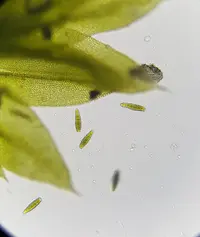
The leaves have a dense layer of tiny, reflective cells that give the cushions a silvery sheen when dry, helping reduce overheating and water loss on exposed concrete and rock surfaces.

Extreme desiccation tolerance

Bryum argenteum can survive almost completely dried out for long periods and then quickly resume photosynthesis when rewetted, an adaptation that supports its success in harsh, intermittent-moisture habitats.

Botan icon

Did you know?

This species is one of the most widespread mosses on Earth, occurring on every continent including Antarctica, where it grows in ice-free rocky areas and endures intense cold, high UV radiation, and long periods of drought.

FAQs about silvergreen bryum moss

Growth is relatively slow but steady. Under consistent moisture and mild temperatures, patches can thicken noticeably over a few months. In drier or very exposed sites, expansion is much slower and mainly occurs during cool, moist seasons.

Grow Healthy Plants with Botan Care

Keep your plants happy and healthy with plant identification, disease detection, and easy care guidance.

Botan plant care app — identify plants on mobile

Explore More Plants