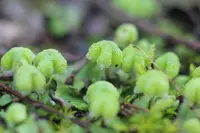
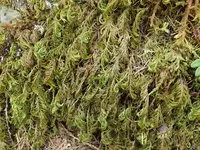
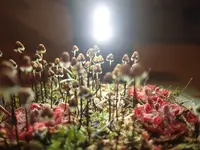
dichelyma moss Care (Dichelyma capillaceum)

Also known as: Awned Dichelyma Moss
dichelyma moss

About dichelyma moss

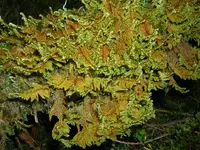
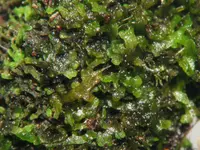
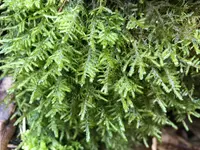
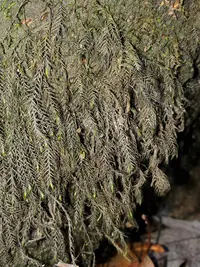
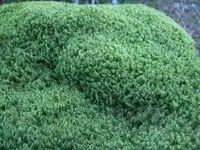
Dichelyma capillaceum is an aquatic or semi-aquatic moss that forms dense, bright to dark green tufts or mats along streams, rivers, and lakeshores. Its fine, hairlike leaves give it a soft, flowing look when submerged or periodically flooded.

This species is native to cooler regions of North America and parts of Europe, where it anchors to submerged wood, rocks, or sometimes roots. It is sensitive to water quality and flow, which makes it more challenging to grow than many common mosses.

To care for dichelyma moss successfully, provide clean, cool water, stable moisture, and low to moderate light, ideally in a consistently damp or aquatic setup.

Main Plant Requirements

Care Difficulty

Hard Care

Light Preference

Partial Shade

Water Requirements

Aquatic

Temperature Preference

Cool Climate

Hardiness Zone

Unknown

Soil Texture

Silty, Organic-rich

Soil pH

Acidic (5.5–6.5)

Soil Drainage

Waterlogged tolerant

Fertilization

Minimal (feed rarely)

Get Personalized Care Plan

Scan your plant to receive care tips personalized for your specific plant

Available on iOS and Android

How to Care for the dichelyma moss

This aquatic moss prefers soft, indirect light that mimics shaded stream banks.

  • Provide bright, filtered light or open shade with no more than 1–2 hours of weak morning sun and no direct midday or afternoon sun.
  • Aim for sites receiving dappled light 4–6 hours per day; dense, deep shade slows growth and can cause sparse, elongated shoots.
  • In summer, shield from strong sun to prevent bleaching and drying; in winter, slightly brighter but still indirect light supports steady growth of dichelyma moss.

This species thrives in consistently wet, oxygenated conditions along streams and wet shorelines.

  • Keep the substrate saturated or shallowly submerged; stems should stay moist at all times, never allowing the surface to dry out or crack.
  • In warmer months, monitor water levels every few days; look for crisp, pale tips as a sign of drying stress and dark, foul-smelling patches as a sign of stagnant, overwatered conditions.
  • Use a substrate that allows slow water movement and drainage rather than stagnant pools, and avoid heavy silt buildup that smothers the moss and traps anaerobic water.

This cool-temperate moss prefers mild conditions and is sensitive to temperature extremes.

  • Optimal growth occurs around 50–68°F (10–20°C), especially in cool, clean streams or seepage areas.
  • Plants usually tolerate down to about 23°F (-5°C) if submerged or consistently wet, but exposed fronds can be damaged by repeated hard frosts.
  • Heat above 77°F (25°C), especially if water is warm and stagnant, increases stress and can lead to dieback, so provide shade and flowing water in hot seasons.

This moss needs consistently high humidity to stay hydrated and photosynthesize efficiently.

  • Aim for 70–90% humidity, mimicking the constantly moist streamside habitats of dichelyma moss.
  • It tolerates only brief dips into 50–60% before fronds dry, curl, and lose their intense green color.
  • Crisping tips, pale patches, and brittle tufts signal humidity stress and drying of the cushion structure.
  • Increase humidity with daily fine misting, water trays nearby, or placement in a closed, ventilated terrarium.

This species prefers saturated, low-flow substrates that mimic submerged or stream-edge conditions rather than typical potting soil.

  • Use a fine-textured mix of 50–70% sphagnum peat or coconut coir with 30–50% washed sand to imitate silty, organic streambank material.
  • Keep the substrate constantly wet to lightly waterlogged, allowing no complete drying, but avoid strong water currents that dislodge Dichelyma capillaceum.
  • Aim for slightly acidic conditions, roughly pH 5.5–6.5, avoiding lime-rich or strongly alkaline materials such as crushed coral or heavy dolomite additions.
  • Improve oxygen availability by using shallow trays or dishes with wide surface area so water can exchange gases rather than staying stagnant and anaerobic.

This moss can be grown in shallow containers or trays when moisture and stability are carefully controlled.

  • Choose a wide, shallow tray to maximize horizontal spread and keep the entire mat evenly wet without deep stagnant pockets.
  • Use a rigid, non-flexing container so the saturated substrate does not shift and shear the delicate shoots during handling.
  • If using a reservoir-style tray, maintain a stable water level just at or slightly above the substrate surface to avoid repeated full submersion and exposure cycles.

This moss naturally grows in nutrient-poor, flowing water habitats and usually needs no fertilizer in cultivation.

Pruning needs for Dichelyma capillaceum are minimal and mainly hygienic.

  • Trim only browned, decaying, or detached shoots using small scissors to maintain a tidy mat.
  • Carry out light trimming during active growth so the colony recovers quickly.
  • Avoid cutting deeply into healthy cushions, as this can thin the stand and expose substrate.
  • Remove trapped debris or algae patches to keep water flow and light reaching the moss surface.

Transplanting is rarely needed and is done mainly when adjusting placement or water conditions.

  • Move mats in early spring or early fall, when temperatures are moderate and water conditions are stable.
  • Transplant only when growth declines, the clump detaches, or substrate breaks down.
  • Gently lift and transfer whole cushions onto fresh, clean, water-stable substrate with similar flow.
  • Keep the colony continuously moist, shaded, and undisturbed for several weeks to reduce transplant stress.

Propagation of this aquatic moss is straightforward by vegetative division rather than spores for most growers.

  • Divide healthy cushions into small sections during spring or early fall when conditions are stable.
  • Press divisions gently onto stone, wood, or mesh in shallow, clean, cool water with steady flow.
  • Maintain low to medium light, constant moisture, and good water quality to support new anchoring and growth.
  • Avoid burying the moss; keep rhizoids in contact with the surface while allowing leaves full water circulation.

This cold-tolerant aquatic moss typically needs little special winter care in temperate climates.

  • In outdoor setups, ensure water does not freeze solid, which can damage attached colonies.
  • For containers in very cold regions, move setups to a cold but unfrozen location such as an unheated garage.
  • Maintain stable, cool water and avoid sudden temperature swings when shifting indoor or outdoor systems.

Care Tips

Anchor To Substrate

Press loose stems gently onto waterlogged wood or rock and secure them with biodegradable cotton thread so the moss can root firmly and form a dense, stable mat along currents or edges.

Control Water Movement

Provide slow, continuous water movement around the colony using a low-flow pump or positioning it near a gentle stream inlet, since moderate current helps keep fronds clean and oxygenated without tearing them loose.

Sediment Management

Rinse or siphon fine silt from the substrate surface around the moss every few weeks, because accumulated sediment can smother the shoots and reduce healthy new growth.

Algae Suppression

Limit excess nutrients and strong direct light in the water body and manually remove any early algae film from the moss tips with soft tweezers to prevent competition and shading of new growth when growing dichelyma moss.

Seasonal Relocation

If cultivated outdoors in containers, move culture trays to a shaded, cool, consistently wet spot during hot spells and protect them from freezing solid in winter by sinking the container into the ground or storing it in a cold, frost-free outbuilding.

Common Pests and Diseases

Aquatic algal overgrowth

Symptoms include bright green, slimy mats forming over moss cushions and surrounding water surfaces, shading and smothering the shoots. This condition is favored by excess nutrients, stagnant water, and strong light.

Solution

Reduce nutrient input by limiting fertilizer and preventing runoff, then increase water movement or gentle flow around the colony to discourage algal films. Manually siphon or gently brush away algae from the moss, and if grown in culture, shorten light duration or slightly shade the tank to support stable growing dichelyma moss without heavy algal competition.

Filamentous cyanobacteria

This disease creates dark green to blue-green slimy strands or sheets that bind moss stems together and can produce a foul odor. It thrives in nutrient-rich, warm, slow-moving or stagnant water.

Solution

Manually remove as much biomass as possible by siphoning or carefully lifting strands from the moss, then correct underlying causes by improving water circulation, reducing organic debris, and avoiding nutrient-rich substrates directly around the colony. Partial water changes and shading during peak sun can also help suppress cyanobacteria growth and allow the moss to recover.

Aquatic snails

These insects are not involved; instead, small freshwater snails graze on delicate moss shoots and can uproot fragments from substrates or wood. Damage appears as missing tips, shredded tufts, and displaced clumps.

Solution

Physically remove snails by hand or traps, and avoid introducing new snails with wild-collected plants or substrate. In artificial culture, use fine mesh barriers or dedicated snail-free tanks, and stabilize water currents so loose moss fragments are less easily dislodged by grazing activity.

Aquatic chironomid larvae

This pest consists of non-biting midge larvae that tunnel through moss cushions, binding stems with silk-like tubes and trapping silt between shoots. Damage reduces water flow through the colony and can smother the lower parts of the moss.

Solution

Swish moss gently in clean, cool water to dislodge larvae and sediment, then improve current so fine silt does not accumulate between shoots. In managed culture systems, reduce organic detritus and avoid overfeeding nearby aquatic animals, which keeps larval populations low and maintains healthy Dichelyma capillaceum care conditions.

Interesting Facts

Aquatic river specialist

This moss is strongly associated with cool, fast-flowing, well-oxygenated rivers and streams in the Northern Hemisphere, often anchoring to submerged wood or roots slightly below the water surface.

Narrow ecological niche

Populations are typically small and scattered because the species depends on a very specific combination of clean water, stable current, and suitable woody substrates, which makes it sensitive to changes in river management and water quality.

Whitish capsule beaks

Its spore capsules often show a distinctive whitish, elongated beak and are borne on short setae, a combination that helps field bryologists distinguish it from superficially similar aquatic mosses.

Botan icon

Did you know?

This species has a disjunct distribution that includes both North America and parts of northern Europe, and its scattered, habitat-specific occurrences have led conservation assessments in several regions to list it as rare or of special concern due to river habitat alteration.

FAQs about dichelyma moss

This species performs best outdoors in cool, consistently moist, shaded sites, often along streams or on submerged wood. Indoors it is difficult to maintain stable humidity, water movement, and temperature, so long‑term success is uncommon.

Grow Healthy Plants with Botan Care

Keep your plants happy and healthy with plant identification, disease detection, and easy care guidance.

Botan plant care app — identify plants on mobile

Explore More Plants