


Shallow Pan Culture
Grow colonies on a wide, shallow tray with a thin, even layer of substrate so water films drain quickly and thalli do not stay submerged and rot.

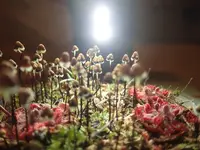
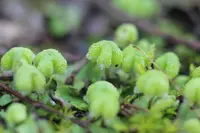
Asterella drummondii is a small thallose liverwort, a non-vascular plant that spreads as flat green mats tightly pressed to rock or soil surfaces. It often shows a slightly lobed, ribbon-like body with a dull green to yellow-green color and can form dense patches in suitable sites.
This species is native to dry, seasonally wet habitats in parts of North America, especially on calcareous or gypsum-rich rock outcrops. It is adapted to brief moisture pulses and extended dry periods, which makes care for Asterella drummondii somewhat specialized.
In cultivation it prefers bright, indirect light, constant but not waterlogged moisture, and a mineral, well-drained substrate that mimics its natural rocky habitat.

Care Difficulty
Moderate Care

Light Preference
Partial Shade

Water Requirements
Keep Soil Moist

Temperature Preference
Warm Climate

Hardiness Zone
Unknown

Soil Texture
Loamy, Silty, Organic-rich

Soil pH
Slightly acidic (6.5–7.0)

Soil Drainage
Moist but well-drained

Fertilization
Minimal (feed rarely)
Scan your plant to receive care tips personalized for your specific plant
Available on iOS and Android
This liverwort prefers cool, bright sites with limited direct sun exposure.
This species thrives in consistently moist conditions but is sensitive to stagnant water.
This plant prefers cool to mild conditions and does poorly in temperature extremes.
This liverwort prefers consistently moist, humid conditions rather than dry household air.
This species is not grown in conventional soil but on constantly moist, fine-textured, organic-rich substrates.
This species can be grown in shallow containers or trays when moisture and airflow are controlled carefully.
This small liverwort typically needs no supplemental fertilizer when grown on suitable, nutrient-poor substrates.
Asterella drummondii requires virtually no pruning beyond light tidying for research or display specimens.
Transplanting is mainly relevant when Asterella drummondii is grown in culture or moved for study.
Propagation is possible but usually handled by specialists maintaining bryophyte collections rather than casual growers.
This species is cold tolerant in its natural range and generally needs no active winter care in the ground or on rocks.

Plant Health Check
Not sure what's wrong with your plant? Check your plant's health inside the app.
This species is a thalloid liverwort that often colonizes thin soils and rock surfaces in arid and semi‑arid regions, tolerating drying better than many related bryophytes.
Its female reproductive structures form small stalked discs with lobed, umbrella‑like tops, which are diagnostic when distinguishing it from similar Asterella and Reboulia species.
It frequently occurs as part of biological soil crusts, where its flattened thallus helps stabilize fragile surfaces and influences early-stage soil development in dry habitats.
This liverwort spreads low and horizontally by branching thalli and spores, but it is not typically aggressive in managed settings. It can form dense patches on consistently moist soil, rocks, or greenhouse benches if conditions stay favorable.
Keep your plants happy and healthy with plant identification, disease detection, and easy care guidance.

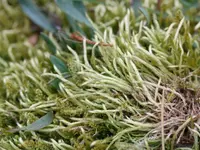
brachythecium moss
Brachythecium albicans
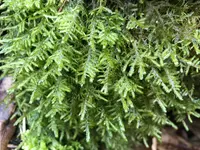
Flat Neckera
Alleniella complanata
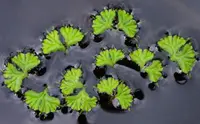
fringed heartwort
Ricciocarpos natans
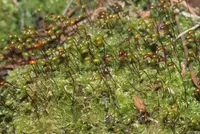
velvet feather-moss
Brachytheciastrum velutinum
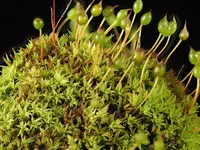
zygodon moss
Zygodon viridissimus
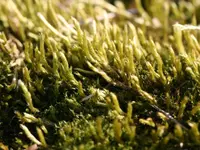
brachythecium moss
Brachythecium salebrosum
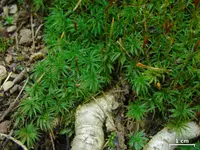
atrichum moss
Atrichum altecristatum
California asterella
Asterella californica