Use acid-safe backing
Mount colonies on inert, slightly acidic, non-calcareous materials such as bark, fired clay, or basalt rather than concrete or limestone, which slowly raise pH and inhibit long-term growth.

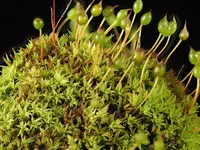
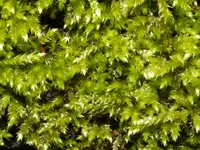
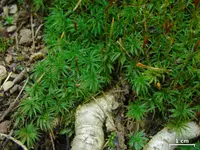
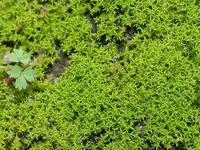
Zygodon viridissimus is a small, cushion-forming moss that typically grows on tree bark, rocks, and old walls. It forms dense, green tufts with fine, upright shoots. This species is native to parts of Europe and is often found in humid, shaded woodlands and sheltered urban sites. It prefers stable, slightly moist surfaces rather than loose soil. Z. viridissimus is generally undemanding but relies on consistent humidity and protection from strong sun and drying winds. For anyone learning how to care for zygodon moss, its slow growth and modest needs make it more about providing the right microclimate than intensive maintenance.

Care Difficulty
Moderate Care

Light Preference
Shade

Water Requirements
Keep Soil Moist

Temperature Preference
Cool Climate

Hardiness Zone
6–9

Soil Texture
Rocky, Organic-rich

Soil pH
Acidic (5.5–6.5)

Soil Drainage
Moist but well-drained

Fertilization
Minimal (feed rarely)
Scan your plant to receive care tips personalized for your specific plant
Available on iOS and Android
This moss prefers cool, shaded habitats with only brief direct sun exposure.
This moss needs consistently moist surfaces but does not tolerate stagnant water.
This species is adapted to cool, temperate conditions with moderate seasonal variation.
This moss prefers consistently moist, high-humidity conditions to maintain active growth.
This species grows as a moss layer rather than in conventional soil, but a suitable substrate still matters.
This species can be grown in shallow containers or terrariums if moisture is managed carefully.
This moss species grows on nutrient-poor surfaces and usually needs no additional fertilizer under normal conditions.
Pruning needs for Zygodon viridissimus are minimal and focus on maintaining a healthy, even mat.
Transplanting is occasional and mainly needed when establishing or resizing a patch on rock, bark, or soil.
Propagation of Zygodon viridissimus is usually done vegetatively rather than from spores for predictable results.
This hardy moss tolerates typical outdoor winter conditions in much of its range and usually needs no special care.

Plant Health Check
Not sure what's wrong with your plant? Check your plant's health inside the app.
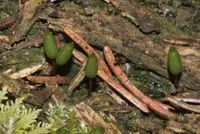
This moss most often colonizes the bark of living trees in humid, shaded woodlands, especially on trunks and branches rather than on soil or rock, which makes it a good indicator of stable forest microclimates.
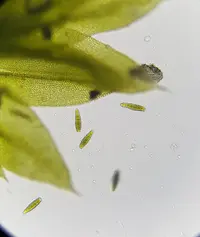
Under magnification, its narrow leaves show fine serrations and a strong midrib, features that help distinguish it from visually similar bark mosses in the field.
It has a scattered distribution across parts of Europe, often occurring in small, localized colonies that can be sensitive to changes in forest management and air quality.

This species can survive periods of dryness in a dormant state and then quickly resume photosynthesis after rehydration, a common bryophyte strategy but particularly important for a bark-dwelling moss that experiences rapid moisture fluctuations on tree surfaces.
Growth is slow to moderate. New patches often take several months to establish visible cushions, then expand a few millimeters per year. Moisture stability, shade, and clean, non-compact surfaces are the main factors controlling spread and density.
Keep your plants happy and healthy with plant identification, disease detection, and easy care guidance.