Substrate Layering
Create a layered base with rinsed gravel at the bottom and a fine, acidic, low-nutrient substrate on top to keep roots moist while preventing stagnation and compaction over time.

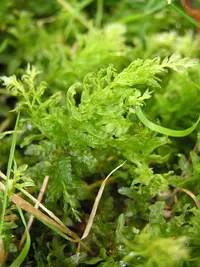
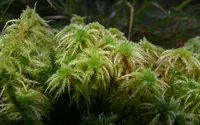
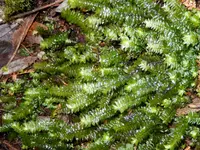
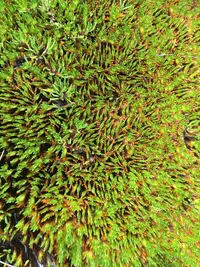
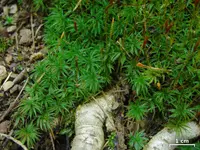
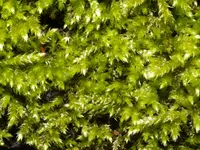
Palm-tree moss, Plagiomnium undulatum, is a spreading, carpet-forming moss with glossy, bright green leaves and upright, palm-like shoots. It creates dense, soft mats that cover soil, rocks, or damp logs.
This species occurs naturally in cool, moist forests and shaded banks across Europe and parts of North America, often where the ground stays humid and sheltered. Its preference for constant moisture and shade makes it rewarding but slightly demanding under dry indoor or garden conditions.
It stays low-growing and has no true roots, instead using fine structures called rhizoids to anchor itself to surfaces. Understanding how to care for Palm-tree Moss mainly involves keeping its environment consistently moist, shaded, and protected from strong air movement.

Care Difficulty
Moderate Care

Light Preference
Shade

Water Requirements
Keep Soil Moist

Temperature Preference
Cool Climate

Hardiness Zone
5–9

Soil Texture
Loamy, Silty, Organic-rich

Soil pH
Strongly acidic (4.5–5.5), Acidic (5.5–6.5)

Soil Drainage
Moist but well-drained

Fertilization
Minimal (feed rarely)
Scan your plant to receive care tips personalized for your specific plant
Available on iOS and Android
This moss prefers cool, moist, low-light sites under forest canopies or beside shaded water features.
Plagiomnium undulatum thrives in consistently moist, cool substrates and does not tolerate drying out.
This species prefers cool to mild conditions and is sensitive to both hard frost and intense heat.
This moss prefers consistently moist air and reacts quickly to drying out.
This species thrives in moist, organic, and lightly structured substrates that stay damp but not stagnant.
This moss is well suited to shallow containers and terrariums that maintain steady surface moisture.
This moss is very low feeding and often grows well without added fertilizer when substrate is fresh and moisture is stable.
Plagiomnium undulatum needs minimal pruning, mainly to keep patches tidy and healthy.
This moss is usually transplanted rather than repotted, and it dislikes frequent disturbance.
Plagiomnium undulatum is most often propagated by division of existing patches rather than from spores.
This moss is quite cold hardy in the ground and usually needs no special winter care in temperate climates.

Plant Health Check
Not sure what's wrong with your plant? Check your plant's health inside the app.
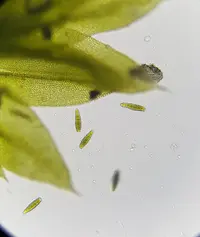
This moss is easily recognized by its broad, tongue-like leaves with strongly wavy edges, a feature that is unusual among common woodland mosses and gives the species its name undulatum, meaning wavy.
It typically forms lush carpets on humus-rich, shaded soils and rotting logs in temperate woodlands, where it plays an important role in retaining moisture and stabilizing the forest floor microhabitat.
Compared with many mosses, it produces relatively tall, upright shoots that can form dense, turf-like stands, creating a three-dimensional structure that shelters small invertebrates such as springtails and mites.

In suitable temperate forests of Europe and parts of North America, this species is often used as an indicator of long-term habitat continuity, since its stable carpets tend to persist only where woodland conditions have remained cool, humid, and relatively undisturbed for many decades.
Growth is moderate under consistently moist, cool, shaded conditions. It usually spreads a few centimeters each season by creeping stems and new rosettes. Disturbance, drying out, or strong sun slows expansion, while stable moisture and humidity speed it up.
Keep your plants happy and healthy with plant identification, disease detection, and easy care guidance.