Use acidic substrate
Establish the moss on a shallow tray or bed of rinsed, fine-grain quartz sand topped with 0.5–1 cm of milled sphagnum or peat-based mix to maintain the consistently acidic conditions it prefers.

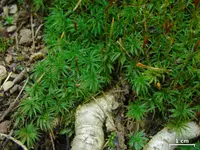
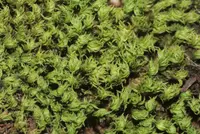
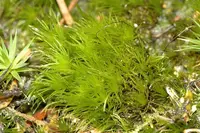
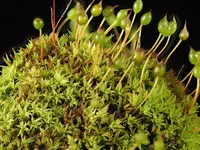
Atrichum altecristatum is a small, upright moss that forms loose, bright green tufts rather than dense carpets. Its leaves are narrow, with clear midribs that give a slightly starry look from above.
This species is typically found on moist, shaded soil in forests, stream banks, and disturbed ground across temperate regions of North America. It often colonizes bare or eroding soil, helping stabilize the surface.
The plant is relatively adaptable but prefers consistent moisture, gentle shade, and acidic, low-nutrient substrates. These traits make it a good subject for those learning how to care for atrichum moss in naturalistic terrariums or outdoor moss beds.

Care Difficulty
Moderate Care

Light Preference
Partial Shade

Water Requirements
Keep Soil Moist

Temperature Preference
Cold Hardy

Hardiness Zone
Unknown

Soil Texture
Loamy, Silty, Organic-rich

Soil pH
Strongly acidic (4.5–5.5), Acidic (5.5–6.5)

Soil Drainage
Moist but well-drained

Fertilization
Minimal (feed rarely)
Scan your plant to receive care tips personalized for your specific plant
Available on iOS and Android
This moss prefers cool, shaded woodland light that mimics a forest floor environment.
This species thrives in consistently moist, cool substrates without long dry spells or standing water.
This moss is adapted to temperate climates with cool to mild temperatures through most of the year.
This moss prefers steady, cool, moist air and reacts quickly to drying conditions.
Atrichum altecristatum grows best in moist, loose, acidic, organic-rich substrates that drain freely yet never bake dry.
This species adapts well to shallow container culture if moisture and aeration are balanced carefully.
This moss gains most nutrients from its substrate and usually needs only very light feeding in cultivation.
Atrichum altecristatum requires minimal pruning, focused mainly on hygiene and maintaining an even carpet.
This moss is more often transplanted than repotted, as it is usually grown on soil, rocks, or wood rather than in deep containers.
Atrichum altecristatum is commonly propagated by division of existing mats rather than by spores in home culture.
This moss is generally cold hardy and often needs little special winter care in temperate climates, especially in-ground.

Plant Health Check
Not sure what's wrong with your plant? Check your plant's health inside the app.
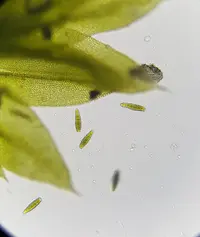
This species is recognized by its sharply toothed, crest-like leaf margins that stand out even among other Atrichum species and are used as a key diagnostic feature in moss identification.
Atrichum altecristatum is frequently recorded on bare or recently disturbed mineral soils such as stream banks, trail edges, and roadside cuts, where it quickly colonizes exposed substrates before denser vegetation develops.
Field bryologists often associate this species with consistently moist but not waterlogged sites, so its presence can help indicate stable, humid microhabitats in forests and along shaded ravines.
Growth is moderate. New shoots extend a few millimeters to about 1 cm per year under stable moisture and cool temperatures. Disturbance, drying, or compaction slows development, so consistent but gentle site conditions support steady expansion.
Keep your plants happy and healthy with plant identification, disease detection, and easy care guidance.