racomitrium moss Care (Codriophorus aciculare)

Also known as: Yellow Fringe-moss, Black-tufted Rock-Moss
racomitrium moss

About racomitrium moss

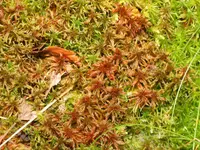
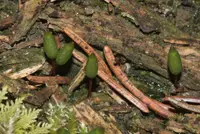
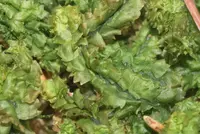
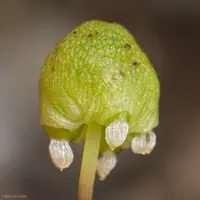
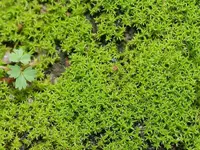
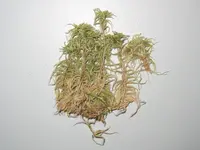
Racomitrium moss, Codriophorus aciculare, is a small, hardy bryophyte that forms dense, cushion-like mats on rocks, soil, and tree bases. It has fine, needle-like leaves that give a textured, almost fuzzy look. This moss is common in cool, moist regions of the Northern Hemisphere, especially in mountain and woodland habitats with clean, humid air. It typically colonizes stable, low-nutrient surfaces where many vascular plants struggle. Its slow growth, need for consistent moisture, and sensitivity to drying make how to care for racomitrium moss slightly more demanding than common house mosses. It prefers soft light, regular moisture, and a stable, undisturbed substrate.

Main Plant Requirements

Care Difficulty

Moderate Care

Light Preference

Partial Shade

Water Requirements

Keep Soil Moist

Temperature Preference

Cold Hardy

Hardiness Zone

3–8

Soil Texture

Silty, Rocky, Organic-rich

Soil pH

Strongly acidic (4.5–5.5), Acidic (5.5–6.5)

Soil Drainage

Waterlogged tolerant

Fertilization

Minimal (feed rarely)

Get Personalized Care Plan

Scan your plant to receive care tips personalized for your specific plant

Available on iOS and Android

How to Care for the racomitrium moss

Codriophorus aciculare prefers cool, soft light similar to shaded stream banks and moist rock faces.

  • Provide bright, indirect light or dappled shade, with at most 1–3 hours of gentle morning sun; avoid harsh midday and afternoon sun that can scorch shoots.
  • Allow partial to deep shade under shrubs, trees, or rocks; growth slows in very dark spots where fine stems elongate and color turns dull.
  • In summer, protect from reflective heat and full sun; in winter, slightly more open light is acceptable if surfaces stay moist, similar to racomitrium moss habitats.

This moss needs consistently moist conditions but suffers if kept waterlogged for long periods.

  • Keep the substrate evenly damp; surfaces should feel moist to the touch but not squishy, and shallow puddling should drain within a few minutes.
  • Increase watering during warm, windy, or very bright weather so the upper layer never fully dries; crisping tips and pale patches indicate underwatering.
  • Reduce watering slightly in cool seasons while still preventing complete drying; persistent soggy texture, algae film, or a musty smell suggest overwatering and poor drainage.

This species is adapted to cool, temperate climates with moderate seasonal variation.

  • Optimal growth occurs around 45–65°F (7–18°C), especially in humid, shaded locations with stable moisture on rocks or soil.
  • The moss tolerates short dips near 20°F (-6°C) under snow or leaf cover, but repeated freeze–thaw on exposed, dry surfaces can damage the cushions.
  • In hot weather above 80°F (27°C), provide extra shade and moisture; brief heat is tolerated if the substrate stays cool and does not dry out completely.

This moss prefers steady, cool, moist air and reacts quickly to drying conditions.

  • Aim for 60–80% humidity; it tolerates brief dips lower but dries out rapidly in heated indoor air.
  • Crisping tips, dull color, and slow rehydration after misting indicate humidity stress.
  • Use frequent fine misting, pebble trays, or a shaded, sheltered outdoor spot to keep ambient humidity higher, similar to racomitrium moss indoor care.

This moss grows best on very free-draining, inorganic, low-nutrient substrates rather than typical potting soil.

  • Use a shallow layer of gritty sand, fine gravel, or crushed lava rock with only a thin film of organic matter on top.
  • Ensure extremely sharp drainage; water should pass through within seconds and never puddle around the rhizoids (anchoring filaments).
  • Keep pH slightly acidic to neutral, roughly 5.5–7.0, avoiding limed or strongly alkaline mixes that inhibit Codriophorus aciculare.
  • Avoid dense, peat-heavy or compost-rich mixes; if extra structure is needed, blend in coarse sand and small gravel to improve aeration.

This species can be grown in shallow containers, especially for moss trays or rock-garden displays.

  • Choose wide, shallow trays that mimic rock surfaces, keeping the moss in a thin, evenly moist layer without deep water pockets.
  • Use rigid, stable containers so the delicate mats are not disturbed when moving or rotating the display.
  • If using porous clay pots, monitor moisture more closely, as side evaporation can dry the thin substrate faster at the edges than in the center.

Codriophorus aciculare is adapted to nutrient-poor habitats and usually needs no additional fertilizer in cultivation, similar to other racomitrium moss.

Codriophorus aciculare benefits from minimal pruning focused on cleanliness rather than shaping.

  • Best timing is late winter to early spring, before active growth resumes.
  • Gently remove dead, browned, or decaying patches by hand to maintain a healthy, even mat.
  • Lift and thin out compacted or crowded tufts to improve air movement and reduce mold risk.
  • Use small scissors or tweezers, cutting only surface growth and avoiding disturbance of the substrate.

This moss is usually grown on rocks, wood, or shallow trays, so focus on careful transplanting rather than frequent repotting.

  • Transplant when growth lifts away from its base, patches detach, or the substrate breaks down and drains poorly.
  • Best timing is in cool, moist conditions of early spring or early autumn to limit desiccation stress.
  • Typical frequency is every 2–3 years or only when the display surface erodes or becomes unstable.
  • To reduce root stress, move thin mats with a backing of original substrate intact, keep them evenly moist, and shade from direct sun for 1–2 weeks.

Codriophorus aciculare is commonly propagated vegetatively rather than from spores for predictable coverage.

  • Division of small mats or tufts in early spring is the most practical method.
  • Lift a healthy patch with attached substrate, then gently tear or cut it into smaller sections.
  • Press divisions onto a clean, moist, acidic surface such as rock, bark, or low-nutrient mix.
  • Maintain high humidity, diffuse light, and steady moisture until new anchoring rhizoids are visible.

Codriophorus aciculare is naturally cold hardy in many temperate regions and generally needs very little winter care outdoors.

  • Tolerates freezing and thawing if not allowed to stay waterlogged for long periods.
  • Ensure containers have sharp drainage so ice does not damage the thin substrate layer.
  • If grown in shallow trays, place in a sheltered, unheated spot to reduce drying winds.
  • Indoor trays in cold climates can overwinter in a cool, bright room kept just above freezing.

Care Tips

Use mineral-rich substrate

Spread the moss on porous, slightly calcareous rock, concrete, or coarse mineral grit to mimic its natural stream-bank habitat and maintain better attachment and health.

Anchor against flow

In outdoor water features or along rills, pin small clumps with stainless-steel wire U-pins or fine plastic mesh until rhizoids grip the surface, so current or heavy rain does not dislodge them.

Pulse with water level

In artificial streams, program pumps or manually adjust flow so parts of the colony experience alternating wet and just-damp phases, which supports dense growth and limits constant submersion stress.

Control competing algae

Provide gentle water movement and avoid nutrient-rich runoff to reduce filamentous algae that can smother shoots; if needed, lift sections and gently rinse in clean, cool water before resetting them.

Monitor colony thickness

Periodically thin overly thick mats by teasing off outer layers with tweezers so inner portions still receive water and air, a technique also helpful when growing racomitrium moss in contained displays.

Common Pests and Diseases

Desiccation stress

Symptoms include browning, crisping, and loss of cushion density when the moss is exposed to extended drought, hot sun, or strong drying winds. This condition is common when the plant is moved from a cool, humid streamside habitat to a more exposed site.

Solution

Maintain consistently cool, moist conditions with frequent fine misting and avoid direct, intense sun, especially in the afternoon. Provide shade, high humidity (50–80%), and good contact with an always-damp but not waterlogged substrate to support stable growing racomitrium moss cushions.

Algal overgrowth

This disease appears as a slimy green film or mat covering the moss surface, usually in stagnant water or constantly saturated, low-light conditions. This film can block light and smother the moss cushions.

Solution

Reduce standing water, slightly increase airflow, and provide brighter but still indirect light to discourage algal growth. Manually rinse or gently brush off excess algae and adjust watering so the substrate stays moist but not submerged for long periods.

Fungal blight

This disease presents as patchy, dull brown areas that spread irregularly through the cushions, sometimes with a faint white or gray fungal growth in persistently wet, poorly ventilated setups. Affected shoots lose their green color and fail to recover after rehydration.

Solution

Improve air circulation, reduce overcrowding, and allow the surface to drain well between waterings while keeping the substrate evenly moist. Remove and discard heavily damaged patches and irrigate with clean, low-mineral water to limit further stress and secondary infection.

Mite damage

This pest problem shows up as uneven thinning, dulling of color, and very fine webbing or dust-like movement at the base of the cushions in dry, warm conditions. These arthropods can pierce and feed on delicate moss tissues, slowing growth.

Solution

Increase humidity, lower heat stress, and rinse cushions thoroughly with a firm but gentle stream of water to dislodge mites. In severe cases, repeat rinsing over several days and temporarily move the moss to a cooler, more humid location to discourage re-infestation.

Sciarid larvae

This pest involves small fly larvae living in constantly wet substrates rich in organic debris, where they can disturb or graze on fine rhizoids and young shoots. Symptoms include surface disturbance, uneven cushion growth, and the presence of tiny black adult flies around the container or water feature.

Solution

Allow the top layer of the substrate to become just slightly less saturated while keeping the moss moist, and reduce excess organic matter such as decaying leaves. Use fine-topped sand or grit as a surface layer to discourage egg laying and flush the area gently with clean water to remove existing larvae.

Interesting Facts

Needle-like leaf tips

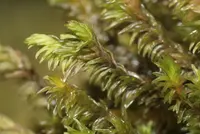
This moss is characterized by very slender, hair-like leaf tips that extend beyond the main leaf body, giving cushions a distinctly bristly, acicular appearance that helps distinguish it from related species in the Racomitrium complex.

Strong preference for siliceous rock

Populations occur most often on hard, silica-rich rocks such as granite and schist along streams and waterfalls, reflecting its adaptation to mineral-poor but stable substrates that are frequently splashed with clean, cool water.

Indicator of clean mountain water

It commonly grows in moist, montane and subalpine stream corridors with low nutrient loads and little pollution, so its presence is often associated with relatively intact, cool, well-oxygenated headwater systems.

FAQs about racomitrium moss

Growth is slow. In suitable cool, moist conditions, it usually extends only a few millimeters per year, forming low cushions or mats over several seasons. Poor moisture, high heat, or heavy foot traffic slow growth even further.

Grow Healthy Plants with Botan Care

Keep your plants happy and healthy with plant identification, disease detection, and easy care guidance.

Botan plant care app — identify plants on mobile

Explore More Plants