Warnstorf's sphagnum Care (Sphagnum warnstorfii)

Also known as: Fen Peatmoss, Warnstorf's Bog-moss
Warnstorf's sphagnum

About Warnstorf's sphagnum

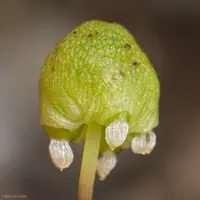
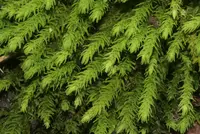
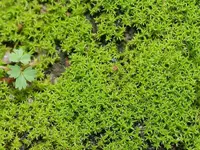
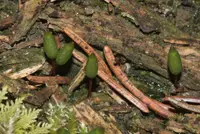
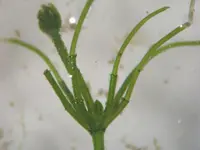
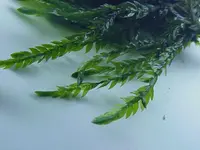
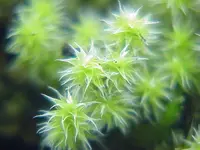
Warnstorf's sphagnum (Sphagnum warnstorfii) is a small, mat-forming moss that builds dense, cushion-like carpets in cool, wet habitats. It is commonly found in peat bogs, fens, and other acidic wetlands across northern and temperate regions.

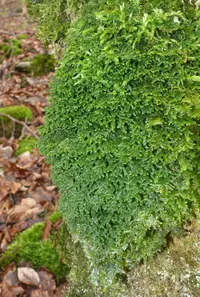
Its fine, overlapping leaves hold large amounts of water, giving the moss a soft, spongy texture and helping it tolerate fluctuating moisture at the surface. Color ranges from yellow‑green to reddish tones, often influenced by light and mineral content.

This species is adapted to strong, consistent moisture, soft low-mineral water, and low-nutrient, acidic substrates. These specialized needs make it more challenging to grow indoors, so learning how to care for Warnstorf's sphagnum is important before attempting cultivation.

Main Plant Requirements

Care Difficulty

Moderate Care

Light Preference

Partial Shade

Water Requirements

Aquatic

Temperature Preference

Cold Hardy

Hardiness Zone

1–7

Soil Texture

Peaty, Organic-rich, Silty

Soil pH

Strongly acidic (4.5–5.5)

Soil Drainage

Waterlogged tolerant

Fertilization

Minimal (feed rarely)

Get Personalized Care Plan

Scan your plant to receive care tips personalized for your specific plant

Available on iOS and Android

How to Care for the Warnstorf's sphagnum

This moss prefers cool, bright sites with protection from strong direct sun.

  • Provide 3–6 hours of soft, indirect light or light dappled shade each day; morning sun with afternoon shade works well in open sites.
  • Allow partial shade, especially in summer; growth often stays greener under light tree cover or beside taller bog plants that filter midday sun.
  • Avoid strong, direct sun for many hours, which can bleach and dry Warnstorf's sphagnum; increase shade or distance from reflective surfaces in midsummer.

This species needs continuously wet conditions and does not tolerate drying out.

  • Keep the substrate saturated; the surface should never crust or feel firm, and stems should sit on or just above standing water in naturalistic bog setups.
  • Reduce water depth slightly in cooler months but still keep the base wet; tips that turn pale, crispy, or shrink signal underwatering.
  • Watch for stagnant, foul-smelling water or dark, rotting stems as signs of poor drainage and low oxygen; gently flush with clean, low-mineral water to restore conditions for Sphagnum warnstorfii.

This cold-tolerant moss grows best in cool to mild temperatures.

  • Aim for 45–65°F (7–18°C) for steady growth; cool, moist air supports dense, healthy cushions and limits heat stress.
  • Tolerates brief drops to around 25°F (-4°C) when saturated but repeated hard freezes without snow cover can damage exposed tips.
  • In hot spells above 75°F (24°C), increase shade and humidity and ensure constant water; sustained heat above 85°F (29°C) with strong sun often leads to browning and dieback.

This moss needs constantly high humidity to stay vigorous in cultivation.

  • Maintain 80–100% humidity using trays of water, closed terrariums, or covered propagation boxes.
  • Dry air causes bleaching, crisped tips, and slowed growth, indicating humidity stress.
  • Increase humidity by misting with rain or distilled water and reducing air movement that speeds evaporation.

This species prefers saturated, acidic, organic substrates rather than mineral soil in cultivation.

  • Use a deep layer of pure, clean sphagnum fibers or a mix of chopped sphagnum and rain-soaked peat for structure.
  • Keep the medium permanently wet with standing water just below or at the base of the moss to mimic bog conditions.
  • Aim for very acidic conditions around pH 3.5–5.0; avoid lime, wood ash, or any alkaline amendments that raise pH.
  • Prevent compaction by gently fluffing the moss layer so oxygen can reach lower parts and decay remains limited for Sphagnum warnstorfii.

This species is suitable for container culture when moisture and water level are controlled precisely.

  • Choose a wide, shallow tray or tub so water can form an even, shallow pool beneath the moss mat.
  • Use a solid or mostly closed container base without drainage holes to maintain a constant water reservoir, but avoid submerging all growth.
  • Place containers on a stable, level surface so water depth stays uniform and dense cushions do not collapse or tilt.

This moss rarely needs feeding, since Sphagnum warnstorfii is adapted to nutrient-poor, acidic habitats.

Pruning focuses on hygiene and maintaining a healthy, even carpet of Sphagnum warnstorfii.

  • Trim discolored, dead, or decaying tips at any time with clean scissors to limit rot spread.
  • Thin out overly compact patches to improve airflow and light penetration to lower layers.
  • Remove contaminating plants, algae, or debris carefully to keep the colony uniform and vigorous.

Transplanting is mainly needed when colonies outgrow their tray or when conditions become unsuitable.

  • Move mats when growth slows, water quality declines, or the moss forms a dense, smothering layer.
  • Transplant in cool, mild weather or under indoor low light to reduce stress and evaporation.
  • Gently lift tufts, place on fresh, saturated acidic substrate, and press lightly for good contact.
  • Keep the newly set moss in constant high humidity and soft, low-mineral water until re-established.

Propagation of Sphagnum warnstorfii is straightforward through vegetative division rather than spores at home.

  • Best season is spring to early summer, when growth is most active.
  • Tear or cut living tips and small clumps, avoiding brown, older basal material.
  • Lay fragments on saturated, acidic substrate under bright, indirect light and very high humidity.
  • Use low-mineral, cool water and avoid drying to allow new branches and cushions to develop.

Outdoor colonies are quite cold hardy and usually need minimal winter care.

  • Tolerates freezing, but growth slows or pauses in winter conditions.
  • In containers, keep the substrate saturated and shield from strong drying winds.
  • Move trays indoors to a cool, bright, frost-free spot if prolonged hard freezes threaten.
  • Avoid using warm, dry indoor air; maintain high humidity to prevent desiccation of exposed cushions.

Care Tips

Use Rainwater Trays

Set shallow trays or basins filled with rainwater and place mesh or slatted supports just below the water surface so the moss cushions stay constantly moist without being submerged, which mimics its natural bog margin habitat.

Monitor Water Acidity

Use pH test strips on your water and tray reservoirs and keep the water slightly acidic (around pH 4.5–5.5) by avoiding alkaline tap water and by refreshing with collected rainwater or reverse-osmosis water when pH drifts upward.

Layered Colony Expansion

To expand a patch, press small live tufts gently into fresh, saturated sphagnum substrate at the edges of existing cushions, spacing them 2–3 cm apart to encourage fast lateral spread and a dense, even carpet.

Cold-Season Rest

If grown outdoors in suitable climates, gradually expose the moss to cooler autumn conditions and reduce handling so it can form a compact winter state, which improves resilience and growth when temperatures rise again.

Clean, Low-Mineral Surfaces

Establish colonies on inert, low-mineral surfaces such as washed quartz sand, clean plastic mesh, or peat-based pads to reduce mineral buildup and nuisance algae, which is especially helpful when caring for Warnstorf's sphagnum in containers or controlled environments.

Common Pests and Diseases

Fungus gnat larvae

This pest lives in constantly wet moss and its larvae feed on organic matter, sometimes damaging fine moss tissues and young growth. Symptoms include thinning patches, slowed regrowth, and small black adult gnats hovering above the moss surface.

Solution

Reduce organic debris in the moss, flush trays with clean, low‑nutrient water, and allow the surface to drain well between soakings while keeping the moss moist. Use fine mesh over drainage holes, yellow sticky traps for adults, and, if needed, apply a biological control like Bacillus thuringiensis israelensis (Bti) according to label directions to target larvae in the water layer.

Algal overgrowth

This disease-like condition occurs when green algae colonize saturated moss surfaces under high light and excess nutrients, forming slimy, bright green films. Symptoms include reduced moss vigor, slower vertical growth, and patches where moss turns dull or is overgrown by slick algae layers.

Solution

Lower nutrient input by using only low‑mineral water, reduce direct strong light, and increase gentle water movement or periodic flushing to disrupt algal films. Manually skim or rinse off thick algal layers and thin the moss so air and light can reach lower portions without overheating the surface.

Cyanobacterial crusts

This disease-like problem appears as dark blue‑green to blackish crusts on the moss surface, often in stagnant, nutrient‑rich water. Symptoms include localized dieback, poor new shoot formation, and a hardened surface that stays overly wet yet poorly aerated.

Solution

Improve water exchange by more frequent partial water changes and avoid standing, stagnant water around the colony. Carefully lift and rinse affected cushions in clean, cool, low‑nutrient water, physically remove crusted patches, and maintain cooler temperatures and moderate light to favor healthy growing Warnstorf's sphagnum over cyanobacteria.

Slugs and snails

These pests feed on soft moss tissue in humid, outdoor or greenhouse conditions, leaving unevenly grazed cushions and bare patches. Symptoms include irregular holes, shredded tips, and slime trails across the moss surface or container edges.

Solution

Hand-pick slugs and snails in the evening, remove nearby hiding spots such as dense debris, and use copper tape or fine barriers around trays to reduce access. If pressure is high, place iron phosphate-based slug bait outside the moss container, following label directions, to limit grazing without contaminating the wet substrate.

Gray mold (Botrytis)

This disease develops in stagnant, humid air, especially on shaded, overly dense moss mats, forming gray, fuzzy growth on weakened or dead tissue. Symptoms include browning, water-soaked areas that collapse, followed by gray mold covering older shoots and spreading in a patchy manner.

Solution

Increase airflow around the moss, avoid covering it with airtight lids, and remove any dead or decaying plant material promptly. Rinse affected areas with clean water, physically discard heavily infected patches, and keep the moss cool, bright, and moist but not smothered to reduce future Botrytis development.

Interesting Facts

Distinct red-brown pigmentation

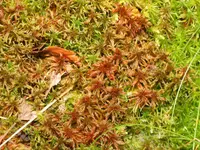
Warnstorf’s bogmoss often develops red to wine-brown tones in nutrient-poor, acidic bogs, especially under high light, which helps protect its cells from excess radiation and oxidative stress.

Indicator of minerotrophic conditions

Compared with many other peat mosses, this species prefers slightly minerotrophic habitats, so its presence can indicate mild groundwater influence and somewhat higher base cation levels in peatlands.

Major contributor to peat

In cool temperate and boreal regions of the Northern Hemisphere, this species can form dense carpets that play a significant role in long-term peat accumulation and carbon storage in fens and bog margins.

Botan icon

Did you know?

Molecular and morphological studies have shown that what was once treated broadly as Sphagnum warnstorfii actually includes several closely related lineages, so recent taxonomic work has split some populations into separate species to reflect this hidden diversity.

FAQs about Warnstorf's sphagnum

This moss performs best outdoors in cool, consistently wet, acidic conditions such as bogs or artificial bog gardens. Indoors it is harder to keep stable moisture, light, and temperature, so Warnstorf's sphagnum indoor care tends to be more challenging.

Grow Healthy Plants with Botan Care

Keep your plants happy and healthy with plant identification, disease detection, and easy care guidance.

Botan plant care app — identify plants on mobile

Explore More Plants