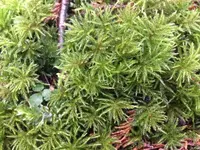
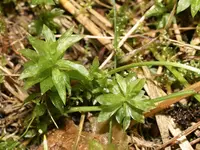
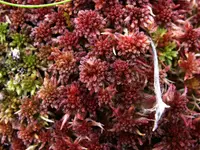
elliptic plagiomnium moss Care (Plagiomnium ellipticum)

Also known as: Marsh Thyme-moss
elliptic plagiomnium moss

About elliptic plagiomnium moss

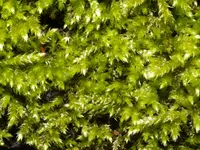
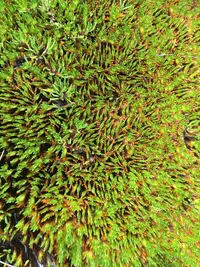
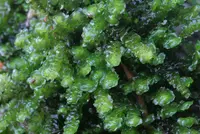
Elliptic plagiomnium moss (Plagiomnium ellipticum) is a small, leafy moss that forms low, bright green carpets or cushions. Its oval, slightly glossy leaves create a neat, textured look. It typically grows on moist soil, rotting wood, and shaded stream banks in cool, temperate forests across parts of North America and Eurasia. This species prefers consistent moisture and shelter from strong sun, which makes it well suited to terrariums and shaded outdoor spots. It is generally considered easy to maintain once its moisture needs are met, though it can dry out quickly in low humidity. Understanding how to care for elliptic plagiomnium moss helps keep its cushions dense and healthy.

Main Plant Requirements

Care Difficulty

Moderate Care

Light Preference

Shade

Water Requirements

Keep Soil Moist

Temperature Preference

Cold Hardy

Hardiness Zone

3–8

Soil Texture

Loamy, Silty, Organic-rich

Soil pH

Strongly acidic (4.5–5.5), Acidic (5.5–6.5)

Soil Drainage

Waterlogged tolerant

Fertilization

Minimal (feed rarely)

Get Personalized Care Plan

Scan your plant to receive care tips personalized for your specific plant

Available on iOS and Android

How to Care for the elliptic plagiomnium moss

This moss prefers cool, moist sites with soft, indirect light rather than direct, intense sun.

  • Provide bright dappled shade or filtered light, such as under shrubs or open woodland, with only brief morning sun and no harsh afternoon sun.
  • Aim for 2–4 hours of soft, indirect light; dense shade slows growth and causes thinning, while strong direct sun scorches and dries elliptic plagiomnium moss.
  • In summer, protect from midday sun with leaf litter or shade from taller plants; in winter, increased low-angle light is usually safe if moisture is maintained.

Plagiomnium ellipticum needs consistently moist conditions and does not tolerate drying out.

  • Keep the substrate evenly moist; the surface should feel damp to the touch but not have standing water or a soupy texture.
  • Water whenever the top 0.5–1 cm starts to lose its sheen or feel less cool; pale, crisp edges indicate underwatering, while slimy, collapsing shoots suggest overwatering.
  • In cooler seasons, reduce watering slightly but never allow complete drying, and ensure the site drains slowly so excess water can move away without leaving the moss submerged.

This moss thrives in cool to mild climates and declines in prolonged heat or hard freezes.

  • Ideal growth occurs around 50–68°F (10–20°C), with steady moisture; temperatures in this range support dense, green cushions.
  • It tolerates short dips near 28–32°F (-2–0°C), but repeated hard freezes with no insulating snow or leaf litter can damage tissues.
  • In hotter periods above 77–82°F (25–28°C), provide extra shade and moisture, since combined heat and drying wind can cause browning and dieback.

This moss prefers consistently moist, high-humidity conditions to maintain dense, green growth.

  • Aim for 70–90% humidity, as elliptic plagiomnium moss dries quickly in typical heated or air-conditioned rooms.
  • Watch for curling, crisping leaf tips or dull, patchy green color as signs of low-humidity stress.
  • Increase humidity with a closed terrarium, humidity dome, or frequent fine misting, avoiding prolonged dripping water.

Plagiomnium ellipticum grows best in consistently moist, soft, organic-rich substrates that mimic a forest floor.

  • Use a fine-textured mix of 60–70% sphagnum peat or coco coir with 30–40% leaf mold or compost for structure and nutrients.
  • Ensure slow but steady drainage; the surface should feel moist, never waterlogged or crusted after watering.
  • Aim for slightly acidic conditions around pH 5.0–6.5 to match its typical woodland and stream-bank habitats.
  • Avoid gritty, sandy, or bark-heavy mixes and compacted soils, which dry too fast and reduce aeration around the rhizoids.

This species is well suited to shallow containers, trays, and terrariums that maintain consistent surface moisture.

  • Choose a wide, shallow container so the moss can spread horizontally while the entire surface stays evenly moist.
  • Add a coarse drainage layer beneath the moss substrate to prevent stagnant water sitting in the root zone.
  • Prefer non-porous containers like glass or glazed ceramic to slow evaporation and keep humidity higher around the mat.

This moss grows well in low-nutrient conditions, so fertilizing Plagiomnium ellipticum should stay very light and infrequent.

  • Use a very dilute balanced liquid fertilizer (around 1/8–1/4 strength, such as 10-10-10) only if growth appears weak in a container setup.
  • Apply during the growing season every 6–8 weeks at most, onto moist substrate, never onto completely dry moss.
  • Avoid slow-release pellets directly on the colony, as they can burn delicate tissues or encourage algae growth.
  • Do not feed in winter or when growth is dormant; excess nutrients then increase rot and moss dieback.

Plagiomnium ellipticum needs only minimal pruning, mainly for grooming and colony control rather than shaping.

  • Best timing is during active growth in spring or early summer, when recovery is fastest.
  • Snip away dead, browned, or damaged shoots with fine scissors to reduce decay and mold.
  • Thin crowded or overly tall patches by trimming shoot tips, which encourages denser, low growth.
  • Disinfect tools before use to limit fungal spores or bacteria spreading between moss cultures.

Transplanting this moss focuses on renewing substrate and managing spread rather than traditional repotting cycles.

  • Consider moving patches when growth slows, pads lift from the surface, or the substrate compacts and drains poorly.
  • Best timing is in cool, moist weather in spring or early fall to reduce transplant shock.
  • For containers, refresh the shallow substrate every 1–2 years instead of using deeper pots.
  • Lift thin mats gently, keep the rhizoids and attached soil intact, then press onto fresh, moist, shaded substrate.

Propagation of Plagiomnium ellipticum is straightforward by division of existing mats rather than from spores for home growers.

  • Divide during spring or early fall when conditions are cool and consistently moist.
  • Tear or cut small pads that include healthy green shoots and attached rhizoids.
  • Press divisions firmly onto fresh, fine-textured, moist substrate in bright shade.
  • Maintain high humidity and gentle misting until new anchoring growth and spread are visible.

This moss is generally cold hardy in temperate climates and needs little special winter care in the ground.

  • In very exposed sites, a light leaf mulch around the colony edges keeps the substrate from extreme freezing and drying.
  • For containers, move trays to a cold, sheltered spot out of drying wind while keeping the substrate slightly moist.
  • Avoid complete drying or repeated freeze-thaw cycles, which can loosen mats and damage rhizoids in elliptic plagiomnium moss.

Care Tips

Use Shallow Substrate

Provide a shallow substrate layer 1–3 cm deep over a solid base (rock, wood, or compacted soil) so the moss mats can anchor firmly without staying waterlogged at the rhizoids.

Pre‑Soak Mounts

Before attaching fragments to rock, wood, or terrarium hardscape, soak both the moss and the surface in clean, dechlorinated water for 15–30 minutes to improve adhesion and reduce initial transplant shock.

Create Gentle Slopes

Shape the planting surface into very slight slopes or undulations so excess water drains away from the moss crowns while still keeping the overall environment evenly moist.

Use Fine Misting

When maintaining humidity, use a fine‑nozzle mister held at least 20–30 cm away to moisten the colony without physically damaging the delicate leaf margins or washing away small fragments.

Seasonal Thinning

Once or twice a year, thin out overly dense patches by gently lifting and removing small tufts to improve air movement through the mat and limit fungal issues when growing elliptic plagiomnium moss.

Common Pests and Diseases

Springtails

These insects thrive in constantly wet moss substrates and feed on decaying organic matter, sometimes grazing on tender moss tissue. Symptoms include tiny jumping white or gray insects visible when the substrate is disturbed.

Solution

Reduce waterlogging by allowing the terrarium or tray to drain well, and avoid standing water over the moss. Rinse the colony gently with dechlorinated water, improve ventilation, and, if populations stay high, use yellow sticky traps or a targeted insecticidal soap rinse around but not saturating the moss carpet.

Moss mites

This pest consists of tiny arthropods that move slowly through the moss carpet and feed on moss cells, leading to thinning, patchy, or browned cushions. Symptoms include a dusty moving film on close inspection and gradual decline of dense patches.

Solution

Submerge the moss briefly in clean, cool, dechlorinated water to dislodge mites, then drain thoroughly. Improve hygiene by removing debris, avoid overfeeding if kept with terrarium animals, and repeat immersion or use a mild, moss-safe acaricidal soap on surrounding hard surfaces rather than directly soaking the moss repeatedly.

Algal overgrowth

This disease-like condition occurs when algae colonize constantly wet, nutrient-rich surfaces, forming slimy green films over the moss. Symptoms include slick, bright green layers that smother shoots and reduce photosynthesis.

Solution

Decrease light intensity or duration to a moderate level, reduce dissolved nutrients by using low-mineral water, and increase air exchange. Gently brush or rinse off algal films from the moss surface and avoid fertilizer use, which is not needed for Plagiomnium ellipticum care in most setups.

Fungal blight

This disease develops in stagnant, overly humid conditions and causes localized browning, collapse, or fuzzy white or gray growth on moss patches. Symptoms include sudden dieback in clumps while nearby areas remain green.

Solution

Remove and discard affected patches plus a small margin of healthy moss, then improve airflow and reduce overcrowding in the terrarium or propagation tray. Allow the surface to dry slightly between mistings, use only clean tools and containers, and if needed rinse remaining healthy moss with a mild dilute hydrogen peroxide solution followed by thorough fresh-water flushing.

Slugs and snails

These pests are attracted to moist, shaded moss beds and graze on the soft shoots, leaving ragged patches and slime trails. Symptoms include irregular holes, missing cushions, and silvery mucus on or near the colony.

Solution

Hand-pick slugs and snails in the evening, use physical barriers such as copper tape around trays, and remove hiding spots like decaying leaves or stones in close contact with the moss. For outdoor culture, shallow beer traps or iron phosphate bait placed away from the moss can reduce populations without directly contaminating the bed used to grow Plagiomnium ellipticum.

Interesting Facts

Distinctively elliptic leaves

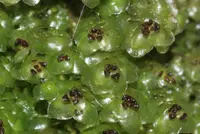
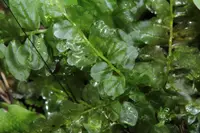
This species is named for its broad, elliptic leaf shape with a finely toothed margin, which clearly differentiates it from many similar-looking woodland mosses that have narrower or lance-shaped leaves.

Indicator of moist forests

It commonly grows on shaded, moist soil or rotting wood in cool temperate forests across North America, where its presence often signals stable moisture and relatively undisturbed, humus-rich substrates.

Nutrient and water micro‑reservoir

The dense, carpet-like growth traps leaf litter and fine organic particles, helping to retain water and nutrients at the forest floor and creating a favorable microhabitat for small invertebrates and microbial communities.

Botan icon

Did you know?

This species often reproduces vegetatively from broken shoot fragments, so even small pieces carried by water flow or animals can establish new patches, making it highly effective at colonizing suitable moist forest microhabitats.

FAQs about elliptic plagiomnium moss

This species generally performs better outdoors in cool, shaded, consistently moist sites, similar to stream banks or forest floors. Indoors it can survive in terrariums if humidity stays high and temperatures remain stable, without strong air movement.

Grow Healthy Plants with Botan Care

Keep your plants happy and healthy with plant identification, disease detection, and easy care guidance.

Botan plant care app — identify plants on mobile

Explore More Plants