Maintain Cool Microclimate
Place the culture tray on a shallow layer of moist sand or fine gravel and keep this layer damp to buffer temperature spikes and keep the thin shoots from drying out during short warm periods.

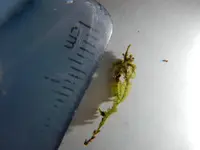
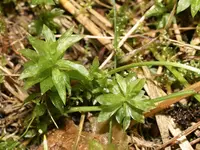
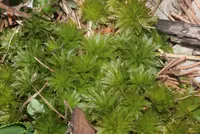
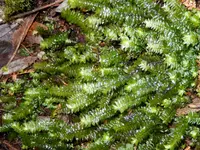
Various-leaved crestwort, Lophocolea heterophylla, is a small leafy liverwort that forms soft, flat mats on damp, shaded surfaces. It often coats rotting wood, soil banks, and the bases of trees in cool, humid forests.
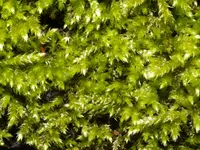
Its shoots are thin and branching, with overlapping green to yellow-green lobed leaves that hug the surface and create a fine, moss-like carpet. This species is common across temperate regions, especially in Europe and parts of North America, where moisture and shade are consistent.
It is sensitive to drying out and pollution, which can make it challenging indoors unless humidity and gentle airflow are stable. Those who want to learn how to care for Various-leaved Crestwort should focus on constant moisture, soft light, and a protected, undisturbed substrate.

Care Difficulty
Moderate Care

Light Preference
Shade

Water Requirements
Keep Soil Moist

Temperature Preference
Cool Climate

Hardiness Zone
5–9

Soil Texture
Loamy, Silty, Organic-rich

Soil pH
Strongly acidic (4.5–5.5), Acidic (5.5–6.5)

Soil Drainage
Waterlogged tolerant

Fertilization
Minimal (feed rarely)
Scan your plant to receive care tips personalized for your specific plant
Available on iOS and Android
This small liverwort prefers cool, subdued light similar to a shaded forest floor.
This species thrives in consistently moist, never dry conditions on soil, rotting wood, or rock.
This temperate liverwort prefers cool to mild conditions and suffers in temperature extremes.
This species needs consistently high humidity to thrive in cultivation.
Lophocolea heterophylla prefers a soft, moist, highly organic substrate rather than a conventional potting soil.
This species can be grown in shallow containers or terraria if moisture and stability are carefully controlled.
This small liverwort has very low nutrient demand, so fertilizing Various-leaved Crestwort should be minimal and carefully diluted.
Pruning Lophocolea heterophylla is light and mainly hygienic, aimed at keeping mats dense and healthy.
This liverwort is usually grown on surfaces or shallow substrates, so transplanting focuses on refreshing its environment rather than upsizing containers.
Propagation of this species is straightforward and usually done vegetatively rather than from spores.
This temperate liverwort is quite cold tolerant in the ground but needs stable, cool-moist conditions in cultivation during winter.

Plant Health Check
Not sure what's wrong with your plant? Check your plant's health inside the app.
This liverwort is widely used in Europe as an indicator species for long-established, relatively undisturbed deciduous woodland, especially in moist, shaded sites with rotting logs and leaf litter.
It shows a strong tendency to colonize decaying hardwood, especially well-rotted stumps and fallen branches, where its creeping shoots help break down the wood and contribute to nutrient cycling.
Its leafy shoots have two larger lateral leaf rows and a reduced third row of underleaves, a feature that, along with the divided leaf tips, helps bryologists distinguish it from similar small liverworts on forest floors and log surfaces.
This species spreads slowly to moderately by creeping stems and fragmentation. It can form soft mats on damp substrates but is not considered aggressive. In gardens or terrariums, edges are easily controlled by gently lifting and trimming excess growth.
Keep your plants happy and healthy with plant identification, disease detection, and easy care guidance.