Fat Bog Moss Care (Sphagnum papillosum)

Also known as: papillose sphagnum, Papillose Peatmoss, Papillose Bog-moss
Fat Bog Moss

About Fat Bog Moss

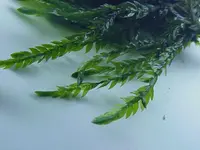
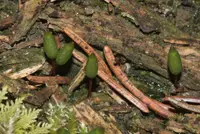
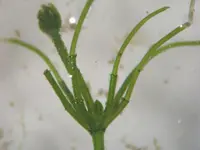
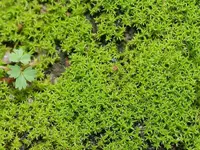
Fat bog moss, Sphagnum papillosum, is a bog-forming moss that builds soft, spongy carpets in wetlands. It is a non-vascular plant, meaning it has no true roots or stems.

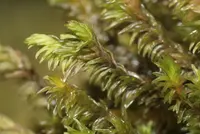
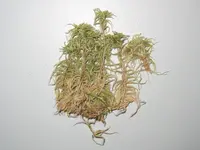
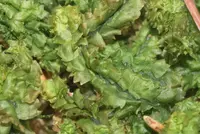
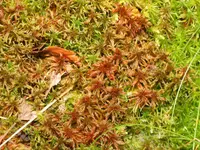
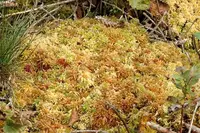
Its dense cushions are usually pale green to yellow-green, sometimes tinged brown or red, and grow tightly packed in moist hollows. The tiny leaves hold large amounts of water, which helps the moss shape acidic, nutrient-poor peat bogs.

In nature, it occurs across cool, wet regions of Europe and parts of North America, always in consistently damp, low-nutrient sites. To care for Fat Bog Moss at home, conditions need to mimic its habitat with constant moisture, gentle light, and very low fertility.

This makes it specialized and somewhat demanding, but stable, humid setups such as terrariums or bog containers can support healthy growth.

Main Plant Requirements

Care Difficulty

Hard Care

Light Preference

Partial Shade

Water Requirements

Aquatic

Temperature Preference

Cool Climate

Hardiness Zone

3–8

Soil Texture

Peaty, Organic-rich, Silty

Soil pH

Strongly acidic (4.5–5.5)

Soil Drainage

Waterlogged tolerant

Fertilization

Minimal (feed rarely)

Get Personalized Care Plan

Scan your plant to receive care tips personalized for your specific plant

Available on iOS and Android

How to Care for the Fat Bog Moss

This moss thrives in cool, consistently moist habitats with low to moderate light.

  • Provide bright shade or dappled light, such as under grasses or low shrubs, avoiding direct midday sun that can scorch Fat Bog Moss and dry its surface rapidly.
  • Aim for 2–4 hours of gentle morning or late-afternoon sun, with filtered or fully overcast light for the rest of the day in open bog or wetland sites.
  • In summer, protect from strong afternoon sun; in winter, increased low-angle light is generally safe as long as the substrate stays saturated.

This bog moss requires constant saturation rather than intermittent watering cycles.

  • Keep the substrate fully wet so water sits at or just above the moss base; there should be no drying of the top layer at any time.
  • Use low-mineral, soft, or rainwater where possible, since hard, alkaline water can cause browning and gradual decline in Sphagnum papillosum.
  • In hot or windy weather, increase watering frequency so the area never feels only damp; pale, crisp tips signal drying, while foul odor or collapse suggests stagnant, anaerobic conditions.

This species prefers cool to mild conditions and is sensitive to both hard frost and extreme heat.

  • Optimal growth occurs around 50–68°F (10–20°C), typical of cool, wet bog climates with high humidity and minimal temperature swings.
  • Short exposures down to about 23–28°F (-5 to -2°C) may be survived if the moss is fully saturated, but repeated freeze–thaw cycles can damage tissues.
  • Above 77–82°F (25–28°C), growth slows and desiccation risk rises; provide shade, high humidity, and abundant water during hot spells to limit stress.

This moss requires very high, consistently moist air to stay healthy.

  • Aim for 80–100% humidity; anything below 70% quickly leads to drying and browning tips.
  • It does not tolerate dry indoor air or heating vents and will crisp at the edges when stressed.
  • Increase humidity with closed or semi-closed terrariums, covered trays with water below the moss, or frequent fine misting that never fully dries out.

Sphagnum papillosum thrives in water-retentive, acidic, low-nutrient substrates rather than typical potting mixes.

  • Use a base of pure long-fiber sphagnum or a mix of 70–90% sphagnum with 10–30% coarse sand for structure.
  • Keep the substrate very acidic (pH 3.5–5.5); avoid lime, ash, or any alkaline amendments that raise pH.
  • Maintain a spongy, fibrous texture that holds water yet allows air spaces; do not compact the moss layer firmly.
  • Avoid nutrient-rich composts or manures, which promote algae and rot; use only soft, low-mineral water to prevent salt buildup.

This species can be grown successfully in shallow containers that maintain constant surface moisture.

  • Choose wide, shallow trays so the moss forms an even mat while excess water can sit just below, not above, the growing surface.
  • Use solid-sided plastic or glazed ceramic containers to slow evaporation and keep the substrate constantly damp.
  • Place containers inside a larger watertight tray to create a stable water reservoir without submerging the moss layer.

This moss species is adapted to extremely nutrient-poor bogs and should not be fertilized in cultivation.

Pruning Sphagnum papillosum is minimal and mainly about hygiene, not shaping.

  • Trim away brown, dead, or decaying tips anytime to reduce rot and fungal issues.
  • Use clean scissors to snip small sections rather than tearing clumps apart.
  • Avoid cutting deeply into healthy green capitula, as this slows vertical growth.
  • Remove crowded, decomposing lower layers if air circulation is poor in dense cultures.

Container-grown Sphagnum papillosum is usually transplanted only when growth becomes too dense or conditions decline.

  • Look for very compacted mats, slow extension, or decomposing lower layers as cues to transplant.
  • Best timing is in cool, moist weather or during mild seasons to limit moisture loss.
  • Divide the mat gently by hand, keeping clumps with intact green tips and some lower stem.
  • Place divisions onto fresh, saturated acidic substrate and keep evenly wet to reduce stress.

Sphagnum papillosum is commonly propagated vegetatively from live green shoots.

  • Harvest only the top 2–3 cm of healthy, bright green capitula for best regrowth.
  • Spread fragments loosely on saturated, acidic medium with constant high humidity and bright, indirect light.
  • Spring to early fall is the most reliable period for new growth establishment.
  • Avoid burying fragments; they should rest on the surface so light reaches growing tips.

In its native range this moss is cold hardy and usually needs little special winter care outdoors.

  • In-ground bog beds generally tolerate freezing, provided the substrate stays moist, not completely dry.
  • For containers, move pots into an unheated but frost-free or sheltered spot in very severe climates.
  • Maintain damp, not waterlogged, conditions in winter to limit ice damage and tissue desiccation.

Care Tips

Water Table Control

Grow the moss in a tray or bog container with a stable water table about 1–3 cm below the moss surface, topping up with rain or distilled water rather than overhead soaking to prevent stagnant, anaerobic conditions in the upper layer.

Layered Colony Renewal

Every 6–12 months, gently lift and remove the oldest, dark brown, decomposing lower layer and replant only the firm green or red tips, which keeps the colony vigorous and reduces rot buildup.

Clean Substrate Start

Use an inert, low-nutrient base such as rinsed silica sand, fine perlite, or long-fiber dead sphagnum under the live tops, and pre-rinse all materials to remove dust and dissolved minerals that could stress the moss.

Shade Net Management

Outdoors, stretch 30–50% shade cloth 30–60 cm above the moss to diffuse intense midday sun and reduce evaporative stress while still allowing enough light for compact, healthy growth.
Cold Season Protection

In climates with freeze–thaw cycles, keep containers in a cold frame or unheated greenhouse so the moss can stay cold and moist without repeated hard freezing, which helps maintain growth points for the next season when growing Fat Bog Moss.

Common Pests and Diseases

Algal overgrowth

Symptoms include bright green, slimy films forming on the moss surface, often in stagnant, nutrient-rich water. This usually appears under strong light and warm, still conditions.

Solution

Reduce nutrient input by using distilled or rainwater only, lower light intensity slightly, and increase water movement or gentle aeration. Manually rinse or siphon away algae from the moss surface and containers, and avoid fertilisers in any form for proper Sphagnum papillosum care instructions.

Fungal browning

This disease causes patches of stems and heads to turn brown, collapse, and decay, often starting in dense, poorly ventilated cushions. This usually develops under warm, stagnant, and overly wet indoor or terrarium conditions.

Solution

Remove and discard all browned, mushy sections, then thin the moss layer to improve air movement. Maintain cool to moderate temperatures, avoid waterlogging by allowing brief drainage between soakings, and provide gentle airflow without drying the moss out completely.

Mite damage

These pests feed on young moss tips, leading to pale, rough, or shredded-looking capitula (growing heads). This pest is more common in indoor or terrarium culture with dry pockets and limited air movement.

Solution

Increase ambient humidity and gently rinse the moss under soft, cool water to dislodge mites. For persistent infestations, isolate the culture and apply a targeted, low-toxicity miticide safe for mosses, following label dilution carefully and avoiding repeated heavy applications.

Springtail overpopulation

These insects usually act as decomposers but can become problematic when their numbers explode in very wet, organic-rich setups, disturbing new growth and compacting the moss surface. Symptoms include constant movement of tiny white insects across water films and moss cushions.

Solution

Improve drainage slightly and reduce excess organic debris so conditions are less favorable for rapid springtail breeding. Manually flush the culture with clean, cool water, use fine mesh barriers, and if needed introduce natural predators such as predatory mites in enclosed setups rather than chemical controls.

Cyanobacterial crust

This disease forms dark blue-green, sometimes blackish, slimy or crusty layers that bind the moss surface and reduce growth. Symptoms include reduced water absorption and stunted, yellowing tips beneath the crusted areas.

Solution

Gently scrape or rinse off affected surface layers, removing and discarding the worst patches of moss. Improve water quality by using low-nutrient distilled or rainwater, increase gentle water flow or periodic flushing, and reduce temperature and light intensity slightly to discourage cyanobacterial growth.

Interesting Facts

Papillose leaf cells

This moss has distinctive inflated, nipple-like cell projections (papillae) on its leaf surfaces, which give the plant a slightly rough texture under magnification and help distinguish it from many other Sphagnum species.

Wet, minerotrophic specialist

It typically dominates very wet, minerotrophic to weakly minerotrophic bog and poor fen habitats in Atlantic parts of Europe, favoring sites with constant groundwater influence rather than ombrotrophic, rain-fed bog tops.

Key peat-forming engineer

Its dense, waterlogged carpets strongly acidify and cool the microhabitat, slowing decomposition and contributing significantly to peat accumulation in the Atlantic bog complexes where it occurs.

Botan icon

Did you know?

Genetic and morphological studies have shown that this species belongs to the Sphagnum subgenus Sphagnum and forms part of a closely related complex with species such as Sphagnum magellanicum and Sphagnum palustre, making it an important reference taxon for understanding evolutionary relationships within peat mosses.

FAQs about Fat Bog Moss

This species spreads gradually by creeping stems and forming cushions, not by fast runners. In a garden or container it enlarges slowly, creating a dense mat but rarely overruns nearby plants if moisture is controlled.

Grow Healthy Plants with Botan Care

Keep your plants happy and healthy with plant identification, disease detection, and easy care guidance.

Botan plant care app — identify plants on mobile

Explore More Plants