Use sterile substrate
Before introducing moss fragments, pasteurize collected leaf litter or bark in an oven at 180–200°F for 30–40 minutes to reduce competing fungi and algae that can quickly overrun slow-growing Rhodobryum ontariense colonies.

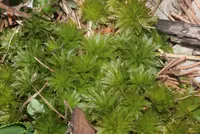
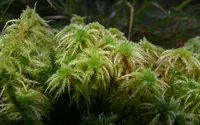
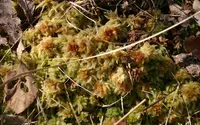
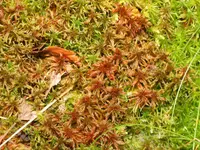
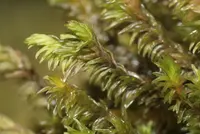
Ontario rhodobryum moss (Rhodobryum ontariense) is a low, cushion-forming moss known for its dense rosettes that resemble tiny green flowers. It is a bryophyte, a simple non-vascular plant that absorbs water across its leaf surface.
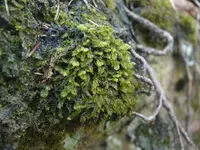
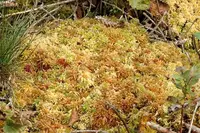
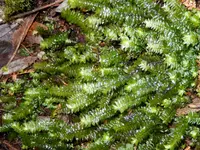
This moss typically grows on shaded forest floors, decaying logs, and moist soil in cool, temperate regions of North America. It prefers stable moisture, moderate shade, and undisturbed substrates, which can make it sensitive to drying out.
For those who want to care for Ontario rhodobryum moss, its main challenges are maintaining consistent humidity and avoiding direct, harsh sun or strong air movement that can cause rapid desiccation.

Care Difficulty
Moderate Care

Light Preference
Partial Shade

Water Requirements
Keep Soil Moist

Temperature Preference
Cold Hardy

Hardiness Zone
3–8

Soil Texture
Loamy, Silty, Organic-rich

Soil pH
Strongly acidic (4.5–5.5), Acidic (5.5–6.5)

Soil Drainage
Moist but well-drained

Fertilization
Minimal (feed rarely)
Scan your plant to receive care tips personalized for your specific plant
Available on iOS and Android
This moss prefers soft, woodland-style light rather than direct, exposed sun.
Moist, never stagnant conditions suit this moss best.
This species prefers cool to mild conditions with protection from extremes.
This moss needs consistently high humidity to maintain lush, attached cushions.
This moss prefers a shallow, moist, organic substrate rather than conventional potting soil.
This species adapts well to shallow containers and dish gardens when moisture is carefully controlled.
This moss relies mainly on clean, mineral-poor moisture, so Ontario rhodobryum moss care instructions involve only very light feeding in culture.
Rhodobryum ontariense needs only minimal pruning, mainly for tidiness and colony health in cultivation.
This moss is usually transplanted as patches rather than repotted in the traditional sense.
Rhodobryum ontariense is commonly propagated by vegetative division of cushions rather than from spores in home culture.
In the ground this moss is cold hardy and usually needs no special winter care beyond stable moisture.

Plant Health Check
Not sure what's wrong with your plant? Check your plant's health inside the app.
This species forms distinct, flat leaf rosettes that resemble tiny green waterlily pads, a feature that makes it easy to distinguish from many other bryophytes in the field.
It is native to cool, temperate regions of eastern North America and is especially associated with shaded, moist forest habitats in areas such as Ontario and the northeastern United States.
The moss often grows on stable, shaded rocks or thin soil over rock in mature forests, where constant moisture and reduced disturbance allow its characteristic rosettes to persist for long periods.
Growth is slow to moderate. In good conditions it often extends only a few millimeters per year, forming tight rosettes rather than long carpets. Stable moisture, cool temperatures, and low disturbance help grow Rhodobryum ontariense more vigorously.
Keep your plants happy and healthy with plant identification, disease detection, and easy care guidance.