Plagiochila porelloides Care

Plagiochila porelloides

About Plagiochila porelloides

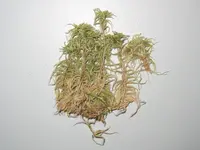
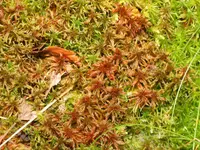
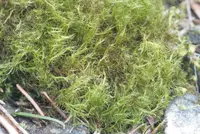
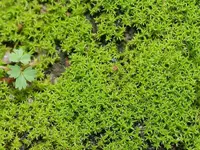
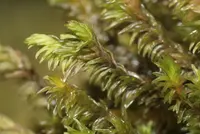
Plagiochila porelloides is a leafy liverwort, a non-vascular plant that forms low, flat mats on damp surfaces. It has overlapping, bright to dark green leaves that create a soft, moss-like carpet.

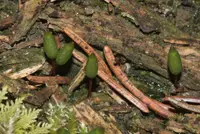
This species typically grows on shaded, moist rocks, rotting wood, and soil banks in cool, humid forests and stream edges across parts of Europe and North America. It prefers consistently damp, clean, and well-aerated conditions, which makes indoor culture more challenging than many common houseplants.

Those wanting to learn how to care for Plagiochila porelloides should know it is sensitive to drying out, stagnant air, and strong light, but thrives with stable moisture and gentle shade.

Main Plant Requirements

Care Difficulty

Hard Care

Light Preference

Shade

Water Requirements

Keep Soil Moist

Temperature Preference

Cool Climate

Hardiness Zone

Unknown

Soil Texture

Peaty, Organic-rich

Soil pH

Strongly acidic (4.5–5.5), Acidic (5.5–6.5)

Soil Drainage

Waterlogged tolerant

Fertilization

Minimal (feed rarely)

Get Personalized Care Plan

Scan your plant to receive care tips personalized for your specific plant

Available on iOS and Android

How to Care for the Plagiochila porelloides

This species prefers low, forest-like light rather than direct sun exposure.

  • Provide bright to medium shade, such as dappled woodland light or 1–2 hours of weak early-morning sun, avoiding direct sun from late morning to afternoon.
  • Aim for 6–10 hours of indirect or filtered light; strong midday sun can scorch delicate shoots and cause bleaching or drying of Plagiochila porelloides.
  • In summer, protect from reflected heat and intense light; in winter, allow more open shade but still shield from direct, low-angle sun in exposed sites.

This liverwort requires constantly moist but not waterlogged conditions.

  • Maintain evenly moist substrate, never letting the surface fully dry; in the wild it often grows on damp rocks, rotting wood, or saturated soil near streams.
  • Use soft, low-mineral water and apply gently whenever the surface film starts to dull or feel less slick, rather than on a fixed schedule.
  • Watch for overwatering signs such as foul smell, slimy patches, or gray mold, and underwatering signs such as curling, crisping edges, and dull, brownish fronds.

This plant is adapted to cool, humid, shaded habitats with moderate temperature fluctuations.

  • Aim for 50–68°F (10–20°C) for steady growth, with coolest conditions at night; stable, cool temperatures help maintain dense, fresh-looking mats.
  • Tolerates short dips to about 32°F (0°C) if kept moist and sheltered, but repeated or hard frosts can damage shoots and thin the colony.
  • Avoid prolonged heat above 77–82°F (25–28°C); combine shade, high humidity, and good air movement to reduce stress during hot, dry periods.

This bryophyte needs constantly moist air and struggles in typical dry indoor conditions.

  • Aim for 80–100% humidity, mimicking a shaded stream bank or forest-floor microclimate.
  • Dry air causes pale, crisping shoot tips and shrinking mats that pull away from the substrate.
  • Use covered terrariums, humidity domes, or closed propagation trays rather than open pots to maintain stable moisture.

This species prefers a loose, spongy, organic substrate that stays evenly moist but never stagnant.

  • Use a mix of finely milled sphagnum, leaf mold, and a small amount of sand or fine orchid bark for structure.
  • Ensure very rapid drainage so water moves through in seconds, while the organic fibers hold surface moisture.
  • Keep pH slightly acidic, around 5.0–6.0, avoiding limed mixes or high-calcium tap water where possible.
  • Avoid compacted potting composts or heavy garden soil that reduce aeration and encourage anaerobic, foul-smelling conditions.

This liverwort can be grown in shallow containers, especially closed setups that conserve humidity.

  • Choose wide, shallow trays so the creeping mats can spread horizontally without deep, unused substrate staying waterlogged.
  • Select clear plastic or glass containers with lids to create a stable, high-humidity boundary layer over the colony.
  • Add a thin, inert drainage layer of rinsed gravel under the substrate to buffer excess water and prevent constant saturation at the rhizoid zone.

This liverwort is adapted to low-nutrient habitats and usually needs no additional fertilizer in cultivation.

Plagiochila porelloides benefits from light grooming rather than structural pruning.

  • Trim back dead or decaying shoots at any time using small, sharp scissors to limit rot spread.
  • In spring or early summer, thin congested pads slightly to maintain airflow and prevent fungal issues.
  • Remove dislodged or shading debris by hand to keep fronds exposed to light and prevent smothering.

This species is usually grown on stone, wood, or shallow trays, so transplanting is infrequent and should be gentle.

  • Transplant when mats detach, dry out quickly, or growth stalls despite good moisture and light.
  • Choose cool, moist seasons, typically spring or early autumn, to lower stress during establishment.
  • Lift patches with underlying substrate intact, then press onto fresh, rough, acidic medium such as rock wool, bark, or stone.
  • Mist thoroughly, keep evenly humid, and shade from strong sun for 1–2 weeks to allow rhizoids to reattach.

Plagiochila porelloides is commonly multiplied by vegetative division rather than spores in hobby culture.

  • In spring or early summer, tear or cut small healthy segments from vigorous mats, keeping several growing tips per piece.
  • Press segments onto moist, rough surfaces such as bark, rock, or fine mesh so rhizoids can anchor.
  • Maintain high humidity, gentle air movement, and low to medium light until new lateral shoots appear.
  • Avoid covering pieces with soil; use only a thin moss or leaf-litter dusting if extra moisture retention is needed.

This cool-temperate liverwort is fairly cold tolerant but dislikes freezing-drying cycles in exposed cultivation.

  • In outdoor trays, place in a shaded, sheltered spot that stays cool but not wind-scoured.
  • Keep substrate lightly moist; do not allow repeated freeze–thaw drying of the mats.
  • For containers in very cold climates, overwinter in a cold, frost-free space such as an unheated garage or greenhouse.

Care Tips

Moss-style mounting

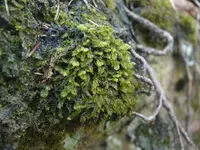
Attach the plant to a porous stone, terracotta shard, or bark slab using a thin layer of sphagnum moss and nylon thread so the creeping shoots can root along the surface and form a stable, spreading mat.

Capillary watering tray

Set the mounted or potted colony on a capillary mat or fleece with one edge dipping into a shallow reservoir so the substrate stays evenly moist without direct standing water around the rhizoids.

Gentle airflow management

Use a small, low-speed fan outside the terrarium or tank to create very light air movement, which reduces mold and algae growth on the thallus while avoiding direct drafts that cause desiccation.

Algae and moss control

Periodically thin out faster-growing mosses and scrape off green algae films from the substrate and hardscape so the plant is not shaded or overgrown by more aggressive colonizers.

Cool-season adjustment

During cooler months, slightly reduce watering frequency and improve air circulation while maintaining high humidity to limit fungal issues when growing Plagiochila porelloides in closed or semi-closed setups.

Common Pests and Diseases

Fungus gnat larvae

This pest lives in constantly wet substrates and feeds on delicate rhizoids and young tissue, especially in saturated terrarium moss banks. Symptoms include patchy dieback, thinning mats, and fragile, disintegrating shoots at the surface of the substrate.

Solution

Reduce saturation by allowing the substrate surface to become just barely moist rather than waterlogged, and increase airflow without letting the colony dry out. Use yellow sticky traps for adults and, if needed, apply a biological control such as Bacillus thuringiensis israelensis (Bti) in irrigation water to target larvae while monitoring the colony for stress.

Algal overgrowth

This condition develops on persistently waterlogged, nutrient-enriched surfaces where bright light and standing moisture favor filamentous or slimy green films. Symptoms include a slippery, bright green layer that smothers shoots and prevents normal gas exchange and growth.

Solution

Reduce dissolved nutrients by using low-mineral water, shorten light duration slightly, and increase gentle air movement to limit standing water films. Manually rinse or gently brush off heavy algal layers in a basin of clean water, then maintain high humidity with a more intermittent misting pattern to favor the liverwort over algae.

Gray mold (Botrytis)

This disease appears in stagnant, humid setups with poor air circulation, especially where old, decaying fronds are left in place. Symptoms include soft, water-soaked tissue that develops a gray, fuzzy growth and spreads across dense mats.

Solution

Promptly remove and discard all affected and decaying material, then increase ventilation and reduce continuous surface wetness while keeping ambient humidity high. For severe cases, temporarily thin the colony to improve airflow and avoid overhead misting directly on the mats until new, firm growth is established.

Slugs and snails

These insects-like pests are mollusks that are strongly attracted to consistently moist liverwort carpets in outdoor or greenhouse conditions. Symptoms include irregular holes, shredded patches, and silvery slime trails over the colony and nearby hardscape.

Solution

Hand-pick slugs and snails during the evening or early morning and use physical barriers such as copper tape or fine mesh around benches or terraria. In outdoor or greenhouse culture, deploy iron phosphate bait stations away from the main colony and maintain tidier, less cluttered surroundings to reduce hiding places while monitoring for renewed damage.

Desiccation stress complex

This physiological problem occurs when air movement or heat rises but humidity and surface moisture are not adjusted, which liverwort tissues tolerate poorly. Symptoms include rapid bleaching, crisping of leaf-like lobes, and a thin, patchy mat that fails to recover after brief drying events.

Solution

Stabilize conditions by maintaining 80–95% humidity, shading from direct sun, and using fine, frequent misting rather than occasional heavy watering, a key point in Plagiochila porelloides care. Protect the colony from hot, dry drafts, and gradually rehydrate stressed mats with gentle mist and indirect light rather than sudden soaking or strong light exposure.

Interesting Facts

Moisture film specialist

This leafy liverwort often grows as a thin, glossy film on constantly wet rock faces and stream banks, relying on a continuous surface water layer rather than internal water-storage tissues.

Lobed leaf architecture

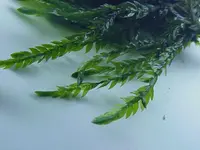
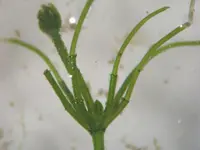
Its small, overlapping leaves are distinctly lobed and flattened in two rows along the stem, a growth form that increases surface area for gas exchange and water absorption in humid microsites.

Indicator of clean water

Because it is sensitive to drying and certain pollutants, this species frequently occurs in shaded ravines and near unpolluted streams, where its presence can indicate stable, cool, and moist local conditions.

Botan icon

Did you know?

Plagiochila porelloides has no true roots; instead, it anchors to rock, bark, or soil using fine rhizoids and absorbs water and dissolved nutrients directly across its leaf and stem surfaces, making it highly dependent on constant ambient humidity.

FAQs about Plagiochila porelloides

This liverwort usually performs better outdoors in cool, humid, shaded sites that mimic woodland conditions. Indoors it is difficult to keep humidity and airflow stable, so Plagiochila porelloides indoor care is considered challenging even for experienced growers.

Grow Healthy Plants with Botan Care

Keep your plants happy and healthy with plant identification, disease detection, and easy care guidance.

Botan plant care app — identify plants on mobile

Explore More Plants