Use acid-safe substrates
Mount colonies on inert, slightly acidic materials such as lava rock, slate, or fired clay granules to keep the cushions firm and reduce nutrient buildup over time.

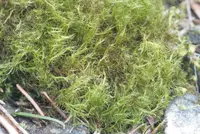
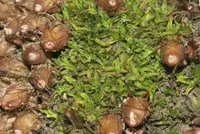
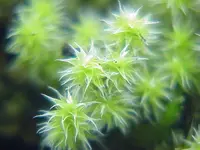
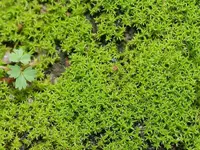
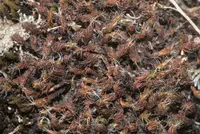
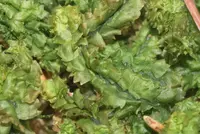
Ditirichum moss (Flexitrichum flexicaule) is a small, cushion-forming moss often found on soil, rock, or thin turf in cool and temperate regions. It forms dense, fine-textured mats that appear yellow-green to bright green when moist and can look duller when dry.
This species is common in parts of Europe and North America, especially in open, somewhat dry, and often nutrient-poor habitats. It is generally hardy and tolerant of cold, wind, and moderate dryness, which makes it relatively forgiving to grow.
For those learning how to care for ditrichum moss, its main needs are stable moisture, good air flow, and a free-draining, low-nutrient substrate with gentle, indirect light.

Care Difficulty
Moderate Care

Light Preference
Partial Shade

Water Requirements
Keep Soil Moist

Temperature Preference
Cold Hardy

Hardiness Zone
2–8

Soil Texture
Loamy, Rocky, Organic-rich

Soil pH
Acidic (5.5–6.5), Slightly acidic (6.5–7.0)

Soil Drainage
Moist but well-drained

Fertilization
Minimal (feed rarely)
Scan your plant to receive care tips personalized for your specific plant
Available on iOS and Android
Flexitrichum flexicaule thrives in bright, indirect light that mimics open, cool woodland or rocky habitats.
This moss prefers consistently moist but not waterlogged conditions that allow air to reach the rhizoids.
Stable, cool to mild temperatures support dense, healthy cushions of this moss.
This moss prefers consistently moist air but adapts to a range of humidity levels.
This species thrives on loose, moist, and well‑aerated substrates that mimic rocky or woodland surfaces.
This moss is suitable for shallow containers, trays, and terrarium-style dishes when moisture is controlled carefully.
Flexitrichum flexicaule has low nutrient needs and usually thrives without added fertilizer in naturalistic setups.
Flexitrichum flexicaule needs only light grooming to maintain a low, even moss carpet.
This moss is usually grown on rocks, soil surfaces, or wood, so management focuses on gentle transplanting rather than classic repotting.
Flexitrichum flexicaule is commonly propagated by division of existing cushions rather than from spores in home culture.
This moss is generally cold hardy in temperate climates and usually needs little special winter care outdoors.

Plant Health Check
Not sure what's wrong with your plant? Check your plant's health inside the app.
This moss has characteristically curved, sickle-shaped leaves that twist when dry and straighten when moist, an adaptation that helps reduce water loss and protects its photosynthetic tissues between rainfall events.
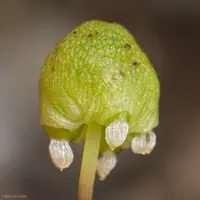
Its sporophytes (spore-bearing structures) develop on long, flexuous setae, or stalks, which can bend and sway in wind and rain, improving spore dispersal efficiency over rocky ground and open habitats.
In nature it often colonizes calcareous or base-rich rocks and thin soils in cool, open sites, making it a useful indicator of alkaline substrates and relatively clean, undisturbed environments.
Growth is slow to moderate. Small patches usually expand a few centimeters per year, faster in consistently cool, moist, low-competition sites. Dry, exposed, or frequently disturbed locations reduce spread and can cause thinning or dieback of outer fronds.
Keep your plants happy and healthy with plant identification, disease detection, and easy care guidance.