diphyscium moss Care (Diphyscium foliosum)

Also known as: Powder Gun Moss, Nut-moss
diphyscium moss

About diphyscium moss

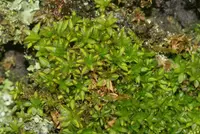
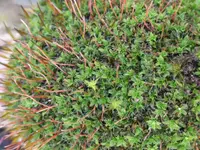
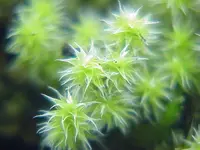
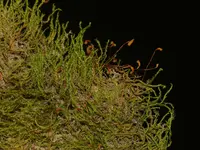
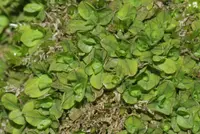
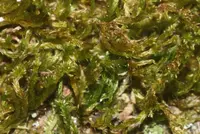
Diphyscium foliosum is a small, unusual moss that forms low, scattered tufts rather than dense carpets. It is sometimes called helmet moss because of its distinctive, upright capsules. The leaves are narrow and arranged closely along short stems, giving a fine, delicate texture. In nature, it typically occurs on shaded, moist soil or humus-rich rock in cool, temperate forests of the Northern Hemisphere. This species prefers stable moisture, good air flow, and soft, slightly acidic substrates, so it can be more demanding than common cushion or carpet mosses. Understanding how to care for diphyscium moss starts with providing consistent humidity, gentle light, and protection from drying winds or strong sun.

Main Plant Requirements

Care Difficulty

Hard Care

Light Preference

Shade

Water Requirements

Keep Soil Moist

Temperature Preference

Cool Climate

Hardiness Zone

5–8

Soil Texture

Loamy, Peaty, Organic-rich

Soil pH

Strongly acidic (4.5–5.5), Acidic (5.5–6.5)

Soil Drainage

Moist but well-drained

Fertilization

Minimal (feed rarely)

Get Personalized Care Plan

Scan your plant to receive care tips personalized for your specific plant

Available on iOS and Android

How to Care for the diphyscium moss

This moss prefers cool, shaded forest-like light conditions with brief, gentle sun exposure.

  • Provide bright shade or dappled light, such as under shrubs or trees, with at most 1–2 hours of weak morning sun and no direct afternoon sun to prevent frond scorch.
  • Site diphyscium moss on the north or east side of rocks, logs, or slopes, where light is filtered and humidity stays higher through the day.
  • In summer, shield from strong midday light; in winter, slightly more open exposure is acceptable if direct sun remains low-angle and short in duration.

This species thrives in consistently moist, never stagnant, conditions that mimic seepage slopes and humid forest floors.

  • Keep the substrate evenly damp at all times, allowing only the upper surface to lose its sheen before gently rewetting rather than waiting for any depth to dry.
  • Use a free-draining yet moisture-retentive medium on sloped or well-structured ground so excess water runs off, reducing the risk of rot and algae growth.
  • In warm, windy, or low-humidity periods, mist lightly or water more often, while in cool, rainy seasons rely mostly on natural moisture and avoid pooling around shoots.

This moss prefers cool to mild temperatures and does not tolerate extended heat or hard freezing well.

  • Aim for 45–65°F (7–18°C) for steady growth, with brief periods up to about 70°F (21°C) acceptable if humidity stays high and direct sun is limited.
  • Tolerate short dips near 32°F (0°C) if the moss is moist and shaded, but prolonged hard frost or freeze–thaw cycles can damage tissue and loosen the colony.
  • In hot spells above 75°F (24°C), increase shade and humidity and keep the substrate cool and moist to prevent desiccation and stress-related dieback.

This species prefers consistently moist air similar to a shaded forest floor.

  • Aim for 60–80% humidity, using a covered terrarium or enclosed tray setup to maintain stable moisture around the moss.
  • It tolerates short dry spells poorly; fronds shrivel and lose color when humidity drops below about 50% for long periods.
  • Increase humidity by using a tight‑fitting glass or plastic cover with small ventilation gaps rather than frequent misting, which can cause stagnant, overly wet surfaces for diphyscium moss.

Diphyscium foliosum prefers a moist, fine-textured, organic substrate that mimics decaying forest soil.

  • Use a mix of 60–70% milled sphagnum peat or fine coco peat with 30–40% fine sand or pumice to create a stable, moisture-retentive but not waterlogged base.
  • Aim for slightly acidic conditions, roughly pH 5.0–6.0, avoiding alkaline additives like lime, crushed shells, or concrete rubble.
  • Keep the substrate shallow and even, with no hard clumps; gently firm the surface so the tiny plants can anchor without being buried.
  • Avoid dense garden soil, heavy clay, or coarse bark pieces that break capillary water flow and create dry patches or stagnant wet pockets.

This moss is suitable for shallow containers, trays, and terraria when moisture and stability are controlled carefully.

  • Choose a broad, shallow container that allows a thin, even substrate layer so capillary moisture spreads uniformly across the surface.
  • Select inert, non-porous materials like glass or glazed ceramic to slow evaporation and support a consistently damp microclimate.
  • Raise the planting tray slightly above any water reservoir so only the substrate base, not the whole container, contacts standing water.

This moss has very low nutrient demand and usually grows best with minimal or no added fertilizer.

Pruning needs for Diphyscium foliosum are minimal and mainly cosmetic.

  • Carry out light grooming in spring or early summer, when growth is most active.
  • Pinch or gently trim away dead, browned, or decaying patches to limit mold and improve appearance.
  • Remove any debris, fallen leaves, or algae to maintain good air flow and stable moisture.
  • Use clean tweezers or small scissors and avoid cutting into healthy green cushions.

Transplanting is only needed when a patch must be moved or when a container colony declines.

  • Plan any transplanting for cool, moist weather in spring or early fall to reduce stress.
  • Move moss only when growth slows, the substrate compacts, or the colony becomes patchy or waterlogged.
  • Lift thin mats with a spatula or knife, keeping the underlying substrate attached to protect rhizoids.
  • Set pieces onto fresh, acidic, well-drained medium, press gently, water with soft water, and shade until reattached.

Diphyscium foliosum is usually propagated by division rather than by spores in home settings.

  • Divide small clumps in cool, moist conditions in spring or early fall, avoiding hot or very dry periods.
  • Lift mats gently with attached substrate, then tear or cut into small sections by hand or with a clean blade.
  • Press divisions firmly onto a moist, acidic medium and mist with soft, low-mineral water.
  • Maintain high humidity, good air flow, and low to medium light until new growth indicates establishment.

This moss is generally cold hardy in temperate climates and needs little special winter care outdoors.

  • In very cold regions, a light mulch of leaves around the substrate can buffer freeze–thaw cycles.
  • Keep containers slightly moist but not waterlogged, since saturated, frozen media can damage rhizoids.
  • If grown indoors, maintain cool conditions, stable moisture, and avoid warm, drying air from heaters.

Care Tips

Rock crevice planting

Tuck the moss into shallow rock crevices or between stable stones to mimic its natural habitat, which helps keep the rhizoids shaded, moist, and better anchored during heavy rain or watering.

Fine mist irrigation

Use a hand mister or very fine spray nozzle to wet the moss surface gradually rather than pouring water directly, which reduces mechanical damage to the delicate shoots and prevents substrate erosion.

Leaf litter mulching

Apply a very thin layer of finely crumbled, fully dried leaf litter around but not smothering the tufts to buffer moisture levels and provide a slow source of organic particles as the litter breaks down.

Regular colony thinning

Lift and gently divide dense patches every 1–2 years, replanting small sections to new shaded spots so air can circulate, which reduces mold risk and expands the colony more evenly when trying to grow Diphyscium foliosum.

Spore-safe cleaning

When removing debris, use soft tweezers or a fine brush and avoid wiping off developing capsules, since these spore structures are important for long-term population renewal when caring for diphyscium moss.

Common Pests and Diseases

Bryum competition

Symptoms include yellowing or thinning of Diphyscium cushions where fast-growing Bryum mosses overtop and shade them. This problem is most common in nutrient-enriched or slightly disturbed substrates.

Solution

Gently remove competing Bryum clumps with tweezers, keeping the rhizoids of Diphyscium intact, and reduce nutrient input by avoiding fertilizer and runoff from richer soils. Maintain a stable, low-nutrient, evenly moist substrate with moderate light so the slow-growing Diphyscium foliosum can gradually re-establish.

Moss mites

These insects are actually tiny arachnids that feed on moss tissue and microbial films, leading to patchy browning and a rough, grazed surface on the cushions. Damage is usually most visible in enclosed containers or very old colonies.

Solution

Increase air exchange and slightly lower humidity to discourage population build-up, then rinse the colony gently with distilled or rainwater to dislodge mites. In closed terrarium culture, temporarily open the container more often and remove heavily grazed tufts to reduce habitat and food sources.

Fungal overgrowth

This disease appears as whitish, gray, or occasionally dark fuzzy patches that spread over moist cushions and can smother young sporophytes. It is often triggered by stagnant air, constant saturation, and organic debris on the substrate.

Solution

Carefully trim and remove visibly colonized moss and any decaying organic material, then improve airflow and avoid continuous waterlogging. Use only clean, low-organic substrates and, in terrariums, reduce condensation on walls and provide brief drying intervals between mistings as part of practical diphyscium moss care instructions.

Algal film

This disease presents as a slick green coating that forms on the moss and substrate, blocking light and trapping excess moisture at the surface. Over time, the algal layer can slow Diphyscium growth and cause lower leaves to yellow and decay.

Solution

Reduce direct light intensity and dissolved nutrients by using low-mineral water and avoiding fertilizer or runoff, then gently swab or rinse away visible algal films. Increase intermittent airflow and allow the surface to dry slightly between irrigations so the moss stays moist but not continuously submerged.

Interesting Facts

Unusual capsule position

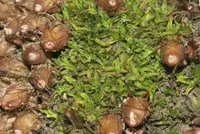
The sporophyte capsule of this species sits halfway along the stem rather than at the tip, a highly unusual position among mosses that helps distinguish it in the field.

Thick, leaflike calyptra

It has a conspicuously thick, leaflike calyptra (the hood covering young capsules) that persists longer than in many mosses and gives fertile shoots a distinctive swollen appearance.

Preference for mineral soils

This moss favors base-rich, often calcareous or mineral soils in shaded, moist forest sites and soil banks, making it a specialist of stable, undisturbed ground microhabitats rather than decaying wood.

Botan icon

Did you know?

This species is one of the few living representatives of the ancient moss order Diphysciales, which is considered relictual and evolutionarily isolated, so its morphology is important for understanding early diversification of moss lineages.

FAQs about diphyscium moss

Growth is slow. New clumps often expand only a few millimeters per year, even in good conditions. Stable moisture, cool temperatures, and undisturbed substrates are essential for growing diphyscium moss into a noticeable patch over several seasons.

Grow Healthy Plants with Botan Care

Keep your plants happy and healthy with plant identification, disease detection, and easy care guidance.

Botan plant care app — identify plants on mobile

Explore More Plants